How Sustainable Packaging is Changing Business
In recent years, sustainability has evolved from a corporate buzzword into a business necessity.
Consumers, investors, and governments are increasingly demanding environmentally responsible practices, and one area receiving significant attention is packaging. Sustainable packaging is transforming how businesses operate, helping companies reduce environmental impact while improving brand reputation and operational efficiency.
What is Sustainable Packaging?
Sustainable packaging refers to packaging solutions designed to minimize environmental impact throughout their lifecycle. These materials are often recyclable, biodegradable, compostable, reusable, or made from renewable resources. The goal is to reduce waste, conserve natural resources, and lower carbon emissions.
Examples include recycled paper packaging, biodegradable plastics, compostable containers, and reusable shipping materials.
Why Businesses Are Embracing Sustainable Packaging
Growing Consumer Demand
Modern consumers are more environmentally conscious than ever. Many buyers actively seek products packaged in eco-friendly materials and are willing to support brands that prioritize sustainability. Businesses adopting sustainable packaging can attract environmentally aware customers and strengthen customer loyalty.
Enhanced Brand Reputation
A company's commitment to sustainability can significantly influence public perception. Sustainable packaging demonstrates corporate responsibility and environmental awareness, helping businesses build trust and differentiate themselves from competitors.
Regulatory Compliance
Governments worldwide are implementing stricter regulations regarding packaging waste, plastic use, and recycling requirements. Sustainable packaging helps businesses stay ahead of evolving regulations and avoid potential penalties.
Cost Savings Over Time
Although the initial transition to sustainable packaging may require investment, businesses often experience long-term savings through reduced material usage, lower shipping costs, and improved supply chain efficiency. Lightweight and optimized packaging can decrease transportation expenses and reduce overall operational costs.
Key Benefits of Sustainable Packaging
Reduced Environmental Impact
Sustainable packaging minimizes waste generation, reduces landfill contributions, and lowers greenhouse gas emissions. Using renewable or recycled materials conserves natural resources and supports environmental preservation efforts.
Improved Customer Experience
Consumers increasingly appreciate brands that align with their values. Eco-friendly packaging often enhances customer satisfaction and creates positive purchasing experiences, encouraging repeat business.
Competitive Advantage
As sustainability becomes a major purchasing factor, companies that invest in environmentally responsible packaging gain a competitive edge. Sustainable practices can help businesses stand out in crowded markets.
Support for ESG Goals
Environmental, Social, and Governance (ESG) initiatives are becoming critical for businesses seeking investment and stakeholder trust. Sustainable packaging directly supports environmental objectives and demonstrates commitment to responsible business practices.
Emerging Trends in Sustainable Packaging
Biodegradable and Compostable Materials
Businesses are increasingly replacing traditional plastics with biodegradable alternatives derived from plant-based materials. These solutions break down naturally and reduce environmental pollution.
Recyclable Packaging Design
Companies are redesigning packaging to improve recyclability, making it easier for consumers to dispose of materials responsibly.
Minimalist Packaging
Brands are reducing excess packaging and focusing on simple, efficient designs that use fewer materials while maintaining product protection.
Reusable Packaging Systems
Many businesses are exploring reusable packaging models that encourage customers to return containers for cleaning and reuse, supporting circular economy principles.
Smart Packaging Technologies
Innovative packaging solutions now incorporate digital tracking, QR codes, and sustainability information to enhance transparency and customer engagement.
Challenges Businesses Face
Despite its benefits, sustainable packaging adoption can present challenges. Companies may encounter higher initial costs, limited material availability, supply chain adjustments, and the need for consumer education. However, ongoing innovation and increasing demand are helping overcome these obstacles.
The Future of Sustainable Packaging
The future of packaging is increasingly sustainable. Advances in material science, growing environmental awareness, and stronger regulatory frameworks will continue driving innovation. Businesses that invest in sustainable packaging today are positioning themselves for long-term success in a market that increasingly values environmental responsibility.
Conclusion
Sustainable packaging is no longer simply an environmental initiative—it has become a strategic business advantage. By reducing waste, meeting consumer expectations, improving brand reputation, and supporting long-term growth, sustainable packaging is reshaping industries across the globe. Companies that embrace sustainable packaging solutions today will be better prepared to meet future market demands while contributing to a more sustainable world.

Related Post...

Construction Earthmoving Equipment Explained: Types, Uses, Practical Knowledge, and Insights
Updated: September 26, 2026
Read More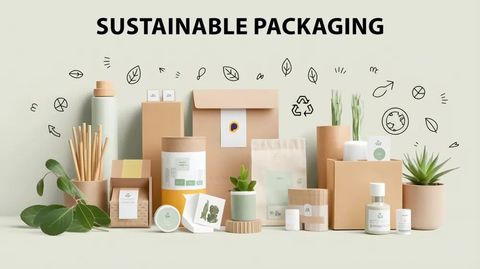

Mezzanine Floor Explained: Discover Important Information, Helpful Resources, and Design Knowledge
Updated: September 24, 2026
Read More