How Automation Systems Transform Modern Industrial Operations
Automation systems are changing how modern industries manage production, machinery, quality control and daily operations. These systems combine machines, sensors, software and industrial control technologies to perform tasks with limited manual intervention.
Today, manufacturers use industrial automation systems to improve production consistency, monitor equipment performance, manage resources and coordinate complex processes. From automotive assembly lines to pharmaceutical manufacturing facilities, automation has become an important part of modern industrial operations.
Understanding how automation works, which technologies are involved and how businesses select suitable equipment can help manufacturers make informed decisions about industrial development.
1. What Are Industrial Automation Systems?
Industrial automation systems use electronic controls, mechanical equipment and computer-based technologies to manage industrial processes.
A typical factory automation system may include:
Programmable logic controllers (PLCs)
Supervisory control and data acquisition (SCADA)
Human-machine interface (HMI) panels
Industrial sensors and actuators
Robotic equipment
Industrial communication networks
Manufacturing execution systems (MES)
These components work together to collect information, control machinery and provide operators with visibility into production activities.
For example, an automated packaging line can detect product movement through sensors, control conveyor speed through programmed logic and use robotic equipment for sorting or palletizing.
2. Why Automation Matters in Modern Manufacturing
Manufacturing operations involve several connected activities, including material handling, machine operation, inspection, packaging and inventory management. Managing these processes manually can create coordination challenges.
Industrial automation helps address these challenges through structured control and monitoring.
Improved Production Consistency
Automated machinery follows programmed instructions, helping manufacturers maintain repeatable production processes. This is particularly useful in industries where product dimensions, filling levels or assembly sequences must remain consistent.
Better Equipment Monitoring
Industrial sensors can collect information about temperature, vibration, pressure and machine operating conditions. Operators can use this information to identify unusual patterns and investigate potential equipment problems.
More Efficient Resource Management
Automated control systems can coordinate machine operations, production schedules and material movement. This can help reduce unnecessary machine operation and improve the use of available resources.
Workplace Safety
Automation can support tasks involving repetitive movement, heavy material handling or hazardous operating environments. However, industrial robots and automated equipment still require appropriate guarding, emergency stops, risk assessments and trained supervision.
3. Major Types of Industrial Automation Systems
Different manufacturing environments require different automation technologies. The correct system depends on production volume, process complexity, equipment compatibility and operational requirements.
Programmable Logic Controller (PLC)
A programmable logic controller is an industrial computer designed to control machines and production processes.
PLC automation systems are commonly used in:
Conveyor belt operations
Packaging machinery
Assembly lines
Material handling equipment
Industrial motor control
A PLC receives information from input devices, processes programmed instructions and controls connected output devices.
Supervisory Control and Data Acquisition (SCADA)
SCADA systems allow operators to monitor and control industrial processes from centralized interfaces.
They are used in manufacturing plants, water treatment facilities, energy infrastructure and other process industries.
SCADA software can display equipment conditions, alarms, operating trends and historical process information. This helps operators understand what is happening across different parts of an industrial facility.
Distributed Control Systems (DCS)
A distributed control system manages complex and continuous industrial processes through multiple interconnected controllers.
DCS technology is commonly associated with chemical processing, power generation, oil and gas operations and large manufacturing facilities.
Manufacturing Execution Systems (MES)
Manufacturing execution systems connect production activities with business and planning processes.
An MES platform may support:
Production scheduling and tracking
Quality management records
Material traceability
Machine performance monitoring
Production reporting
MES software can also exchange information with enterprise resource planning systems.
Industrial Robotics and Automated Material Handling
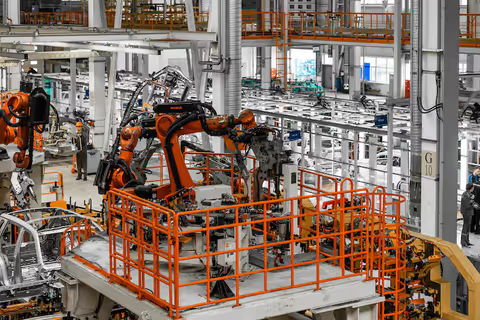
Industrial robots perform tasks such as welding, painting, assembly, inspection and packaging. Automated guided vehicles and autonomous mobile robots can support material transportation within factories and warehouses.
These technologies are increasingly used where repetitive movement, accurate positioning or coordinated material flow is important.
4. How Automation Systems Transform Industrial Operations
Modern industrial automation connects equipment, software and operational information into a more coordinated production environment.
Real-Time Production Monitoring
Connected sensors and industrial control systems provide information about machine status and process conditions. Production teams can use dashboards to monitor operating performance and identify issues requiring attention.
Predictive Maintenance
Predictive maintenance uses equipment data, condition monitoring and analytical methods to identify patterns that may indicate developing faults.
For example, unusual vibration readings from an industrial motor may indicate a mechanical issue that requires inspection. Predictive maintenance does not eliminate equipment failures, but it can support more informed maintenance planning.
Automated Quality Inspection
Machine vision systems use cameras and image-processing software to inspect products for visible defects, incorrect positioning or dimensional differences.
These systems can support quality checks in electronics, automotive components, food packaging and other manufacturing applications.
Connected Smart Factories
Smart manufacturing combines industrial automation, Industrial Internet of Things (IIoT), data analytics and connected production equipment.
This approach allows information to move between machines, production software and management systems. It can improve operational visibility and support data-based decisions.
5. Industrial Automation Equipment and Software Selection
Selecting industrial automation equipment requires an understanding of the production environment and the intended application.
Manufacturers should evaluate several factors before selecting a system.
Production requirements: Identify the processes that need automation, including machine operation, packaging, inspection or material handling.
Compatibility: Check whether new PLCs, sensors, drives and software can communicate with existing equipment.
System scalability: Consider whether the automation architecture can support additional machines, production lines or monitoring functions later.
Maintenance requirements: Review spare-part availability, technical documentation, software updates and maintenance support.
Safety and cybersecurity: Evaluate machine safety, access controls, network protection and procedures for responding to system faults.
Industrial automation engineering companies and system integrators may help with system design, programming, installation and commissioning. Businesses should compare technical capabilities, project scope and ongoing support arrangements before making a decision.
6. Industrial Automation Trends
Industrial automation continues to develop as manufacturers adopt connected technologies and more advanced software platforms.
Artificial Intelligence in Manufacturing
Artificial intelligence can help analyze production information, identify unusual operating patterns and support quality inspection. Its usefulness depends on data quality, system integration and appropriate human oversight.
Industrial Internet of Things
IIoT connects industrial machines, sensors and software platforms. It can provide information about equipment performance, energy consumption and production conditions.
Digital Twin Technology
Digital twins are virtual representations of physical equipment, processes or facilities. Manufacturers can use them to study operating conditions, test scenarios and support maintenance planning.
Collaborative Robots
Collaborative robots, also known as cobots, are designed for certain applications where people and robotic equipment work in shared environments. Their use requires suitable risk assessment and safety measures.
Industrial Cybersecurity
As factories connect more equipment to networks, protecting operational technology becomes increasingly important. Access controls, network segmentation, security updates and monitoring are important parts of industrial cybersecurity planning.
7. Applications Across Different Industries
Automation systems are used in many industrial sectors.
Automotive: Robotic welding, assembly, painting and quality inspection.
Pharmaceuticals: Process monitoring, packaging automation and production records.
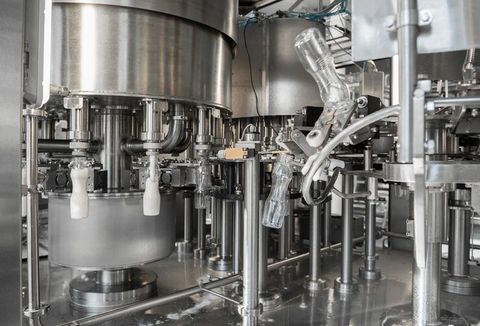
Food and beverage: Filling, labeling, sorting and packaging operations.
Chemical manufacturing: Process control, temperature monitoring and safety systems.
Electronics: Component placement, inspection and precision assembly.
Warehousing: Conveyor automation, robotic picking and automated material transportation.
The requirements vary by industry, so automation systems must be designed around the relevant production process, safety standards and operating conditions.
8. Benefits and Challenges of Industrial Automation
Industrial automation can provide several operational advantages, but implementation also involves practical challenges.
Potential benefits include:
More consistent production processes
Better machine monitoring
Improved production visibility
Reduced repetitive manual activities
More structured maintenance planning
Better coordination between production stages
Common challenges include:
Initial equipment and integration investment
Employee training requirements
Compatibility with older machinery
Cybersecurity risks
Maintenance and software support
Production disruption during installation
A phased implementation can help businesses assess system performance before expanding automation across an entire facility.
Frequently Asked Questions
1. What are industrial automation systems?
Industrial automation systems combine controllers, sensors, machinery and software to monitor and control manufacturing or industrial processes.
2. What is the difference between PLC and SCADA?
A PLC directly controls machines and processes using programmed logic. SCADA provides centralized monitoring, visualization and supervisory control across industrial equipment.
3. Which industries use factory automation solutions?
Automotive, pharmaceutical, chemical, food processing, electronics, energy and warehousing industries commonly use factory automation solutions.
4. What is an industrial control system?
An industrial control system is a combination of hardware and software used to regulate industrial equipment and processes. PLC, SCADA and DCS technologies are common examples.
5. How does predictive maintenance support manufacturing?
Predictive maintenance analyzes equipment condition information to identify possible faults and help maintenance teams plan inspections and repairs.
6. What is a manufacturing execution system?
A manufacturing execution system is software that monitors and manages production activities, including scheduling, quality records, material tracking and operational reporting.
7. What is smart factory automation?
Smart factory automation combines connected machines, industrial software, sensors and data analytics to improve production monitoring and coordination.
8. How should a business select an automation system?
A business should assess its production needs, equipment compatibility, safety requirements, scalability, maintenance arrangements and integration capabilities.
Conclusion
Automation systems are transforming modern industrial operations by connecting machinery, control technologies and manufacturing software. PLCs, SCADA, DCS, MES, industrial robotics and IIoT technologies each contribute to different parts of production management.
As smart manufacturing develops, businesses are increasingly considering connected equipment, predictive maintenance, machine vision and digital monitoring. Successful implementation depends on selecting suitable technologies, maintaining industrial safety and ensuring that employees understand how to operate and manage automated processes.
A clear understanding of automation technologies helps manufacturers evaluate available options and plan practical improvements to their industrial operations.

Related Post...