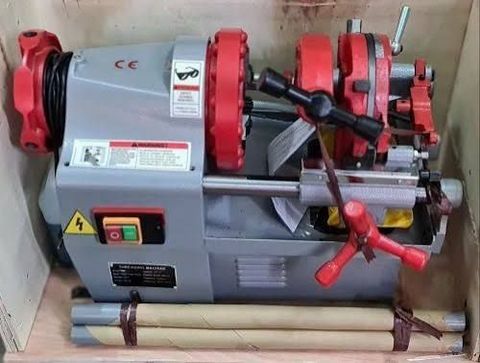
Guide to Choosing the Best Pipe Threading Machines
Pipe threading machines cut precise external threads on pipes and fittings so they can be joined with couplings, valves, or other components.
Pipe threading machines cut precise external threads on pipes and fittings so they can be joined with couplings, valves, or other components. They are essential tools for plumbers, mechanical contractors, industrial fabricators, and maintenance teams working with steel, stainless steel, and other metal pipes. Selecting the right machine depends on pipe sizes, daily volume, jobsite conditions, power availability, and budget. This guide covers the main types of pipe threading machines, key selection criteria, important features, and practical advice to help you choose the best option for your work.
Types of Pipe Threading Machines
Understanding the main categories is the first step in matching a machine to your needs.
Manual (Hand) Threaders
These use a ratchet handle and die head that the operator turns by hand. They are inexpensive, require no power, and work well for occasional small-diameter threading (typically up to 2 inches) in tight spaces or remote locations. They demand physical effort and are slower, making them best for light service or repair work rather than high-volume production.
Portable Power Drives and Compact Threaders
Electric or cordless power drives clamp onto the pipe or mount in a vice and rotate the die head. Compact threading machines combine a motor, chuck, and die head in a relatively portable package. These are popular with service plumbers and contractors who need mobility. They significantly reduce labor compared with pure manual tools and commonly handle pipe up to 2 inches (some models go larger).
Stationary / Bench or Floor-Mounted Machines
Heavier-duty machines designed for shop or high-production use. They offer greater capacity (often ½ inch to 4 inches or more), higher power, better stability, built-in oiling systems, and faster cycle times. Some industrial models include rotating die heads, variable speed, cut-off, beveling, or grooving capabilities. These suit fabrication shops, commercial contractors, and operations with consistent high volume.
Specialized and Industrial Production Machines
Larger or automated systems for continuous production, large-diameter pipe, bolt threading, or specialized processes (Victaulic grooving, high-volume nipple production). These prioritize throughput, durability, and additional functions beyond basic threading.
Key Factors When Choosing a Machine
Pipe Capacity and Size Range
Identify the largest pipe diameter you regularly thread and the most common sizes. A machine rated for 2-inch pipe covers the majority of plumbing and light commercial work. Larger capacity (3–4 inches or more) is needed for fire protection, process piping, or industrial applications. Avoid oversizing if you rarely need the extra capacity, as it adds cost, weight, and power requirements.
Production Volume and Speed
Estimate threads per day. Low volume (occasional or service work) can be handled by manual or portable power tools. Higher daily counts justify a dedicated stationary or high-production machine that reduces labor time per thread. Look at spindle speed, whether the machine offers quick die changes, and overall cycle time.
Power Source and Jobsite Conditions
Consider available power: 120 V or 230 V electric, cordless battery systems for remote sites, or hydraulic options. Portability matters for field work—weight, size, and whether one person can move the machine. Shop-based operations can prioritize stability and capacity over mobility.
Material Compatibility
Most machines handle black steel and galvanized pipe. Stainless steel and harder alloys require appropriate high-speed steel or carbide dies and consistent lubrication. Confirm the machine and dies are suitable for the materials you process most often.
Die Heads, Chasers, and Thread Standards
Ensure the machine accepts commonly available die heads and chasers for the thread forms you need (NPT, BSPT, or others). Quick-change or self-opening die heads improve productivity. Availability of replacement cutters and compatibility with your existing tooling reduce long-term costs.
Important Features to Evaluate
- Motor power and torque: Adequate continuous power prevents stalling on larger or heavier-wall pipe.
- Speed control: Variable speed allows optimization for different sizes and materials.
- Oiling / lubrication system: Automatic or reliable oil delivery extends die life and improves thread quality. Proper cutting oil is essential.
- Chuck and gripping system: Secure, easy-to-use chucks or vises that minimize pipe marking.
- Safety features: Guards, foot switches or controls that keep hands clear, and stable mounting.
- Additional functions: Some machines cut, ream, bevel, or groove in addition to threading, increasing versatility.
- Durability and service support: Robust construction, readily available parts, and manufacturer or distributor support.
Matching the Machine to Your Work
- Service plumbers and light field work: Portable power drives or compact electric/cordless threaders offer the best balance of mobility and speed.
- Commercial contractors and moderate production: Compact or mid-size stationary machines (commonly up to 2-inch capacity) provide good productivity with manageable size.
- Fabrication shops and high-volume operations: Heavier stationary or industrial machines with higher capacity, faster cycles, and extra features deliver the best long-term efficiency.
- Occasional or very light use: Quality manual ratchet threaders remain a cost-effective choice.
Also factor in total cost of ownership—initial price, dies and oil, maintenance, and labor savings—rather than purchase price alone.
Practical Buying Tips
Test or demonstrate machines when possible. Check warranty terms and local service availability. Confirm that dies and accessories for your common sizes are stocked and reasonably priced. Train operators on proper die selection, oil use, and technique to maximize thread quality and tool life. Maintain the machine according to the manufacturer’s schedule, especially cleaning and oiling systems.
Choosing the best pipe threading machine requires matching capacity, power source, portability, and production features to your typical pipe sizes, daily volume, and working environment. Manual tools suit light occasional work, portable power drives and compact machines serve most field and service needs, and stationary or industrial models excel in higher-volume shop or production settings. Prioritize the largest regular pipe size, material requirements, die availability, and reliable lubrication, then select the machine that delivers the right balance of speed, durability, and total cost for your operations. A well-chosen threader improves productivity, thread quality, and long-term value on every job.

Related Post...