Green Hydrogen Production Equipment Insights: Improving Energy Efficiency and Sustainable Hydrogen Production
Green hydrogen production equipment refers to the machinery, control technologies, and integrated systems used to produce hydrogen through water electrolysis powered by renewable electricity.
Unlike hydrogen produced from fossil fuels, green hydrogen is generated using renewable energy sources such as solar, wind, or hydropower to supply electricity for the electrolysis process.
Modern green hydrogen production systems combine electrolysis units, water treatment equipment, power management technologies, hydrogen compression units, storage systems, monitoring software, and safety controls into coordinated industrial facilities. These technologies are increasingly used in energy, transportation, manufacturing, chemical processing, and research applications.
Hydrogen production equipment continues to evolve alongside renewable energy technologies. Industrial hydrogen generation systems now incorporate advanced automation, industrial hydrogen purification systems, and AI-powered hydrogen production systems that help monitor plant operations and optimize equipment performance. Many large facilities also use turnkey green hydrogen plant solutions that integrate multiple processing stages into a unified production environment.
How Green Hydrogen Technology Developed
Hydrogen has been used in industrial applications for many decades. Traditional hydrogen production methods often relied on fossil fuel feedstocks, while electrolysis has existed as a scientific process for more than a century.
Growing interest in renewable energy has encouraged wider development of electrolysis technologies powered by low-carbon electricity. Improvements in electrolyzers, digital controls, materials science, and renewable energy integration have expanded the capabilities of modern hydrogen production systems.
Main Components of a Hydrogen Production Facility
A typical green hydrogen production facility includes several interconnected technologies.
Common components include:
- Electrolyzers
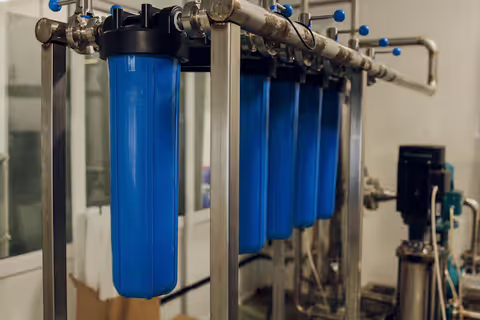
- Water purification equipment
- Renewable power integration systems
- Hydrogen compressors
- Hydrogen storage tanks
- Industrial hydrogen purification systems
- Process control software
- Safety monitoring equipment
- Cooling systems
- Distribution pipelines
Each component supports a different stage of hydrogen production and handling.
Importance
Supporting Energy Transition
Green hydrogen production equipment contributes to broader efforts aimed at diversifying energy sources and reducing dependence on fossil fuels in selected industrial sectors.
Hydrogen can be used in manufacturing processes, energy storage applications, transportation technologies, and research activities where suitable infrastructure is available.
Integrating Renewable Energy
Renewable electricity production can vary depending on weather conditions and energy demand. Green hydrogen production systems provide one approach for converting renewable electricity into hydrogen that may later be used in various industrial applications.
This flexibility supports the integration of renewable energy into larger energy systems.
Supporting Industrial Applications
Industrial hydrogen generation systems are used in sectors such as:
- Chemical manufacturing
- Metal processing
- Petroleum refining
- Glass manufacturing
- Electronics production
- Research laboratories
- Energy storage projects
Each application uses hydrogen according to specific industrial requirements.
Encouraging Technological Innovation
Hydrogen production technologies continue advancing through research in electrolyzer design, catalyst materials, membrane technology, digital monitoring, and process optimization.
These developments contribute to improved operational efficiency and equipment reliability.
Expanding Digital Operations
Modern hydrogen plant equipment increasingly incorporates digital monitoring platforms, remote diagnostics, and automated process controls.
These technologies help operators monitor equipment conditions while supporting consistent production processes.
Major Types of Hydrogen Production Equipment
Electrolyzers
Electrolyzers split water into hydrogen and oxygen using electricity.
Common electrolyzer technologies include:
- Alkaline electrolyzers
- Proton exchange membrane electrolyzers
- Solid oxide electrolyzers
Each technology has different operating characteristics and industrial applications.
Industrial Hydrogen Purification Systems
Industrial hydrogen purification systems remove moisture and other impurities from hydrogen produced during electrolysis.
Purification processes help achieve hydrogen quality suitable for different industrial uses.
Hydrogen Compression Equipment
Hydrogen compressors increase gas pressure for storage, transportation, or industrial processing.
Compression systems are designed according to applicable engineering and safety standards.
Hydrogen Storage Systems
Storage equipment includes pressure vessels, pipelines, monitoring devices, and associated safety systems used to manage hydrogen after production.
Storage methods vary according to facility design and intended application.
AI-Powered Hydrogen Production Systems
AI-powered hydrogen production systems analyze operational data collected from sensors, electrolyzers, compressors, and supporting equipment.
Artificial intelligence assists operators by identifying operational patterns, organizing maintenance information, and supporting process optimization while human oversight remains essential.
Comparison of Hydrogen Production Equipment
| Equipment Type | Primary Function | Typical Application |
|---|---|---|
| Electrolyzers | Produce hydrogen through electrolysis | Hydrogen generation |
| Water purification equipment | Prepare water for electrolysis | Process preparation |
| Industrial hydrogen purification systems | Improve hydrogen purity | Industrial processing |
| Hydrogen compressors | Increase gas pressure | Storage and transport |
| Hydrogen storage systems | Store produced hydrogen | Industrial facilities |
| AI-powered hydrogen production systems | Monitor and analyze operations | Digital plant management |
Each equipment category contributes to a complete hydrogen production process.
Recent Updates
Improved Electrolyzer Technology
Between 2024 and 2026, research has continued improving electrolyzer efficiency, durability, and operational flexibility.
Advances in catalyst materials and membrane technologies have contributed to ongoing development across multiple electrolyzer designs.
Artificial Intelligence Integration
AI-powered hydrogen production systems are increasingly used to analyze operational data, monitor equipment conditions, and assist with predictive maintenance planning.
Artificial intelligence supports plant operators by organizing information rather than replacing engineering decision-making.
Renewable Energy Integration
Green hydrogen production systems increasingly integrate directly with solar farms, wind facilities, and other renewable electricity sources.
Advanced energy management software helps coordinate electricity availability with hydrogen production schedules.
Digital Plant Monitoring
Hydrogen plant equipment now commonly includes connected sensors, cloud-based dashboards, and automated reporting systems.
Digital monitoring supports continuous observation of operating conditions and equipment performance.
Modular Plant Design
Many industrial facilities are adopting modular equipment configurations that allow production capacity to be expanded by adding additional electrolysis modules and supporting equipment.
This approach provides flexibility for future facility development.
Laws or Policies
Hydrogen Safety Regulations
Many countries establish regulations governing hydrogen production, storage, transportation, and industrial handling.
These regulations address facility design, emergency planning, equipment inspection, and operational safety.
Environmental Policies
Green hydrogen projects are often influenced by environmental policies that encourage renewable energy development, emissions reduction, and sustainable industrial practices.
Policy approaches differ among countries and regions.
Industrial Safety Standards
Hydrogen production facilities commonly follow engineering standards covering pressure equipment, electrical systems, gas detection, ventilation, and hazardous area classification.
These standards support safe facility operation.
Renewable Energy Programs
Many governments have introduced renewable energy initiatives that encourage research, infrastructure development, and industrial innovation related to hydrogen technologies.
These initiatives contribute to continued advancement within the hydrogen sector.
Quality and Technical Standards
Hydrogen production equipment is commonly designed according to recognized engineering and quality standards addressing manufacturing, testing, documentation, and operational performance.
These standards support consistency across industrial facilities.
Tools and Resources
Several educational resources help engineers, researchers, students, and industry professionals understand hydrogen technologies.
Useful resources include:
- International hydrogen organizations
- Renewable energy research publications
- Electrolysis technology reference manuals
- Engineering standards documentation
- Government energy portals
- Scientific journals on hydrogen technologies
- Industrial safety guidance documents
- Process engineering textbooks
- Energy system modeling software
- Environmental research publications
These resources explain hydrogen production methods, renewable energy integration, equipment design, and industrial safety practices.
FAQs
What is green hydrogen production equipment?
Green hydrogen production equipment includes electrolyzers, water treatment units, compressors, storage equipment, and control systems used to produce hydrogen using renewable electricity.
How do green hydrogen production systems work?
Green hydrogen production systems use electricity from renewable energy sources to power electrolyzers that separate water into hydrogen and oxygen through electrolysis.
What are industrial hydrogen purification systems?
Industrial hydrogen purification systems remove moisture and other impurities from hydrogen after production, preparing it for different industrial applications.
What are AI-powered hydrogen production systems?
AI-powered hydrogen production systems use artificial intelligence to analyze operational information, monitor equipment performance, and assist with process management inside hydrogen production facilities.
What is included in turnkey green hydrogen plant solutions?
Turnkey green hydrogen plant solutions generally combine electrolysis equipment, water treatment systems, hydrogen purification, compression equipment, storage technologies, digital controls, and supporting infrastructure into an integrated production facility.
Conclusion
Green hydrogen production equipment plays an increasingly important role in renewable energy and industrial technology by supporting hydrogen generation through water electrolysis. Green hydrogen production systems, industrial hydrogen generation systems, hydrogen plant equipment, industrial hydrogen purification systems, and AI-powered hydrogen production systems demonstrate how engineering, automation, and renewable energy continue to evolve together. Ongoing advances in electrolyzer technology, digital monitoring, renewable energy integration, and modular plant design continue shaping modern hydrogen production facilities. Understanding these technologies provides valuable insight into the development of future energy infrastructure.

Related Post...

AI Document Processing: A Guide to Intelligent Document Automation
Updated: September 03, 2026
Read More

Clean Room Equipment Overview: Features, Standards, and Industry Applications
Updated: October 09, 2026
Read More