Fire Damage Restoration Guide: Smoke Removal & Property Recovery
Fire damage restoration is the process of assessing and recovering a property after a fire, including damage caused by flames, smoke, soot, heat, and water used during firefighting.
Fire can affect structural components, electrical systems, roofing, flooring, walls, ceilings, insulation, furniture, documents, and personal belongings. Smoke and soot can also spread beyond the areas directly affected by flames.
A restoration plan generally begins with a safety assessment and documentation of visible damage. The property may then require stabilization, debris removal, smoke and soot cleaning, drying, odor management, repairs, and reconstruction.
Common restoration stages include:
- Property safety assessment
- Structural damage evaluation
- Fire and smoke damage documentation
- Water extraction and drying
- Soot and residue removal
- Odor management
- Damaged-material removal
- Cleaning and contents assessment
- Structural repairs
- Final restoration review
The appropriate procedure depends on the severity of the fire, the materials affected, the presence of water damage, and whether the property can safely be entered.
Importance
Fire damage can continue affecting a property after flames have been extinguished. Smoke residue may settle on walls, ceilings, furnishings, and equipment, while water from firefighting activities can create additional moisture-related problems.
The National Fire Protection Association (NFPA) explains that smoke and soot can cause damage to materials and contents and that prompt action following a fire can be important for limiting further damage. (nfpa.org)
Fire damage assessment should distinguish between different types of damage rather than treating the property as a single affected area.
| Damage area | Typical concern |
|---|---|
| Structural components | Heat, flame, or water-related damage |
| Smoke and soot | Residue, staining, and odor |
| Electrical systems | Heat, smoke, or water exposure |
| Plumbing | Heat or firefighting-related damage |
| Contents | Smoke, soot, heat, and water exposure |
| Flooring | Burning, staining, moisture, or structural damage |
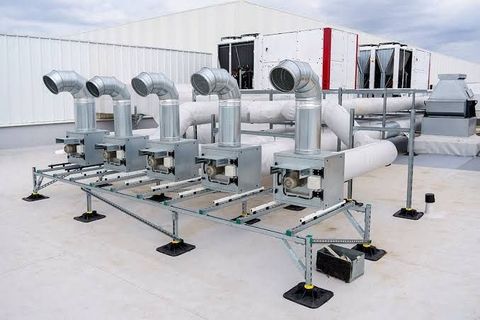
| HVAC systems | Smoke and particulate distribution |
| Indoor air | Smoke particles and odor |
| Documents | Heat, smoke, and water exposure |
Smoke can travel through ventilation systems and openings, meaning areas that appear visually unaffected may still require evaluation.
Fire damage can also create health and safety concerns. Burned materials may produce hazardous residues, while unstable structures and damaged electrical systems can present physical risks.
Recent Updates
Fire restoration practices continue to evolve through improved structural assessment, indoor-air monitoring, digital documentation, cleaning technology, and building-resilience research.
One important development is the increasing use of digital property documentation. Photographs, videos, floor plans, moisture measurements, and itemized inventories can help establish the condition of a property before restoration work progresses.
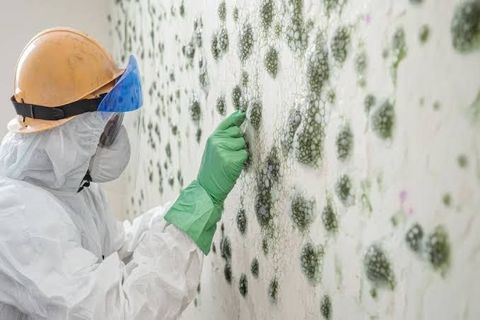
Moisture management remains particularly important after firefighting. Wet building materials can create conditions favorable to microbial growth if they are not appropriately dried.
The Environmental Protection Agency (EPA) recommends prompt drying following water intrusion and provides guidance on preventing and addressing mold growth in buildings. (epa.gov)
Another important area is wildfire resilience. FEMA continues to publish building-science guidance addressing wildfire-resistant construction, smoke impacts, post-fire recovery, and mitigation. (fema.gov)
Modern restoration assessments may incorporate:
- Moisture meters
- Thermal imaging
- Air-quality monitoring
- HEPA filtration
- Digital inventories
- Odor-control technology
- HVAC inspection
- Structural measurement
- Digital project documentation
The technology used should correspond to the type and severity of damage. No single instrument can determine whether a fire-damaged building is safe for occupancy.
Laws or Policies
Fire damage restoration can involve building codes, fire-safety requirements, environmental regulations, occupational-safety rules, insurance procedures, and local permitting requirements.
In the United States, the Occupational Safety and Health Administration (OSHA) establishes workplace-safety requirements that may apply to workers involved in cleanup and restoration activities. Depending on the circumstances, requirements concerning personal protective equipment, respiratory protection, hazard communication, electrical safety, and other workplace hazards may apply. (osha.gov)
Building departments may require permits for structural repairs, electrical work, plumbing changes, roofing, reconstruction, or other significant modifications following a fire.
The International Code Council's model codes include provisions relevant to building construction, fire protection, structural safety, and reconstruction. Local jurisdictions determine which codes and amendments apply. (iccsafe.org)
Insurance policies may also establish documentation and claims procedures. Property owners may need photographs, inventories, reports, receipts, repair documentation, and other records.
For properties affected by wildfire or other disasters, FEMA provides recovery and mitigation information that can help property owners understand resilience and rebuilding considerations. (fema.gov)
Because requirements vary, restoration work should follow applicable local building regulations, safety requirements, and insurance procedures.
Tools and Resources
Several tools can support fire damage assessment and restoration planning.
Moisture meters: These can help identify moisture remaining in certain building materials after firefighting or water intrusion.
Thermal imaging cameras: Infrared imaging can help identify temperature differences that may warrant further inspection, although interpretation requires appropriate expertise.
HEPA filtration equipment: Appropriately configured filtration systems can help reduce airborne particulate matter during certain cleanup activities.
Air-quality monitors: Monitoring equipment can measure selected indoor environmental parameters. Such measurements do not independently establish that a fire-damaged building is safe.
Digital inventory tools: Photographs, spreadsheets, and inventory applications can help document damaged contents and property conditions.
EPA resources: The EPA provides information about indoor air quality, smoke, moisture, and mold-related concerns. (epa.gov)
FEMA resources: FEMA provides disaster-recovery and building-science information covering fire and other hazards. (fema.gov)
Useful restoration records can include:
- Pre-restoration photographs
- Fire department reports
- Insurance documentation
- Damaged-property inventories
- Moisture readings
- Structural inspection reports
- Cleaning records
- Equipment logs
- Repair documentation
- Permit records
- Final inspection information
FAQs
What is fire damage restoration?
Fire damage restoration involves assessing and recovering a property after fire exposure. It can include structural assessment, smoke and soot removal, water drying, odor management, cleaning, damaged-material removal, repairs, and reconstruction.
How does smoke damage affect a property?
Smoke can deposit soot and chemical residues on surfaces and contents. It can also travel through HVAC systems and other pathways, potentially affecting areas away from the location of the flames.
Can water damage occur after a fire?
Yes. Firefighting activities can introduce significant amounts of water into a building. This water can affect walls, flooring, insulation, furniture, electrical systems, and other materials and may require drying and moisture assessment.
When is a building safe to enter after a fire?
A fire-damaged building should not be assumed to be safe simply because the flames have been extinguished. Structural instability, electrical hazards, hot materials, smoke residues, and other risks may remain. Entry should follow directions from the fire department, building authorities, or appropriately qualified professionals.
Does smoke odor disappear on its own?
Smoke odor can persist, particularly when smoke has penetrated porous materials or HVAC systems. Odor management generally requires identifying affected materials and addressing the underlying smoke residue rather than simply masking the smell.
Conclusion
Fire damage restoration involves much more than repairing areas directly burned by flames. Smoke, soot, heat, firefighting water, structural damage, and indoor-air concerns can all influence the recovery process.
A systematic approach begins with safety and documentation, followed by appropriate assessment, water and moisture management, smoke and soot removal, contents evaluation, and structural restoration.
Modern tools such as moisture meters, thermal imaging, digital inventories, filtration systems, and environmental monitoring can support the restoration process. However, they do not replace professional evaluation where structural, electrical, environmental, or health hazards are present.
Property owners should also maintain detailed records throughout recovery. Photographs, inspection reports, inventories, repair documentation, and applicable permits can help organize the restoration process and support insurance or regulatory requirements.

Related Post...

Attic Conversion Guide: Space Planning, Insulation, and Home Improvements
Updated: August 24, 2026
Read More
Fire Alarm System Guide: Detection Technology, Building Requirements, and Safety Planning
Updated: September 14, 2026
Read More
HVAC Replacement Guide: Heating Systems, Cooling Equipment, and Energy Planning
Updated: September 02, 2026
Read More