Exploring Rail Grinding Machines With Functions Features and Maintenance Insights
Rail grinding machines are specialized railway maintenance systems designed to restore and maintain the surface condition of railway tracks. These machines use grinding stones or abrasive wheels to remove irregularities, surface wear, and defects from rail tracks. Rail grinding is considered an essential maintenance process because it helps improve rail smoothness, reduce vibration, and extend the operational lifespan of railway infrastructure.
Globally, rail transportation systems continue to expand as countries and industries focus on efficient public transportation, freight movement, and sustainable mobility solutions. According to industry data, railway operators are increasingly investing in advanced track maintenance technologies to improve operational safety, reduce maintenance costs, and support high-speed rail performance. This trend reflects the broader movement toward preventive infrastructure maintenance and automated railway systems.
In practical applications, rail grinding machines are used on passenger rail networks, freight corridors, metro systems, and industrial railway lines. Their ability to improve track condition and reduce surface damage makes them important for railway reliability and operational efficiency. Understanding how rail grinding machines function and contribute to track maintenance helps highlight their growing role in modern railway infrastructure management.
Who It Affects & Problems It Solves
Rail grinding machines affect a wide global audience, including railway operators, infrastructure maintenance teams, transportation authorities, industrial rail networks, and engineering professionals. Railway systems that depend on safe and efficient train movement rely on grinding operations to maintain track quality and reduce long-term infrastructure wear. Technical operators and railway engineers also benefit from understanding grinding technologies and maintenance systems.
Without regular rail grinding, railway tracks may develop surface defects such as corrugation, cracking, and uneven wear. These issues can increase vibration, noise, rolling resistance, and stress on both tracks and train wheels. Rail grinding machines solve these problems by restoring smooth rail profiles and reducing damage caused by repeated train movement.
A common scenario involves heavily used rail lines developing surface irregularities over time due to continuous train traffic. Without grinding maintenance, these defects may gradually affect ride quality, increase noise levels, and shorten rail lifespan. Grinding machines improve track conditions by removing damaged surface layers and reshaping rails for smoother operation. These operational improvements naturally lead into recent developments shaping rail maintenance technologies.Recent Updates
Over the past year, rail grinding technology has advanced significantly through increased automation and precision monitoring systems. Modern grinding machines now use digital sensors and real-time data systems to measure rail conditions, grinding depth, and surface profiles during operation. This improves maintenance accuracy and reduces unnecessary material removal.
Another important trend is the use of predictive maintenance strategies. Industry data suggests that railway operators are increasingly using track monitoring technologies to identify wear patterns before major damage occurs. This allows grinding schedules to be planned more efficiently and supports long-term infrastructure management.
Energy efficiency and environmental considerations have also become more important. Manufacturers are developing grinding systems that reduce fuel consumption, noise emissions, and airborne particles during maintenance operations. These improvements support sustainability goals and improve working conditions for maintenance teams.
Additionally, there is growing demand for high-speed and multi-functional grinding machines capable of performing maintenance on larger rail networks with reduced service interruptions. These developments provide useful context for comparing different rail grinding machine types and operational features.
Comparison Table
The table below compares common rail grinding machine types based on operational characteristics and railway maintenance applications.
| Parameter | Manual Grinder | Self-Propelled Grinder | High-Speed Rail Grinder | Multi-Function Maintenance Vehicle |
|---|---|---|---|---|
| Operation Type | Portable manual system | Automated rail vehicle | High-capacity grinding train | Combined maintenance system |
| Grinding Capacity | Low | Moderate | Very high | High |
| Automation Level | Low | Moderate | High | Very high |
| Maintenance Coverage | Localized repairs | Standard rail sections | Large rail networks | Multiple infrastructure tasks |
| Precision Level | Moderate | High | Very high | High |
| Operational Speed | Low | Moderate | High | Moderate |
| Energy Consumption | Low | Moderate | High | High |
| Common Applications | Spot repairs | Routine maintenance | High-speed rail systems | Integrated rail maintenance |
| Maintenance Complexity | Low | Moderate | High | Very high |
| Cost Level | Low | Moderate | High | Very high |
The comparison shows that different grinding systems are designed for different railway maintenance requirements. Smaller systems support localized repairs, while high-speed grinding trains improve efficiency for large railway networks. Understanding these differences naturally leads into practical guidance and maintenance considerations.
Regulations & Practical Guidance
In most countries, railway maintenance operations are subject to transportation safety and infrastructure standards. These regulations generally focus on track condition monitoring, operational safety, grinding procedures, and worker protection during maintenance activities. Following these guidelines helps railway operators maintain safer and more reliable transportation systems.
Globally, there is increasing emphasis on preventive rail maintenance and long-term infrastructure management. Railway organizations are adopting monitoring systems and maintenance planning strategies that reduce emergency repairs and improve track performance over time.
Regular machine maintenance and operator training are also essential for grinding operations. Since grinding systems operate under heavy mechanical stress and continuous vibration, preventive servicing helps maintain grinding accuracy and equipment reliability. Skilled operators are important for selecting proper grinding settings and ensuring safe operation during maintenance work.
Which Option Suits Your Situation?
For localized rail repairs and smaller railway systems, manual grinders may provide practical and cost-effective solutions. These systems are suitable for spot maintenance and limited grinding tasks.
For standard railway maintenance operations, self-propelled grinding machines offer balanced performance and operational efficiency. They are commonly used for routine track maintenance across medium-sized rail networks.
For large national rail systems or high-speed transportation networks, high-speed rail grinders are generally the most efficient option. These machines support large-scale maintenance with improved precision and reduced operational downtime.
For organizations seeking integrated infrastructure maintenance solutions, multi-function maintenance vehicles provide additional flexibility by combining grinding with inspection and repair operations. Choosing the right system depends on rail network size, maintenance frequency, and operational goals. These considerations naturally lead into useful tools and resources.
Tools & Resources
Several tools and resources can help railway professionals and infrastructure managers better understand and manage rail grinding systems effectively.
Rail Monitoring Software — tracks rail wear patterns and maintenance schedules.
Grinding Simulation Platforms — allow users to model grinding operations and surface treatment processes.
Infrastructure Inspection Systems — support rail profile analysis and defect detection.
Maintenance Management Tools — help schedule machine servicing and monitor operational performance.
Technical Training Programs — provide education on railway maintenance, grinding procedures, and safety practices.
Industry Communities — enable professionals to exchange railway maintenance insights and operational best practices.
These resources support informed maintenance planning and efficient railway operations, leading naturally into frequently asked questions.
Frequently Asked Questions
What are rail grinding machines?
Rail grinding machines are specialized railway maintenance systems used to remove surface defects and restore smooth rail profiles through abrasive grinding processes.
Why is rail grinding important?
Rail grinding helps reduce track wear, vibration, and surface damage while improving railway safety, ride quality, and infrastructure lifespan.
What types of railway systems use grinding machines?
Grinding machines are used on passenger railways, freight networks, metro systems, industrial rail lines, and high-speed transportation systems.
What is a common misconception about rail grinding?
A common misconception is that rail grinding only improves appearance. In reality, it plays an important role in preventive maintenance, operational safety, and track performance.
How do railway operators maintain grinding machine performance?
Operators maintain performance through regular inspections, grinding wheel replacement, lubrication, digital monitoring, and preventive maintenance procedures.
Conclusion
Rail grinding machines play a major role in modern railway maintenance by supporting smoother track surfaces, reducing infrastructure wear, and improving transportation reliability. Their ability to restore rail conditions and support preventive maintenance makes them valuable for railway systems worldwide.
For most railway operators, selecting the right grinding system involves balancing automation level, maintenance coverage, operational speed, and long-term infrastructure requirements. Proper maintenance and skilled operation help improve machine reliability and track performance over time.
As global rail transportation networks continue to expand, rail grinding technologies are expected to become more automated, precise, and digitally integrated, supporting the future development of efficient and sustainable railway infrastructure systems.

Related Post...
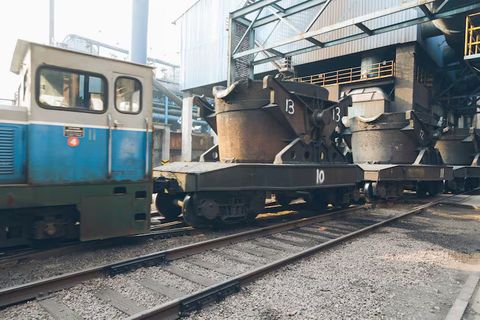
Exploring Rail Grinding Machines With Functions Features and Maintenance Insights
Updated: May 11, 2026
Read More
How Stretch Wrapping Improves Load Stability and Product Protection
Updated: April 30, 2026
Read More
Exploring Lathe Machines With Parts Functions and Operational Insights
Updated: April 30, 2026
Read More