The concept of emergency air ambulance operations began with military and rescue missions, where injured individuals needed urgent evacuation. Over time, this approach expanded into civilian healthcare systems, supporting hospitals and emergency networks. Today, air ambulance systems include both helicopters and fixed-wing aircraft, each suited for different distances and conditions.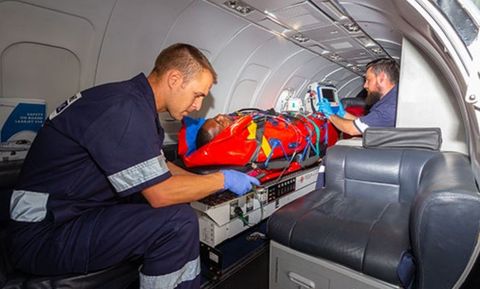
Understanding how air ambulance systems function helps explain their role in modern healthcare. They are not limited to emergencies but also support planned patient air transfer when specialized treatment is required in another location.
Importance
Air ambulance systems are important because they provide timely medical transport in critical situations. When minutes matter, especially in severe injuries or medical emergencies, faster transportation can make a significant difference in reaching appropriate care facilities.
These systems are relevant to a wide range of situations. People living in remote or rural areas may rely on emergency air ambulance access due to limited nearby healthcare facilities. Urban areas also use air ambulance services during traffic congestion or when specialized hospitals are located far away.
The importance of medical air transport can be understood through several factors:
- Speed of response helps reduce delays in reaching medical care
- Accessibility allows transport from difficult or remote locations
- Continuity of care ensures monitoring during patient air transfer
- Flexibility supports both emergency and planned medical movement
Air ambulance systems help address challenges where traditional transport methods may not be sufficient.
Types of Air Ambulance Systems
Air ambulance systems are generally categorized based on the type of aircraft used and the nature of the mission.
Air Ambulance Helicopters
Helicopters are commonly used for short-distance emergency air ambulance operations. They can land in smaller areas such as highways or open fields.
- Suitable for rapid response in urban and remote areas
- Used in accident scenes and urgent medical situations
- Limited by distance and weather conditions
Air Ambulance Planes
Fixed-wing aircraft, often referred to as air ambulance planes, are used for long-distance medical air transport.
- Suitable for intercity or international patient air transfer
- Can carry more medical equipment
- Require airports for landing and takeoff
Combined Systems
Some healthcare networks use a combination of helicopters and planes. For example, a patient may first be transported by helicopter to an airport and then transferred to a plane for longer travel.
How Air Ambulance Systems Work
Understanding the air ambulance process helps clarify how these systems operate from request to patient transfer.
Request and Coordination
The process begins when a request for emergency air ambulance transport is made. Coordination teams assess the situation and determine the most suitable aircraft.
Medical Preparation
Before transport, medical staff prepare the patient for travel. This may include stabilizing vital signs and arranging necessary equipment for monitoring during flight.
Transport Phase
During the flight, trained medical personnel provide continuous care. This is why air ambulance systems are often equipped for critical care transport.
Arrival and Handover
Once the aircraft reaches its destination, the patient is transferred to a hospital or healthcare facility. Medical information is handed over to the receiving team to ensure continuity.
Key Components of Air Ambulance Systems
Air ambulance systems involve several components working together to ensure effective operation.
Aircraft Equipment
Aircraft are fitted with medical equipment such as monitoring systems, oxygen supply, and emergency support tools.
Medical Team
A trained team typically includes doctors, nurses, or paramedics who specialize in air medical evacuation.
Communication Systems
Communication between the aircraft and ground teams is essential for coordination and safety.
Logistics and Support
Ground transport, airport coordination, and hospital readiness are all part of the system.
Comparison of Air Ambulance Types
| Type | Aircraft Used | Distance Range | Landing Flexibility | Typical Use Case |
|---|---|---|---|---|
| Helicopter | Rotor aircraft | Short distance | High | Emergency response |
| Fixed-wing aircraft | Airplane | Long distance | Moderate (requires airport) | Intercity or international transfer |
| Combined system | Both | Short + long | Flexible | Multi-stage transport |
Recent Updates
Air ambulance systems are evolving with improvements in technology and healthcare coordination. One noticeable trend is the integration of advanced monitoring systems within aircraft, allowing better tracking of patient conditions during transport.
There is also increased use of digital communication tools to coordinate between hospitals, pilots, and medical teams. This helps improve response time and planning efficiency.
Another development is the focus on expanding access to medical air transport in remote areas. Governments and healthcare providers are exploring ways to strengthen emergency networks and improve availability.
Laws or Policies
Air ambulance systems operate under aviation and healthcare regulations that ensure safety and quality standards.
Aviation Regulations
Aircraft used for air medical evacuation must comply with aviation safety rules. These include maintenance standards, pilot qualifications, and operational guidelines.
Healthcare Guidelines
Medical teams must follow healthcare protocols during patient air transfer. This ensures proper handling, monitoring, and documentation.
Emergency Frameworks
In many countries, emergency air ambulance operations are integrated into national disaster and emergency response systems. These frameworks help coordinate efforts during critical situations.
Tools and Resources
Various tools support the functioning and understanding of air ambulance systems.
Flight Tracking Systems
These systems monitor aircraft location and help coordinate routes during medical air transport.
Medical Monitoring Devices
Portable devices track patient vital signs during flight, supporting critical care transport.
Communication Platforms
Digital communication tools connect medical teams, pilots, and hospitals for smooth coordination.
Training Materials
Educational resources provide guidance on air ambulance process, safety procedures, and medical protocols.
FAQs
What are air ambulance systems?
Air ambulance systems are medical air transport networks that use aircraft to move patients quickly between locations for emergency or planned care.
How do air ambulance services work?
Air ambulance services work through a coordinated process that includes request, patient preparation, transport, and hospital handover.
What is the difference between air ambulance helicopters and planes?
Air ambulance helicopters are used for short distances and flexible landing, while air ambulance planes are used for long-distance patient air transfer.
When is emergency air ambulance used?
Emergency air ambulance is used in situations where immediate transport is required, such as accidents or critical medical conditions.
What is included in the air ambulance process?
The air ambulance process includes coordination, medical preparation, in-flight care, and transfer to a healthcare facility.
Conclusion
Air ambulance systems are an important part of modern medical transport, providing fast and efficient patient movement in critical situations. They combine aviation technology with healthcare expertise to support both emergency and planned transfers. Understanding how these systems work helps explain their role in improving access to medical care. As technology advances, air ambulance systems continue to evolve to meet changing healthcare needs.