Explore Water Testing Equipment: A Complete Guide with Basics, Facts, and Key Insights
Water testing equipment refers to instruments and tools used to measure the physical, chemical, and biological characteristics of water. These devices help determine whether water meets quality standards for drinking, industrial use, agriculture, environmental monitoring, or research purposes.
The concept of water testing exists because water, though it appears clear, can contain dissolved substances, microorganisms, and contaminants that are not visible to the human eye. Testing allows these hidden characteristics to be identified and measured accurately. Over time, water testing methods have evolved from simple visual checks to advanced digital analysis using sensors, probes, and automated systems.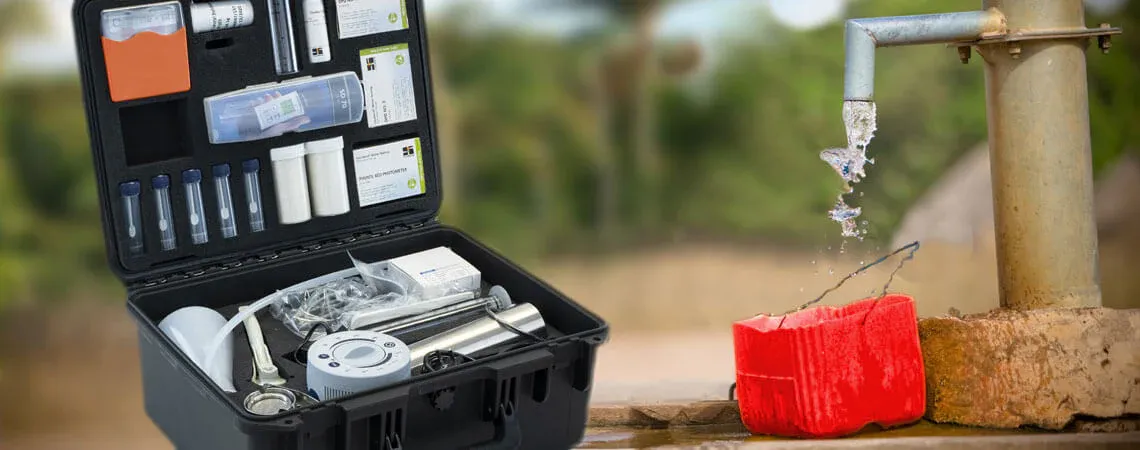
Today, water testing equipment is used in laboratories, treatment facilities, industrial plants, agricultural fields, rivers, lakes, and households. The goal is to provide reliable data that supports safe water usage, environmental protection, and informed decision-making.
Why Water Testing Equipment Matters Today
Water quality has a direct impact on human health, ecosystems, industrial operations, and food production. As populations grow and water sources face increasing pressure, monitoring water quality has become more important than ever.
Water testing equipment matters because it helps:
-
Identify contamination from chemicals, metals, or biological agents
-
Monitor drinking water safety and compliance with standards
-
Support wastewater treatment and reuse planning
-
Protect aquatic ecosystems from pollution and imbalance
-
Assist agriculture by assessing irrigation water quality
-
Enable industries to maintain process consistency and safety
-
Provide data for environmental research and policy development
Different groups rely on water testing data, including households, municipalities, researchers, environmental agencies, and industrial operators. Without accurate testing, water-related risks may go unnoticed until they cause health, environmental, or operational problems.
How Water Testing Equipment Works
Water testing equipment functions by detecting and measuring specific parameters within a water sample. These parameters may relate to chemistry, biology, or physical characteristics.
The general working process includes:
-
Collecting a water sample from a source such as a tap, river, borewell, or storage tank
-
Using sensors, reagents, or probes to interact with the sample
-
Measuring changes in color, electrical signal, light absorption, or chemical reaction
-
Converting measurements into readable values such as ppm, NTU, pH units, or conductivity
-
Displaying or recording results digitally or through calibrated scales
Modern systems often combine multiple measurements into a single device, allowing simultaneous monitoring of several parameters.
Common Types of Water Testing Equipment
| Equipment Type | Primary Measurement | Typical Use Case |
|---|---|---|
| pH Meters | Acidity or alkalinity | Drinking water, agriculture, labs |
| TDS Meters | Dissolved solids | Domestic and industrial water checks |
| Turbidity Meters | Water clarity | Surface water and treatment plants |
| Conductivity Meters | Ionic content | Process and environmental monitoring |
| Dissolved Oxygen Meters | Oxygen levels | Aquatic ecosystem assessment |
| Colorimeters | Chemical concentration | Laboratory analysis |
| Multiparameter Probes | Multiple indicators | Field and research applications |
These tools may be handheld, benchtop, or installed as continuous monitoring systems depending on usage needs.
Recent Updates and Trends in Water Testing
Over the past year, water testing technology has continued to advance, driven by digitalization and environmental awareness. Key developments observed during 2024–2025 include:
-
Increased use of digital and sensor-based testing devices for real-time monitoring
-
Growth in portable testing equipment for field-based analysis
-
Integration of IoT-enabled water quality sensors with data dashboards
-
Expansion of multiparameter testing systems reducing manual handling
-
Improved accuracy and calibration stability in compact devices
-
Wider adoption of automated data logging for long-term trend analysis
-
Greater focus on testing emerging contaminants such as microplastics and trace chemicals
These updates reflect a shift toward faster data availability, reduced human error, and improved accessibility for both professionals and non-specialists.
Laws, Regulations, and Policy Influence
Water testing equipment usage is closely linked to regulatory frameworks that aim to protect public health and the environment. Regulations vary by country, but they generally define acceptable water quality limits and testing requirements.
In many regions, policies influence water testing by:
-
Defining standards for drinking water quality
-
Requiring periodic testing of municipal water supplies
-
Regulating industrial discharge and wastewater monitoring
-
Setting guidelines for agricultural runoff and irrigation water
-
Mandating environmental monitoring of rivers and lakes
-
Establishing laboratory accreditation and testing protocols
Government programs and environmental agencies often rely on standardized testing methods to ensure data consistency and reliability. Compliance with these regulations helps maintain trust in water quality reporting and resource management.
Tools, Platforms, and Helpful Resources
A wide range of tools and digital resources support water testing activities and data interpretation. These resources help users understand results, maintain accuracy, and improve monitoring efficiency.
Useful tools and resources include:
-
Digital water quality calculators for parameter conversion
-
Mobile applications for recording and tracking test results
-
Online water quality guideline databases
-
Calibration reference charts for testing instruments
-
Environmental data portals providing regional water statistics
-
Laboratory method manuals and standard testing protocols
-
Data visualization tools for trend analysis
-
Field sampling checklists and documentation templates
Such resources enhance understanding and ensure that testing outcomes are reliable and comparable over time.
Practical Insights and Knowledge-Based Suggestions
Effective water testing is not only about equipment but also about proper usage and interpretation. Certain practices help improve result reliability and data value.
Helpful insights include:
-
Always rinse sensors or probes with sample water before testing
-
Avoid touching sensitive sensor surfaces directly
-
Follow recommended calibration intervals for accuracy
-
Record testing conditions such as temperature and location
-
Use clean containers to prevent sample contamination
-
Compare results against recognized guideline ranges
-
Maintain consistent testing times for trend analysis
-
Store equipment according to manufacturer recommendations
-
Review historical data to identify gradual changes
Understanding both the equipment and the context of testing leads to more meaningful conclusions.
Frequently Asked Questions
What is water testing equipment used for?
Water testing equipment is used to measure quality indicators such as pH, dissolved solids, turbidity, and chemical presence to assess water safety and suitability for different uses.
Can water testing detect invisible contaminants?
Yes. Many contaminants cannot be seen or smelled. Testing equipment identifies these substances through chemical, electrical, or optical measurement methods.
Is field testing as reliable as laboratory testing?
Field testing provides quick and useful insights, while laboratory testing offers higher precision for complex analysis. Both approaches serve different purposes.
How often should water be tested?
Testing frequency depends on usage, source type, and regulatory guidance. Regular testing helps detect changes early.
What factors affect water test results?
Temperature, sample handling, calibration accuracy, and environmental conditions can influence measurements.
Conclusion
Water testing equipment plays a vital role in understanding and managing water quality across domestic, industrial, agricultural, and environmental contexts. By revealing hidden characteristics of water, these tools help protect health, ecosystems, and infrastructure.
Advancements in digital technology, sensor accuracy, and data integration have made water testing more accessible and informative than ever. At the same time, regulations and environmental policies continue to shape how testing is conducted and reported.
When used correctly and supported by proper knowledge, water testing equipment provides reliable insights that guide responsible water use and long-term sustainability. As water challenges evolve globally, accurate testing remains a foundational element in safeguarding this essential resource.

You may also like...

Real-Time Supervision Service Explained: Overview, Basics, and Key Information
Last Update: April 01, 2026
Read
Video Security Analytics Explained: How Smart Surveillance Systems Operate
Last Update: March 28, 2026
Read
Explore Industrial Chemicals: A Complete Guide with Key Insights and Facts
Last Update: March 17, 2026
Read