The idea behind theme based resorts emerged as travel preferences shifted from basic stays to experience-driven journeys. Travelers increasingly seek meaningful engagement with surroundings rather than just a place to rest. These resorts exist to fulfill that expectation by blending lodging with storytelling, education, and atmosphere, creating a cohesive environment that feels distinct from everyday life.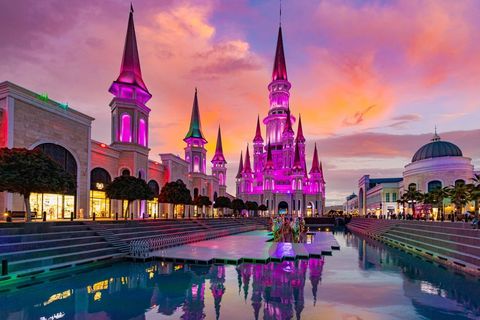
Theme based resorts can be found in coastal areas, forests, deserts, hill regions, and near cultural landmarks. They are designed to create a sense of escape, learning, and emotional connection with the destination.
Why Theme Based Resorts Matter Today
Modern travel patterns show a clear preference for experiential stays. People value environments that provide mental relaxation, cultural exposure, and memorable interactions rather than uniform accommodation formats.
Theme based resorts matter today because they:
- Address the growing demand for immersive travel experiences
- Support cultural awareness and local identity representation
- Encourage longer stays through diverse on-site activities
- Reduce travel fatigue by offering multiple experiences in one location
- Appeal to families, couples, solo travelers, and special-interest groups
- Promote mindful travel through nature-focused or wellness-oriented themes
For travelers, these resorts simplify planning by combining accommodation, environment, and engagement. For destinations, they help diversify tourism offerings and reduce overcrowding at traditional attractions.
Theme based resorts also contribute to destination branding. When aligned with local culture or natural ecosystems, they help preserve traditions, crafts, and regional narratives in a structured and accessible way.
Recent Updates and Industry Trends
The past year has shown noticeable evolution in how theme based resorts are conceptualized and managed. Travel reports from late 2024 and early 2025 highlight several shifts.
Key developments include:
- Increased focus on eco-themed and nature-integrated resorts supporting sustainability awareness
- Growth in wellness-oriented themes, including mindfulness, Ayurveda, and digital detox environments
- Expansion of regional culture themes, highlighting local architecture, cuisine, and traditions
- Rising interest in slow travel concepts, encouraging fewer activities with deeper engagement
- Integration of technology-assisted experiences, such as digital storytelling and guided learning tools
- Preference for low-density resort layouts to support privacy and environmental balance
Many destinations have also encouraged off-season thematic tourism to distribute visitor flow more evenly throughout the year.
Table: Common Types of Theme Based Resorts
| Theme Category | Core Focus | Experience Style |
|---|---|---|
| Nature & Eco | Forests, wildlife, sustainability | Calm, educational, environment-focused |
| Cultural & Heritage | Regional history, architecture | Informative and immersive |
| Wellness & Mindfulness | Health, balance, self-care | Restorative and reflective |
| Adventure & Activity | Outdoor exploration, terrain-based | Energetic and skill-oriented |
| Fantasy & Conceptual | Story-driven or artistic environments | Creative and imaginative |
Laws, Regulations, and Policy Considerations
Theme based resorts operate within national and regional tourism, environmental, and land-use frameworks. While regulations vary by country, certain principles commonly apply.
Key regulatory areas include:
- Land-use zoning and environmental clearance requirements
- Hospitality and accommodation registration norms
- Safety standards related to structures, fire prevention, and emergency planning
- Environmental protection guidelines for forest, coastal, or wildlife-adjacent areas
- Local tourism board classification and quality benchmarks
- Cultural preservation guidelines when showcasing heritage themes
In countries such as India, tourism policies increasingly encourage sustainable and responsible development. Government-backed tourism frameworks often promote eco-sensitive construction, local employment participation, and community engagement while restricting overdevelopment in protected regions.
Understanding regulatory context ensures that theme based resorts operate responsibly while preserving ecological and cultural integrity.
Tools, Platforms, and Informational Resources
Planning, researching, or understanding theme based resorts is easier with access to structured information tools. Several digital and offline resources support this learning process.
Helpful resources include:
- Destination tourism board portals outlining themed travel zones
- Travel planning applications with experience-based filters
- Mapping tools for location, terrain, and accessibility insights
- Cultural and environmental awareness guides published by tourism authorities
- Weather and seasonal planning platforms for destination suitability
- Itinerary visualization tools for multi-day immersive stays
- Review aggregation platforms focused on experiential feedback rather than ratings
Educational blogs, destination case studies, and travel research publications also provide valuable background on how themes are designed and maintained.
Practical Insights and Observational Knowledge
Understanding theme based resorts involves more than selecting a location. Awareness of how themes influence daily experiences helps travelers align expectations.
Key insights include:
- Themes influence architecture, lighting, soundscape, and movement patterns
- Daily schedules may reflect the theme, such as wellness routines or cultural sessions
- Natural themes often limit digital connectivity to enhance immersion
- Cultural themes may emphasize local customs and respectful participation
- Smaller group settings are common to preserve atmosphere and authenticity
- Seasonal variation can significantly alter the overall experience
Travelers benefit from reviewing theme intent rather than focusing only on visual appeal. The most effective immersive stays balance comfort with meaningful engagement.
Table: Theme Based Resorts vs Conventional Resorts
| Aspect | Theme Based Resorts | Conventional Resorts |
|---|---|---|
| Design Approach | Story or concept-driven | Standardized layouts |
| Guest Experience | Immersive and participatory | Comfort-focused |
| Activity Style | Integrated with theme | Optional and separate |
| Emotional Engagement | High | Moderate |
| Learning Element | Often included | Limited |
Frequently Asked Questions
What defines a theme based resort?
A theme based resort is designed around a central concept that influences architecture, activities, atmosphere, and guest experience.
Are theme based resorts suitable for all age groups?
Yes. Different themes cater to families, adults, seniors, and solo travelers depending on design and activity focus.
Do these resorts focus more on activities than accommodation?
Accommodation quality remains important, but the overall experience emphasizes environment and engagement.
How are cultural themes presented responsibly?
Responsible resorts work with local communities, follow cultural guidelines, and present traditions with respect and accuracy.
Is advance planning important for immersive stays?
Yes. Understanding the theme, daily structure, and environment helps travelers prepare mentally and practically.
Conclusion
Theme based resorts represent a thoughtful evolution in travel accommodation. They exist to provide immersive, meaningful, and memorable stay experiences that go beyond conventional lodging. By combining environment, culture, design, and activities under a unified concept, these resorts create spaces where travelers can connect deeply with destinations.
Their growing relevance reflects changing traveler expectations toward experiential learning, emotional well-being, and cultural awareness. When designed responsibly and aligned with regulations, theme based resorts also support sustainable tourism and local identity preservation.
For travelers seeking more than routine stays, theme based resorts offer an opportunity to slow down, engage fully, and experience destinations through carefully crafted narratives. As travel continues to evolve, immersive stay experiences are likely to remain a defining element of modern tourism.