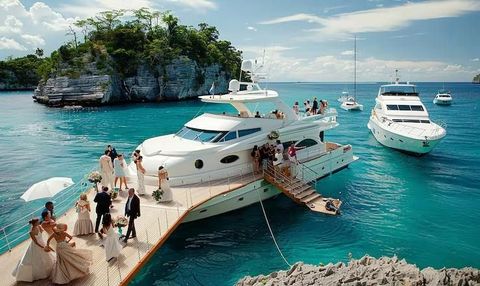
The concept of living on a houseboat has historical roots in regions with extensive waterways, where water-based living provided access to transportation and resources. Over time, the houseboat lifestyle has evolved into a blend of comfort, travel, and recreation.
Today, houseboat travel is associated with both temporary stays and long-term living. It offers a unique way to experience natural surroundings while maintaining basic living standards. The idea combines elements of traditional housing with the flexibility of movement across rivers, lakes, and coastal areas.
Importance
Houseboat living has gained attention as an alternative lifestyle that combines simplicity with mobility. It appeals to individuals seeking a different living environment, especially those interested in water-based experiences and minimal land dependency.
One important aspect is flexibility. Living on a houseboat allows movement between locations without the need for traditional relocation. This can be useful for people who prefer adaptable living arrangements.
Another factor is connection with nature. The houseboat experience often involves proximity to water, open landscapes, and quieter surroundings compared to urban environments. This setting can influence daily routines and encourage slower, more mindful living.
Houseboat comfort also plays a role in its importance. Modern floating home living includes facilities that support everyday activities, making it possible to maintain a balanced lifestyle while on water.
Features of Houseboat Living
Houseboats are designed to provide essential living functions within a compact and mobile structure. The features vary depending on size, design, and intended use.
Living Spaces
Houseboats typically include sleeping areas, seating arrangements, and storage spaces. These areas are designed to maximize limited space while maintaining comfort.
Kitchen and Dining
Most houseboats have basic kitchen setups with cooking appliances and storage for food. This allows residents to prepare meals while traveling or staying in one place.
Sanitation Systems
Sanitation facilities such as bathrooms and waste management systems are important components of houseboat living. These systems are designed to function efficiently within a water-based environment.
Navigation and Control
Some houseboats are equipped with steering systems, allowing movement across waterways. Others are stationary and used primarily for residential purposes.
Comparison of Houseboat Types
| Type of Houseboat | Mobility Level | Typical Use | Living Style |
|---|---|---|---|
| Motorized Houseboat | High mobility | Travel and exploration | Flexible living |
| Stationary Houseboat | Low mobility | Long-term residence | Stable floating home |
| Luxury Houseboat | Moderate mobility | Comfort-focused travel | Enhanced facilities |
| Compact Houseboat | Moderate mobility | Short stays | Minimal living setup |
Houseboat Comfort and Daily Living
Houseboat comfort depends on how well the space is organized and maintained. While space is limited compared to traditional homes, efficient design helps create a functional environment.
Daily life in a houseboat involves managing water, electricity, and storage carefully. Many houseboats use onboard systems such as water tanks and power sources to support basic needs.
The houseboat lifestyle often encourages simpler routines. Activities such as cooking, cleaning, and maintenance are adapted to suit the available space and resources. This can lead to a more structured and mindful way of living.
Houseboat Travel and Adventure
Houseboat travel offers a unique way to explore waterways while maintaining a living space. Unlike conventional travel, where accommodation is separate from transportation, houseboats combine both functions.
Travel Experience
Houseboat adventure allows individuals to move at a slower pace, observing surroundings such as rivers, lakes, and coastal regions. This type of travel emphasizes the journey rather than just the destination.
Exploration Opportunities
Living on a houseboat provides access to areas that may not be easily reachable by road. It allows exploration of remote or less crowded locations.
Recreational Activities
Common activities associated with houseboat living include:
- Fishing and water-based recreation
- Observing natural landscapes
- Relaxation and quiet time
These activities contribute to the overall houseboat experience.
Houseboat Maintenance
Maintaining a houseboat is an important part of ensuring safety and functionality. Regular checks and upkeep are required due to exposure to water and environmental conditions.
Routine Maintenance Tasks
- Cleaning the exterior to prevent buildup
- Checking mechanical and electrical systems
- Managing water and waste systems
- Inspecting structural components
Proper houseboat maintenance helps extend the usability of the vessel and ensures a safe living environment.
Recent Updates
Houseboat living has seen increased interest as people explore alternative lifestyles. Modern designs now include improved layouts, energy-efficient systems, and better use of space.
There is also a growing focus on sustainability. Many houseboats incorporate eco-friendly features such as solar panels and efficient water usage systems.
Digital tools are influencing houseboat travel as well. Navigation systems, weather tracking, and mobile applications are helping individuals plan and manage their journeys more effectively.
Laws or Policies
Houseboat living is regulated by local and national authorities depending on the region. These regulations are designed to ensure safety, environmental protection, and proper use of waterways.
Registration and Licensing
Houseboats may need to be registered and licensed for operation. This helps authorities track and manage water traffic.
Safety Requirements
Safety guidelines often include the use of life-saving equipment, proper navigation systems, and compliance with waterway rules.
Environmental Regulations
Rules may govern waste disposal, fuel usage, and water pollution prevention to protect aquatic ecosystems.
Understanding these policies is important for responsible houseboat living.
Tools and Resources
Various tools and resources support individuals interested in houseboat living.
Navigation Tools
Digital navigation systems help track routes and monitor water conditions.
Maintenance Checklists
Structured checklists assist in managing routine houseboat maintenance tasks.
Planning Resources
Guides and templates help organize travel routes and daily living arrangements.
Monitoring Systems
Devices that track water levels, battery usage, and system performance help maintain stability in floating home living.
These resources make it easier to manage both comfort and functionality.
FAQs
What is houseboat living?
Houseboat living refers to staying or residing in a floating home equipped with essential facilities for daily life on water.
Is living on a houseboat comfortable?
Houseboat comfort depends on design, space management, and maintenance. Modern houseboats are equipped with facilities that support everyday needs.
What are common houseboat facilities?
Houseboat facilities typically include sleeping areas, kitchen setups, sanitation systems, and basic navigation equipment.
How does houseboat travel work?
Houseboat travel combines transportation and accommodation, allowing individuals to move across waterways while living onboard.
What is involved in houseboat maintenance?
Houseboat maintenance includes cleaning, system checks, structural inspections, and proper management of water and waste systems.
Conclusion
Houseboat living offers a unique combination of shelter, travel, and connection with natural surroundings. It provides an alternative approach to traditional housing by integrating mobility and daily living. Understanding houseboat comfort, maintenance, and regulations helps clarify how this lifestyle functions. As interest continues to grow, the houseboat experience remains part of broader discussions around flexible and water-based living.