Explore the Best Everyday Sneakers for Walking and Travel Comfort
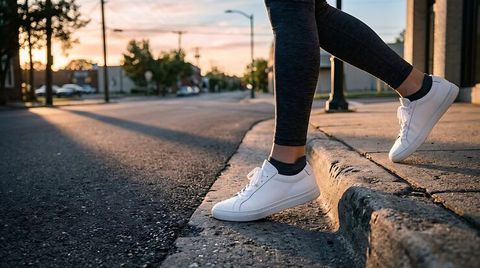
Everyday sneakers are designed for regular activities such as walking, commuting, sightseeing, and spending time outdoors. Travel sneakers serve similar purposes but often need to accommodate longer periods of walking, changing surfaces, and different weather conditions. Choosing suitable footwear involves balancing comfort, durability, weight, support, and versatility.
Modern walking sneakers combine materials engineering, cushioning technology, flexible outsoles, and breathable uppers. Some designs prioritize lightweight construction, while others focus on stability, water resistance, or additional cushioning. Understanding these features helps people identify footwear that matches their daily routines and travel plans.
Unlike specialized running shoes, everyday walking sneakers are generally designed around ordinary walking patterns rather than repeated high-impact running movements. However, some running shoes can also work well for walking, depending on their fit, construction, and the user's preferences.
Main Types of Everyday Sneakers
Different sneaker categories address different walking requirements.
Lightweight walking sneakers: Designed for everyday movement, commuting, and packing in luggage.
Cushioned walking shoes: Feature thicker midsoles intended to soften the impact of repeated steps.
Breathable mesh sneakers: Allow greater airflow and may be useful in warm climates.
Water-resistant sneakers: Help manage light moisture, depending on their construction and materials.
Trail-inspired sneakers: Often feature more pronounced outsole patterns for walking on uneven paths.
Minimalist sneakers: Use relatively thin soles and less cushioning, which may not suit every person's feet.
The most appropriate category depends on walking distance, climate, terrain, personal comfort, and any specific foot-related requirements.
Why Comfort and Durability Matter
Footwear affects how people experience everyday movement. Poorly fitting sneakers can cause rubbing, blisters, pressure points, and discomfort during extended walks. Shoes with unsuitable traction may also feel unstable on wet or uneven surfaces.
These concerns become more noticeable during travel, when people may spend hours walking through airports, train stations, museums, city streets, and outdoor attractions. Carrying fewer pairs of shoes can also make versatile footwear useful for travelers who want to manage luggage space.
Important Features to Consider
Cushioning and midsole construction
The midsole absorbs and distributes some of the forces created during walking. Materials such as ethylene-vinyl acetate (EVA), polyurethane, and specialized foam compounds are used in different footwear designs.
More cushioning does not automatically mean greater comfort. Some people prefer a softer feel, while others find a firmer, more stable platform easier to walk in. The best choice depends on fit, walking habits, and individual preference.
Breathability and moisture management
Mesh uppers and moisture-managing linings can help reduce heat buildup. This feature is particularly relevant in warm or humid conditions. However, highly breathable materials may provide less protection against rain than sealed or water-resistant constructions.
Outsole grip and flexibility
The outsole is the part of the shoe that contacts the ground. Rubber compounds and tread patterns influence traction, wear resistance, and flexibility.
For travel, a versatile outsole should provide reasonable grip on common walking surfaces. Specialized trail footwear may be more suitable for rough paths, while extremely aggressive tread patterns may feel unnecessary on smooth indoor floors.
Fit and foot support
A good fit allows the toes to spread naturally without excessive movement inside the shoe. The heel should remain reasonably secure, and the shoe should not create painful pressure across the top or sides of the foot.
Useful fitting considerations include:
Adequate toe-box space.
A secure heel without persistent rubbing.
Comfortable arch contact without painful pressure.
Sufficient room for normal foot swelling during extended walking.
Compatibility with the socks normally worn.
People with persistent foot pain or specific medical needs may benefit from advice from a qualified healthcare professional.
Recent Trends in Walking and Travel Sneakers
During 2025 and 2026, everyday footwear design continued to reflect consumer interest in lightweight construction, versatile styling, improved cushioning, and materials with a lower environmental impact. These developments are relevant to travelers, commuters, and people who spend significant time walking.
Lightweight Construction and Responsive Cushioning
Footwear manufacturers continue to use engineered mesh, molded midsoles, and specialized foam compounds to balance cushioning with weight. Some models feature thicker midsoles, while others maintain a lower profile to provide a more direct connection with the walking surface.
Lightweight construction can make footwear easier to pack, but low weight alone does not establish comfort or durability. Midsole resilience, outsole thickness, upper strength, and fit remain important considerations.
Sustainable Footwear Materials
Recycled polyester, recycled rubber, and other material innovations have become increasingly visible in footwear design. Some manufacturers also explore plant-derived materials and methods intended to reduce manufacturing waste.
However, environmental claims require careful interpretation. A sneaker containing recycled material is not automatically recyclable as a complete product, and a lower-impact material does not necessarily guarantee a longer lifespan. Buyers and researchers should examine the specific materials, manufacturing claims, and product documentation.
Versatile Everyday Styling
Another continuing trend is footwear designed to transition between casual activities and travel. Neutral colors, simple silhouettes, and flexible styling allow many sneakers to work with different clothing combinations.
This versatility can reduce the need to pack several pairs of shoes. Nevertheless, appearance should not take priority over fit, traction, and comfort when extensive walking is expected.
Smart Footwear and Digital Fit Tools
Foot-scanning applications, digital sizing guides, and online fit questionnaires have expanded the ways people assess footwear dimensions. These tools can help compare measurements and identify possible sizing differences between brands.
Their results are estimates rather than guarantees. Foot shape, sock thickness, swelling, and differences in shoe construction can affect the final fit.
Footwear Standards, Consumer Protection, and Policies
Footwear requirements vary by country. Relevant rules can cover product safety, textile labeling, chemical restrictions, environmental claims, and consumer rights. Travelers should also consider whether their footwear meets the practical requirements of their planned activities.
Footwear Regulations in India
India's footwear market operates within a broader framework of product standards and consumer protection.
The Bureau of Indian Standards (BIS) develops and administers standards for various products, including specified categories of footwear. Depending on the product category and applicable orders, footwear may be subject to particular Indian Standards and conformity requirements.
The Consumer Protection Act, 2019, establishes a framework addressing consumer rights and unfair trade practices. Product descriptions and advertising should not misrepresent a sneaker's materials, performance, durability, or other important characteristics.
Textile and material labeling requirements may also apply depending on the product and applicable regulations. Requirements can differ for domestic products and imported footwear.
Environmental and International Considerations
Environmental claims are increasingly relevant to footwear, particularly where manufacturers describe products as recycled, biodegradable, or environmentally preferable. Such statements should be supported by appropriate evidence and clearly defined rather than presented as universal guarantees.
For international travel, ordinary sneakers generally do not require special documentation. However, activities involving workplaces, protected natural areas, or specialized sporting environments may have specific footwear requirements.
Consumers comparing footwear across international markets should check product specifications, sizing systems, material information, and applicable local regulations rather than assuming that the same model has identical characteristics everywhere.
Tools and Resources for Choosing Everyday Sneakers
Several practical tools can help people evaluate walking sneakers before making a decision. Combining measurement, product specifications, and personal testing provides a more complete assessment than relying on appearance or a single rating.
Useful Footwear Assessment Tools
Foot measurement guide: Helps measure foot length and width to compare with a manufacturer's sizing chart.
Shoe size conversion chart: Converts sizing between systems such as US, UK, and European sizes.
Walking distance tracker: Smartphone applications and wearable devices estimate daily steps and walking distances.
Footwear comparison spreadsheet: Records weight, upper material, outsole type, cushioning, water resistance, and other specifications.
Wear tracking log: Records purchase date, approximate walking distance, visible wear, and changes in comfort.
Weather forecast applications: Help travelers consider whether breathable mesh or water-resistant footwear is more appropriate.
Comparing Sneaker Features
The table below summarizes the characteristics that matter most when selecting everyday walking and travel footwear.
Feature | What to examine | Why it matters |
|---|---|---|
Cushioning | Midsole material and firmness | Influences comfort and impact absorption |
Weight | Weight per shoe | Affects packing and how footwear feels during movement |
Upper | Mesh, knit, leather, or synthetic materials | Influences breathability and protection |
Outsole | Rubber compound and tread pattern | Affects traction and wear resistance |
Fit | Toe space and heel security | Helps reduce rubbing and pressure |
Water resistance | Material treatment and construction | Determines suitability for damp conditions |
Maintenance | Cleaning and drying instructions | Helps preserve footwear condition |
Product specifications should be interpreted alongside practical testing. A shoe may have excellent cushioning but an unsuitable shape, or a durable outsole but insufficient grip for the intended terrain.
Frequently Asked Questions
How should I choose sneakers for long-distance walking?
Look for a comfortable fit, suitable cushioning, reliable traction, and adequate toe space. Try the shoes while walking on a firm surface, preferably at a time when your feet are naturally slightly expanded. Consider the terrain and typical walking duration before deciding.
Are running shoes suitable for everyday walking and travel?
Yes, many running shoes can work well for everyday walking and travel. Their cushioning and lightweight construction may be useful for long days on foot. However, some running models have curved soles, narrow shapes, or designs that may not suit every walking preference.
How long do everyday walking sneakers typically last?
Lifespan varies with construction, walking distance, body weight, terrain, storage, and maintenance. Some pairs remain comfortable for many months, while others wear out sooner with intensive daily use. Flattened cushioning, worn tread, damaged uppers, and persistent discomfort can indicate that replacement should be considered.
Are waterproof sneakers better than breathable mesh sneakers?
Neither option is universally better. Water-resistant footwear may be useful in wet conditions, while breathable mesh can be more comfortable in warm weather. Waterproof constructions may retain more heat, so climate and planned activities should guide the choice.
How can I determine whether sneakers provide good overall value?
Consider the combination of fit, durability, versatility, maintenance requirements, and expected frequency of use. A well-fitting pair suitable for several activities may provide greater practical value than footwear chosen mainly for appearance or a particular technical feature.
Conclusion
The best everyday sneakers for walking and travel balance comfort, durability, traction, breathability, and versatile design. Cushioning materials, lightweight construction, and improved fit technologies provide more options, but no single shoe is ideal for every person or environment.
Before choosing footwear, consider your walking habits, destination, climate, preferred fit, and expected use. Compare specifications, assess the outsole and upper materials, and test comfort whenever possible.
A thoughtful selection process helps travelers and everyday walkers identify footwear that meets their needs without relying on exaggerated performance claims. Regular inspection, proper cleaning, and suitable storage can also help maintain comfort and extend the useful life of a pair of sneakers.

Related Post...
Explore the Best Everyday Sneakers for Walking and Travel Comfort
Updated: October 28, 2026
Read More