The concept of Industrial HVAC Optimization has developed alongside the growth of manufacturing and large-scale infrastructure. As facilities expanded, so did the complexity of maintaining indoor environments. This led to the use of advanced monitoring tools, system design improvements, and data-based decision-making to ensure consistent performance.
Industrial HVAC systems differ from residential systems due to their scale and purpose. They often operate continuously and must adapt to varying production conditions. Optimization focuses on reducing energy use, improving airflow, and ensuring that systems respond effectively to changing demands.
Importance
Industrial HVAC Optimization plays a significant role in modern industries because it directly affects operational efficiency and environmental conditions. Poorly managed systems can lead to uneven temperatures, excessive energy use, and reduced equipment lifespan.
For workers, proper HVAC functioning helps maintain comfortable and safe conditions. This is especially important in environments where heat, dust, or chemicals are present. Stable air quality and temperature can support better productivity and reduce disruptions.
From an operational perspective, industries face challenges such as rising energy demands and the need to reduce environmental impact. Optimized HVAC systems help address these issues by improving efficiency and minimizing unnecessary energy consumption.
Common challenges addressed by Industrial HVAC Optimization include:
- Uneven airflow across large spaces
- Excessive energy use during peak operations
- Difficulty maintaining consistent indoor temperatures
- Limited system responsiveness to changing workloads
Recent Updates
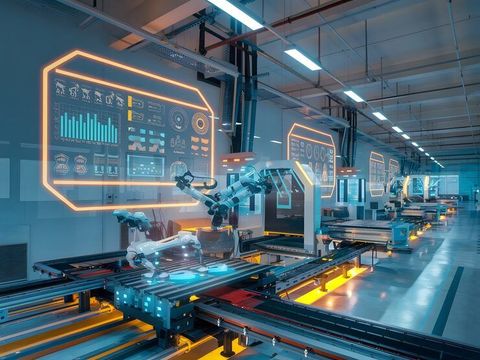
In recent years, Industrial HVAC Optimization has seen several advancements driven by technology and sustainability goals. One noticeable trend is the integration of smart sensors and automated controls. These systems collect real-time data on temperature, humidity, and airflow, allowing adjustments to be made automatically.
Another development is the increased use of energy-efficient equipment. Modern HVAC units are designed to consume less power while maintaining consistent performance. Variable speed drives and advanced compressors are commonly used to adapt system output based on demand.
Digital platforms have also become more common in industrial settings. These platforms provide centralized monitoring and analytics, helping facility managers understand system behavior over time. Predictive maintenance has emerged as a useful approach, where potential issues are identified before they cause disruptions.
A general trend in Industrial HVAC Optimization is the focus on sustainability. Industries are gradually adopting practices that reduce emissions and improve energy efficiency without compromising system reliability.
Laws or Policies
Industrial HVAC systems are influenced by various regulations and standards that aim to ensure safety, efficiency, and environmental responsibility. These rules vary by country but often follow similar principles.
In India, HVAC-related practices are guided by energy efficiency standards and environmental regulations. Agencies such as the Bureau of Energy Efficiency (BEE) promote energy-saving measures in industrial operations. These guidelines encourage the use of efficient equipment and proper system design.
Environmental regulations also play a role in shaping HVAC practices. Restrictions on certain refrigerants and emissions are intended to reduce environmental impact. Industries are required to follow safe handling and disposal procedures for HVAC components.
Building codes and occupational safety standards also influence HVAC system design. These rules ensure that indoor air quality and temperature conditions meet acceptable levels for worker safety.
Overall, regulations support the goals of Industrial HVAC Optimization by encouraging efficient and responsible system use.
Tools and Resources
Several tools and resources are available to support Industrial HVAC Optimization. These tools help monitor system performance, analyze energy usage, and identify areas for improvement.
Commonly used resources include:
- Energy monitoring systems, which track power consumption across HVAC components
- Building management systems (BMS), which provide centralized control of HVAC operations
- Simulation software, used to model airflow and temperature distribution within facilities
- Maintenance tracking platforms, which help schedule inspections and track system health
Below is a simple comparison of commonly used HVAC optimization tools:
| Tool Type | Main Function | Typical Use Case |
|---|---|---|
| Energy Monitoring Systems | Track energy consumption | Identifying inefficiencies |
| Building Management Systems | Centralized control and automation | Managing large facilities |
| Simulation Software | Analyze airflow and temperature | System design and improvement planning |
| Maintenance Platforms | Monitor system condition | Preventive and predictive maintenance |
These tools allow industries to better understand how HVAC systems perform and where adjustments can be made. By using data effectively, facilities can maintain stable environments while reducing unnecessary energy use.
FAQs
What is Industrial HVAC Optimization?
Industrial HVAC Optimization is the process of improving the efficiency and performance of heating, ventilation, and air conditioning systems in large facilities. It focuses on maintaining stable environmental conditions while reducing energy use.
Why is Industrial HVAC Optimization important?
It helps maintain consistent temperature and air quality, which supports equipment performance and worker comfort. It also reduces energy consumption and improves overall system efficiency.
What are common methods used in Industrial HVAC Optimization?
Common methods include using smart sensors, improving airflow design, upgrading equipment, and applying automated control systems. Regular maintenance and data analysis are also important.
How do Building Management Systems support Industrial HVAC Optimization?
Building Management Systems help monitor and control HVAC operations from a central platform. They allow adjustments based on real-time data, improving efficiency and system responsiveness.
Can Industrial HVAC Optimization reduce environmental impact?
Yes, optimizing HVAC systems can lower energy consumption and reduce emissions. This contributes to more sustainable industrial operations.
Conclusion
Industrial HVAC Optimization is an essential part of managing large-scale facilities. It helps maintain stable indoor environments, supports efficient operations, and addresses energy-related challenges. With the use of modern tools and evolving practices, industries are gradually improving system performance. Regulations and technological advancements continue to shape how HVAC systems are designed and managed. Understanding these basics provides a clear view of how optimization contributes to long-term operational stability.