Explore Self-Care Routines for a Balanced and Healthy Lifestyle
Self-Care Routines are everyday activities that help people maintain their physical, mental, and emotional wellbeing. They include healthy eating, regular exercise, adequate sleep, personal hygiene, and relaxation practices. People often search for self-care ideas to manage daily stress, improve their habits, and create a balanced lifestyle. Understanding these routines can help individuals identify practical activities that fit their personal needs and daily schedules.
Key Takeaways
- Self-care routines include physical, mental, emotional, and social wellbeing activities.
- Regular sleep and physical activity support everyday health and energy.
- Simple self-care habits can fit into different daily schedules.
- Personal routines should reflect individual needs, preferences, and circumstances.
Related Searches
What are self-care routines and why are they important?
How to create a simple daily self-care routine?
What are some examples of self-care activities?
Morning vs evening self-care routines: What is the difference?
How can self-care routines support mental wellbeing?
What are easy self-care ideas for beginners?
In This Guide
- What Are Self-Care Routines and How Do They Work?
- Why Are Self-Care Routines Important in Everyday Life?
- Recent Trends in Self-Care Routines
- Health Guidelines and Policies Related to Self-Care in India
- Types of Self-Care Routines: Comparison and Overview
- Tools and Resources for Building Self-Care Routines
- Frequently Asked Questions About Self-Care Routines
- Conclusion
What Are Self-Care Routines and How Do They Work?
Self-care routines are organised habits that help individuals look after their health and everyday wellbeing. They can include simple activities such as drinking enough water, preparing balanced meals, taking walks, maintaining personal hygiene, and spending time with family.
The concept of self-care comes from broader health and wellness practices that recognise the importance of individual participation in maintaining health. It covers more than personal grooming or relaxation because physical activity, emotional awareness, social relationships, and healthy daily habits are also involved.
How Do Self-Care Routines Work?
Self-care works through regular activities that become part of everyday life. Rather than depending on occasional lifestyle changes, individuals can incorporate manageable habits into their existing schedules.
A daily routine may include:
- Morning preparation: Waking up at a consistent time, drinking water, and maintaining personal hygiene.
- Physical activity: Walking, stretching, cycling, or participating in suitable exercise.
- Nutrition: Eating balanced meals containing vegetables, fruits, protein sources, and other essential nutrients.
- Mental relaxation: Practising mindfulness, reading, journaling, or taking quiet breaks.
- Evening preparation: Reducing screen exposure, organising the following day, and maintaining a regular bedtime.
These activities can be adjusted according to age, health, responsibilities, and personal preferences.
What Are the Main Areas of Self-Care?
Self-care generally includes five interconnected areas:
- Physical self-care: Exercise, sleep, nutrition, hydration, and personal hygiene.
- Mental self-care: Reading, learning, problem-solving, and activities that encourage concentration.
- Emotional self-care: Recognising feelings, expressing emotions, and maintaining healthy personal boundaries.
- Social self-care: Maintaining relationships, communicating with family, and spending time with supportive people.
- Spiritual self-care: Meditation, reflection, prayer, or activities that provide personal meaning.
Each area contributes to overall wellbeing, although individual priorities may change over time.
Why Are Self-Care Routines Important in Everyday Life?
Modern lifestyles often involve work responsibilities, education, family commitments, screen exposure, and changing schedules. These activities can affect sleep patterns, physical activity, eating habits, and emotional wellbeing.
Self-care routines help people pay attention to these everyday needs. They are relevant to students, working adults, parents, older people, and individuals managing different personal responsibilities.
What Problems Can Self-Care Routines Help Address?
Regular self-care activities can support several aspects of everyday life:
- Daily stress: Relaxation activities and planned breaks can help people manage everyday pressures.
- Irregular sleep: Consistent bedtime habits can support healthier sleep patterns.
- Physical inactivity: Walking and stretching introduce movement into otherwise sedentary schedules.
- Poor eating habits: Meal planning can encourage more balanced food choices.
- Emotional difficulties: Journaling and emotional reflection can improve awareness of personal feelings.
- Social isolation: Regular communication helps maintain relationships and social connections.
- Digital fatigue: Screen breaks provide time away from continuous device use.
Self-care is not a replacement for medical treatment or mental health care. Persistent physical symptoms or emotional difficulties may require assessment by a qualified healthcare professional.
Recent Trends in Self-Care Routines
Self-care practices are increasingly discussed alongside preventive health, mental wellbeing, digital habits, and everyday lifestyle management. Current trends during 2024–2026 show continued interest in practical routines that combine physical activity, nutrition, sleep, and emotional awareness.
What Are the Latest Self-Care Trends?
Several developments are influencing everyday wellness habits:
- Mindfulness practices: Meditation, breathing exercises, and guided relaxation are becoming common parts of personal routines.
- Sleep awareness: People are paying greater attention to bedtime consistency and sleep tracking.
- Digital wellbeing: Screen-time monitoring and planned device breaks are receiving more attention.
- Personalised routines: Fitness trackers and wellness applications help individuals monitor selected daily habits.
- Holistic wellbeing: Physical health, emotional balance, nutrition, and social relationships are increasingly considered together.
- Outdoor activities: Walking, gardening, and spending time in natural surroundings remain familiar self-care practices.
These trends reflect changing lifestyle interests rather than a requirement to follow every new wellness practice.
Health Guidelines and Policies Related to Self-Care in India
India has several public health programmes and legal frameworks that address physical health, mental wellbeing, preventive care, and health awareness. These initiatives provide broader guidance for individuals and communities.
Which Indian Policies Relate to Self-Care?
- National Health Mission (NHM): Supports public health initiatives, preventive healthcare, and community health awareness.
- Mental Healthcare Act, 2017: Protects the rights of people with mental illness and establishes provisions relating to mental healthcare.
- National Mental Health Programme: Supports mental health awareness and access to mental healthcare through public health structures.
- POSHAN Abhiyaan: Promotes improved nutritional awareness and healthy practices among children, women, and communities.
- Ayushman Bharat Health and Wellness Centres: Support comprehensive primary healthcare, including preventive and health promotion activities.
These programmes do not prescribe one universal self-care routine. Individual activities should reflect personal health conditions and applicable medical guidance.
Types of Self-Care Routines: Comparison and Overview
Self-care routines can be organised according to the time of day, activity, or personal wellbeing goal. Different approaches suit different schedules and lifestyles.
Morning vs Evening Self-Care Routines
| Feature | Morning routine | Evening routine |
|---|---|---|
| Main purpose | Prepare for the day | Prepare for rest |
| Common activities | Stretching and hydration | Reading and relaxation |
| Physical focus | Movement and activity | Gentle stretching |
| Mental focus | Planning and motivation | Reflection and mindfulness |
| Sleep connection | Establishes daily structure | Supports bedtime consistency |
Daily vs Weekly Self-Care Activities
| Activity | Daily routine | Weekly routine |
|---|---|---|
| Physical activity | Walking or stretching | Longer recreational activity |
| Nutrition | Balanced meals | Meal planning |
| Mental wellbeing | Short relaxation breaks | Extended personal reflection |
| Social connection | Brief communication | Family or social gatherings |
| Personal organisation | Basic planning | Reviewing personal goals |
Both approaches can work together. Daily habits provide consistency, while weekly activities create additional time for reflection and personal interests.
Tools and Resources for Building Self-Care Routines
Digital and traditional tools can help individuals organise activities and monitor personal habits.
- Google Calendar: Helps schedule exercise, rest periods, and personal activities.
- Habitica: Provides a digital habit-tracking system.
- Google Fit: Tracks selected physical activity and movement information.
- Apple Health: Organises available health and fitness information.
- Sleep diaries: Record bedtime, waking time, and general sleep patterns.
- Personal journals: Help record emotions, daily experiences, and reflections.
- Meal planners: Organise food choices and daily meal schedules.
These resources are optional. A notebook or simple written checklist can also help organise everyday routines.
Frequently Asked Questions About Self-Care Routines
1. What are self-care routines?
They are regular activities that support physical, mental, emotional, and social wellbeing.
2. How do I create a daily self-care routine?
Begin with manageable activities involving sleep, nutrition, movement, relaxation, and personal hygiene.
3. What are some simple self-care routines for beginners?
Walking, reading, drinking water, journaling, stretching, and maintaining regular sleep habits are common examples.
4. What is the difference between morning and evening self-care routines?
Morning routines prepare individuals for daily activities, while evening routines focus on relaxation and sleep preparation.
5. Can self-care routines improve mental wellbeing?
Regular self-care habits can support emotional awareness and stress management, but they do not replace professional mental healthcare.
Conclusion
Self-care routines involve practical habits that support physical, mental, emotional, and social wellbeing. Activities such as exercise, balanced nutrition, adequate sleep, and relaxation can become part of everyday life. Personal routines vary according to individual needs, schedules, and health circumstances. Consistency, flexibility, and awareness are important elements of sustainable self-care practices.

Related Post...

Root Canal Treatment: Procedure, Benefits, and Recent Advances Explained
Updated: November 24, 2026
Read More
Gum Disease Treatment: Causes, Symptoms, Procedures & Prevention
Updated: November 25, 2026
Read More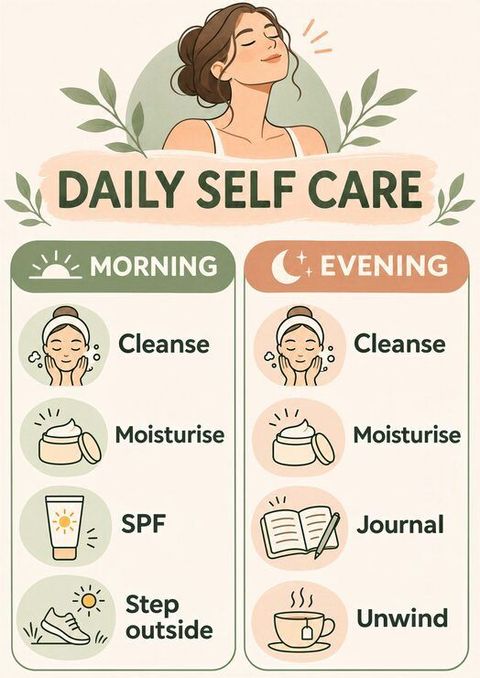
Explore Self-Care Routines for a Balanced and Healthy Lifestyle
Updated: November 28, 2026
Read More