Proximity sensors are electronic devices designed to detect the presence or absence of an object within a specific range, without touching it. Unlike mechanical switches, they rely on physical phenomena such as electromagnetic fields, light, sound, or capacitance to sense nearby objects.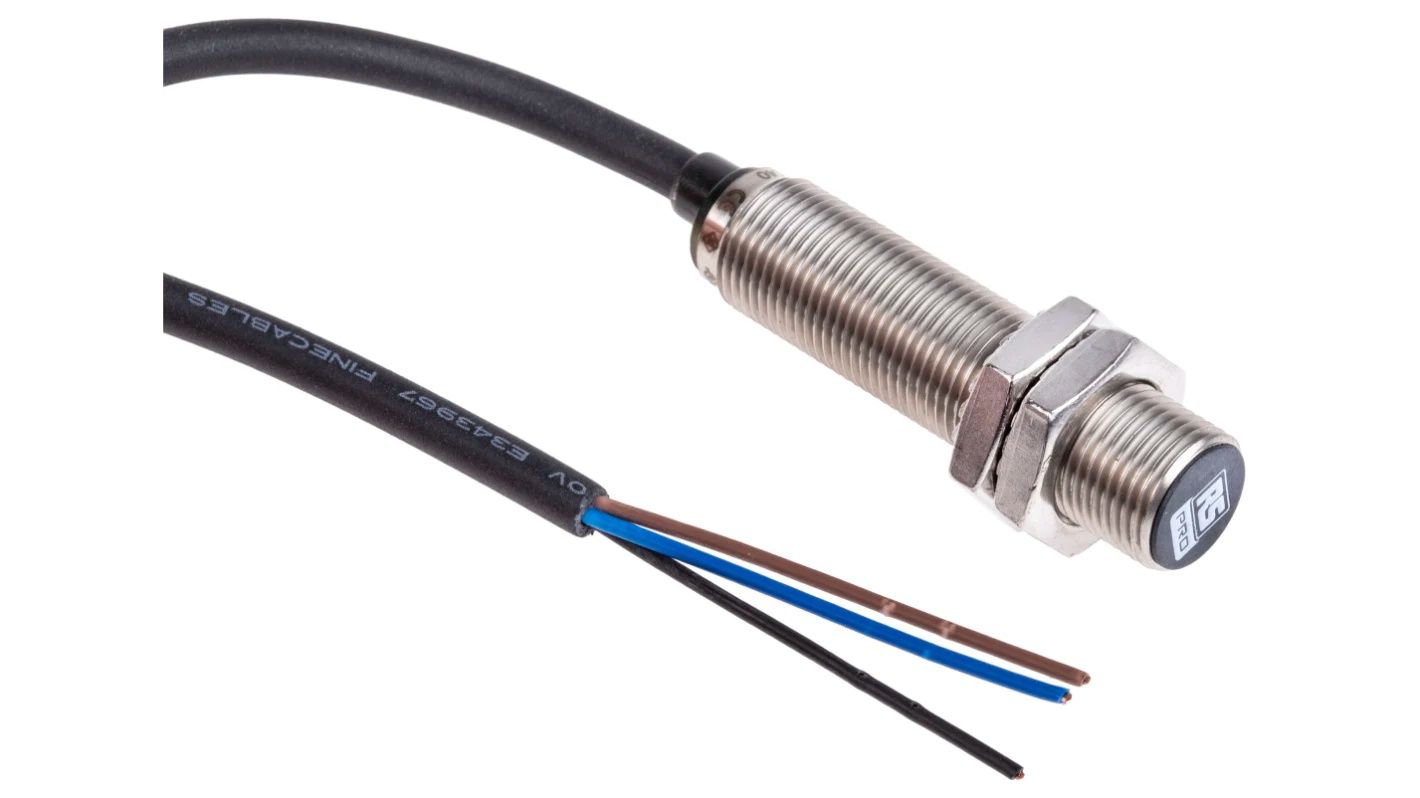
The concept of proximity sensing emerged as industries began to automate processes and reduce wear caused by physical contact. Early industrial systems needed reliable ways to detect parts on assembly lines, measure distances, or ensure safety without slowing operations.
Over time, proximity sensors evolved beyond factories. Today, they are embedded in consumer electronics, transportation systems, medical equipment, and smart infrastructure. Their ability to provide fast, contactless detection makes them suitable for environments where durability, hygiene, or precision is important.
At a basic level, proximity sensors answer simple questions:
-
Is an object present?
-
How close is it?
-
Has something entered or left a defined area?
These simple functions support many complex systems.
Importance: Why Proximity Sensors Matter Today
Proximity sensors play an important role in modern society because they support efficiency, safety, and automation across multiple sectors.
Key reasons they matter today include:
-
Automation and productivity: Manufacturing, logistics, and packaging rely on proximity sensors to monitor movement, position, and flow without manual intervention.
-
Safety and reliability: Sensors help prevent collisions, detect obstructions, and trigger automatic shutdowns in hazardous environments.
-
Everyday convenience: In consumer devices, proximity sensors improve user experience, such as turning off smartphone screens during calls or enabling touchless controls.
-
Energy efficiency: Systems can activate only when needed, reducing unnecessary power consumption.
-
Hygiene and health: Contactless sensing is important in medical devices, public facilities, and food processing environments.
Who is affected by this technology:
-
Industrial operators and engineers
-
Product designers and manufacturers
-
Consumers using smart devices
-
Transportation and infrastructure planners
-
Healthcare providers
By solving problems related to contact wear, human error, and manual monitoring, proximity sensors help systems run more smoothly and consistently.
Common Types of Proximity Sensors (Overview Table)
| Sensor Type | Detection Principle | Common Applications |
|---|---|---|
| Inductive | Electromagnetic field | Metal detection, CNC machines |
| Capacitive | Change in capacitance | Liquid level sensing, plastics |
| Photoelectric | Light emission and reflection | Packaging lines, object counting |
| Ultrasonic | Sound waves | Distance measurement, level sensing |
| Infrared (IR) | Infrared light | Consumer electronics, automation |
This variety allows proximity sensors to be adapted to different materials, distances, and environments.
Recent Updates: Trends and Developments (2026)
In the past year, proximity sensor technology has continued to evolve alongside broader trends in automation and digitalization.
Notable developments include:
-
2025–2026: Growth in Industry 4.0 adoption
Proximity sensors are increasingly integrated with industrial IoT systems, enabling real-time monitoring and predictive maintenance. -
2025: Miniaturization in consumer electronics
Sensor components have become smaller and more power-efficient, supporting thinner smartphones, wearables, and compact devices. -
2026: Increased use in electric vehicles (EVs)
Proximity sensors are used for parking assistance, battery monitoring systems, and safety features in EV platforms. -
2025–2026: Expansion of touchless systems
Public and commercial spaces continue adopting touch-free controls, driven by hygiene awareness and accessibility needs. -
Sensor fusion trends
Proximity sensors are more frequently combined with cameras, radar, and AI-based systems to improve accuracy and decision-making.
These updates reflect a shift toward smarter, more connected, and more efficient sensing solutions.
Simple Trend Comparison Table
| Trend Area | Earlier Focus | Current Direction (2025) |
|---|---|---|
| Industrial sensing | Standalone sensors | Networked, IoT-enabled sensors |
| Consumer devices | Basic detection | Multi-function, low-power use |
| Transportation | Safety alerts | Advanced driver assistance |
| Infrastructure | Manual monitoring | Automated, sensor-driven control |
Laws or Policies: Regulatory and Standards Context
Proximity sensors are influenced by technical standards and safety regulations rather than direct consumer laws. These rules ensure reliability, interoperability, and safe operation.
Key regulatory considerations include:
-
International standards:
Organizations such as IEC (International Electrotechnical Commission) and ISO define performance, safety, and testing standards for sensors used in industrial and commercial systems. -
Electromagnetic compatibility (EMC):
Sensors must comply with EMC regulations to avoid interference with other electronic equipment. -
Workplace safety regulations:
In many countries, occupational safety frameworks require reliable sensing systems in automated machinery to protect workers. -
Automotive standards:
Proximity sensors used in vehicles must meet automotive-grade quality and safety requirements, such as functional safety standards. -
Environmental compliance:
Regulations related to electronic waste and hazardous substances affect sensor manufacturing and disposal.
These policies help ensure that proximity sensors operate consistently and safely across regions and industries.
Tools and Resources: Helpful References and Utilities
For learners, engineers, and decision-makers, several tools and resources support understanding and application of proximity sensors.
Educational and reference resources:
-
Technical documentation from sensor manufacturers
-
Online electronics learning platforms
-
Open-access engineering textbooks and guides
Practical tools and services:
-
Sensor selection guides and comparison charts
-
Online distance and range calculators
-
CAD libraries with sensor models
-
Simulation software for automation systems
Industry support resources:
-
Standards organization publications
-
Industrial automation forums and knowledge bases
-
Training modules on industrial sensing and control
These resources help users choose, apply, and maintain proximity sensors more effectively.
Example: Sensor Selection Factors
-
Target material (metal, plastic, liquid)
-
Required sensing distance
-
Environmental conditions (dust, moisture, temperature)
-
Response time and accuracy needs
-
Power supply and integration requirements
Using structured tools reduces the risk of incorrect sensor selection.
FAQs: Common Questions About Proximity Sensors
What is the main difference between inductive and capacitive proximity sensors?
Inductive sensors detect only metal objects using electromagnetic fields, while capacitive sensors can detect both metallic and non-metallic materials by sensing changes in capacitance.
Are proximity sensors safe to use in everyday devices?
Yes. Proximity sensors used in consumer products are designed to meet safety and electromagnetic standards, making them suitable for daily use.
How far can a proximity sensor detect objects?
Detection range varies by sensor type. Some work within a few millimeters, while others can detect objects several meters away.
Do proximity sensors require regular maintenance?
Most proximity sensors are low-maintenance. However, performance checks may be needed in harsh environments with dust, vibration, or extreme temperatures.
Can proximity sensors work in outdoor environments?
Many models are designed for outdoor use, but proper selection is important to handle weather, sunlight, and temperature changes.
Final Thoughts
Proximity sensors are a foundational technology supporting automation, safety, and convenience across many aspects of modern life. While often unnoticed, their impact is significant, enabling systems to operate without physical contact, reduce errors, and respond intelligently to their surroundings.
As technology continues to advance, proximity sensors are becoming more accurate, energy-efficient, and connected. Understanding their basics, importance, and practical considerations helps individuals and organizations make informed decisions, whether for learning, design, or system planning.
By focusing on standards, proper selection, and reliable resources, proximity sensors can be applied effectively in both current and future applications.