Explore Perfume Suggestions, Tips, and Advice for Different Occasions
Choosing a perfume can be a personal experience because fragrance interacts with individual skin chemistry, weather, clothing, surroundings, and personal preferences.
Perfume suggestions and tips can help people understand fragrance families, scent strength, application methods, and the differences between daytime and evening fragrances.
Different occasions may call for different fragrance characteristics. A light citrus or aquatic scent may feel appropriate in warm daytime settings, while woody, amber, or floral compositions can create a different impression during evening events. Understanding these differences makes it easier to explore perfume choices without relying only on popularity or advertising.
Context
Perfume is a scented cosmetic product designed primarily to provide fragrance to the body. Modern perfumes commonly contain aromatic materials combined with alcohol, water, and other formulation ingredients. Aromatic materials can come from natural sources, such as flowers, fruits, woods, resins, and spices, or from synthetic compounds created for specific scent characteristics.
Perfume is often described through three stages known as fragrance notes. Top notes are usually noticed first and may include citrus, herbs, or light fruits. Middle notes, sometimes called heart notes, become more noticeable as the initial scent fades. Base notes generally remain longer and may include woods, musks, amber, vanilla, or resins.
Concentration is another important part of perfume information. Terms such as eau de toilette, eau de parfum, and parfum generally indicate different fragrance concentrations, although exact concentrations can vary between formulations and brands.
| Fragrance Character | Common Examples | Often Considered For |
|---|---|---|
| Citrus | Lemon, bergamot, orange | Daytime and warm weather |
| Aquatic | Fresh, marine, watery accords | Outdoor and casual settings |
| Floral | Rose, jasmine, iris | Social and formal occasions |
| Woody | Cedar, sandalwood, vetiver | Professional and evening settings |
| Amber | Vanilla, resins, warm spices | Evening and cooler weather |
| Green | Herbs, leaves, fresh plants | Daytime and spring settings |
Perfume should also be understood as a personal-care product rather than a fixed identity. The same fragrance can smell different on different people because skin chemistry, temperature, humidity, and individual perception influence how aromatic compounds develop.
Importance
Perfume selection matters because fragrance can influence how a person experiences their surroundings and personal presentation. However, fragrance preferences are subjective, and there is no universally correct perfume for a particular occasion.
A useful approach is to consider the setting before choosing a fragrance. A workplace may require a subtle scent, while a social gathering may allow greater fragrance intensity. Outdoor activities can also influence how quickly a fragrance develops because heat and humidity can increase scent diffusion.
Some practical perfume suggestions include:
- Consider the weather and temperature before choosing a fragrance.
- Use lighter fragrances in enclosed or professional environments.
- Consider fragrance intensity when attending crowded events.
- Allow a fragrance to develop on skin before judging its final character.
- Keep personal preferences in mind rather than following trends alone.
- Check the ingredient information when fragrance sensitivities are a concern.
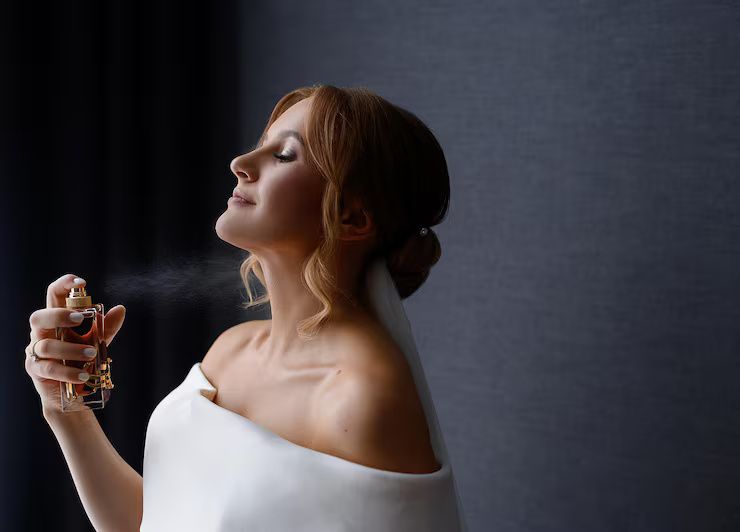
Application technique can also influence the experience. Perfume is commonly applied to areas such as the wrists, neck, or other pulse areas. Rubbing the wrists together immediately after application can alter how the fragrance develops by disturbing the applied layer.
For people who are sensitive to fragrance ingredients, reading labels and understanding individual reactions is particularly important. The U.S. Food and Drug Administration notes that some fragrance components can cause allergic reactions or sensitivities in certain individuals.
Recent Updates
Fragrance trends continue to change as consumers explore different scent profiles and ingredient concepts. Recent interest has included lighter compositions, gender-neutral fragrance descriptions, botanical-inspired accords, personalized fragrance preferences, and greater attention to ingredient transparency.
One significant regulatory development concerns fragrance allergen labeling in the European Union. Regulation (EU) 2023/1545 expanded the individual labeling requirements for certain fragrance allergens in cosmetic products. The European Commission states that products placed on the EU market before July 31, 2026, can continue to be made available during the transition period until July 31, 2028, under the applicable conditions.
This change may mean that consumers see more individual fragrance ingredients identified on cosmetic packaging. The presence of a listed allergen does not automatically mean that a product is unsafe. The purpose of individual labeling is to provide information that can help people who are already sensitized to particular substances identify them.
Another development is increased attention to cosmetic regulation and ingredient information in the United States. The Modernization of Cosmetics Regulation Act of 2022, commonly called MoCRA, introduced additional requirements affecting cosmetics regulation, including facility registration and product listing for applicable businesses.
Consumers can therefore expect fragrance discussions to increasingly include ingredient transparency, labeling, allergens, responsible formulation, and regulatory compliance alongside traditional topics such as fragrance families and longevity.
Laws or Policies
Perfume regulations differ between countries, so consumers should refer to the rules applicable in their location. In the United States, perfumes intended to make a person more attractive are generally regulated as cosmetics when they do not make therapeutic claims. FDA explains that perfume, cologne, and aftershave can fall within the cosmetic category.
U.S. cosmetic products are subject to the Federal Food, Drug, and Cosmetic Act and the Fair Packaging and Labeling Act. Retail cosmetics generally require an ingredient declaration, although fragrance and flavor compositions may, under U.S. labeling rules, be identified collectively as “Fragrance” or “Flavor” rather than listing every component individually.
Claims also matter. A cosmetic claim should be truthful and not misleading. If a fragrance product is promoted with claims that it treats or prevents disease or affects the body's structure or functions, it may fall under drug regulations as well as cosmetic requirements.
In the European Union, cosmetic products are governed by Regulation (EC) No 1223/2009. Fragrance allergens subject to restriction and labeling requirements are addressed through the relevant annexes, including the changes introduced by Regulation (EU) 2023/1545. The European Commission's CosIng database can provide information about cosmetic ingredients and their regulatory status, although the database itself does not determine whether an ingredient is legally permitted in every situation.
For consumers, the most practical regulatory steps are straightforward:
- Read the ingredient information available on the packaging.
- Follow the stated directions for use.
- Pay attention to warnings and precautions.
- Consider individual fragrance sensitivities.
- Check the applicable country's cosmetic regulations when researching specific ingredients.
Tools and Resources
Several resources can help people learn more about perfume, ingredients, and fragrance selection.
The FDA provides educational material covering fragrances in cosmetics, cosmetic labeling, allergens, and cosmetic regulations. These resources are useful for understanding the U.S. regulatory framework and general ingredient information.
For European cosmetic information, the European Commission's CosIng database provides ingredient-related information and references to the EU Cosmetics Regulation. It can be useful when researching individual cosmetic ingredients and their regulatory status.
A simple personal fragrance comparison table can also help when exploring different perfume profiles:
| Factor | Questions to Consider |
|---|---|
| Occasion | Is it professional, casual, formal, or social? |
| Weather | Is the environment hot, cold, humid, or dry? |
| Fragrance family | Do you prefer citrus, floral, woody, amber, or fresh scents? |
| Intensity | Should the scent remain subtle or be more noticeable? |
| Duration | How long does the fragrance remain noticeable on your skin? |
| Sensitivity | Are there ingredients you need to avoid? |
When testing a perfume, smelling it directly from a bottle or paper strip can provide an initial impression, but skin testing can provide additional information because body chemistry affects fragrance development. It is also useful to allow sufficient time between the first application and the final evaluation.
FAQs
What perfume is suitable for daytime use?
Fresh, citrus, green, aquatic, and lighter floral fragrances are commonly considered suitable for daytime settings. The appropriate choice depends on personal preference, weather, and the environment.
How should I choose perfume for a formal occasion?
Consider the location, duration, clothing, and expected level of fragrance intensity. A balanced floral, woody, or amber composition may work well for formal settings, but the choice remains subjective.
Does weather affect perfume?
Yes. Heat and humidity can increase fragrance diffusion, making some scents feel stronger. Cooler weather may make heavier or warmer fragrance profiles feel more noticeable and comfortable.
How long does perfume last?
Longevity varies according to formulation, concentration, skin chemistry, temperature, humidity, and application method. A fragrance that lasts several hours on one person may behave differently on another.
Should people with fragrance sensitivities check ingredients?
Yes. Checking available ingredient information can help people identify substances they already know they react to. The FDA notes that some fragrance ingredients may cause allergic reactions or sensitivities in certain individuals.
Conclusion
Perfume suggestions and advice are most useful when they focus on the occasion, environment, fragrance family, intensity, and individual preferences. Understanding notes, concentration, application, and ingredient information can make fragrance selection more informed and practical.
Different occasions do not require rigid fragrance rules. A thoughtful approach is to consider the setting, weather, personal comfort, and fragrance sensitivity before making a choice.
Current regulatory developments also make ingredient awareness increasingly relevant. Changes in European fragrance allergen labeling and continuing U.S. cosmetic regulation provide additional information for consumers researching perfume and cosmetic ingredients.
Ultimately, perfume is highly personal. Exploring different fragrance families and allowing scents to develop over time can provide a better understanding of individual preferences than relying solely on descriptions or trends.

Related Post...

High-Cut Brazilian Guide: Explore Swimwear Styles, Fit, Fabrics, and Design Features
Updated: October 10, 2026
Read More
Women’s Clothing Knowledge: Discover Textile Types, Clothing Designs, and Fashion Basics
Updated: October 09, 2026
Read More
Brazilian Bikini Suggestions Guide: Explore Style Variations, Materials, Sizing, and Care
Updated: October 02, 2026
Read More