Boho Clothing Insights into Artistic Fashion, Natural Fabrics, and Relaxed Outfit Ideas
Boho clothing is a fashion style influenced by artistic expression, cultural traditions, nature, and relaxed living. It combines flowing silhouettes, earthy colors, decorative patterns, and comfortable fabrics to create outfits that feel personal and expressive.
Exploring boho clothing provides useful insights into its history, essential garments, fabric choices, and changing fashion trends.
The bohemian fashion style includes dresses, loose trousers, embroidered tops, layered accessories, woven bags, and footwear inspired by natural textures. Understanding boho clothing basics can help beginners discover outfit ideas, learn about fabric characteristics, and develop a wardrobe that reflects their individual preferences.
Context of Boho Clothing
Boho clothing, short for bohemian clothing, describes a fashion approach that emphasizes individuality, artistic details, and relaxed silhouettes. Its development is associated with several historical influences, including nineteenth-century bohemian artistic communities, countercultural movements of the 1960s and 1970s, and traditional clothing from different regions.
The style does not follow one fixed set of rules. Instead, it brings together different textures, colors, patterns, and garment shapes. Common elements include embroidered blouses, long skirts, wide-leg trousers, crochet details, fringe, and flowing dresses.
Boho fashion also draws inspiration from natural landscapes. Shades such as terracotta, olive green, cream, brown, rust, and muted blue frequently appear in collections. Floral prints, geometric patterns, botanical designs, and handcrafted-looking decorations add visual interest.
Natural fabrics are another important part of the style. Cotton, linen, and hemp are valued for their distinctive textures and everyday comfort. Wool and silk may also appear in selected garments, depending on the climate, intended use, and design.
Although boho clothing often features natural materials, not every garment is made from plant or animal fibers. Synthetic blends can be used to change a fabric's durability, drape, texture, or care requirements.
Importance of Boho Clothing
Boho clothing matters because it gives people a flexible way to express their personal style. Rather than relying on closely matched garments, the approach encourages combinations of different shapes, textures, and accessories.
This flexibility can be useful for people who prefer comfortable outfits for everyday activities, travel, outdoor gatherings, creative environments, and informal social occasions.
Another important aspect is the relationship between clothing and material awareness. Learning about fabric composition, garment construction, and care instructions helps people understand how clothing may perform over time.
Boho fashion can also introduce wearers to traditional textile techniques, including embroidery, crochet, weaving, block printing, and decorative stitching. These techniques have different cultural histories and meanings, so understanding their origins helps encourage respectful appreciation.
Several practical considerations are useful when exploring this style:
Comfort: Loose silhouettes can support movement, although fit and fabric weight still matter.
Versatility: Neutral garments can be combined with patterned pieces for different outfits.
Personal expression: Accessories and layering create opportunities for individual styling.
Fabric knowledge: Understanding fiber composition helps with garment care and everyday use.
Wardrobe planning: Reusing garments in different combinations can extend their practical usefulness.
Boho clothing is not limited to one age group, body type, or gender. The style can be adapted through different garment lengths, fits, colors, and levels of decoration.
Recent Updates in Boho Fashion
Contemporary boho fashion combines familiar elements with modern silhouettes and changing preferences in textile design. Current interpretations may include vintage-inspired dresses, relaxed tailoring, textured knitwear, layered jewelry, and accessories with natural finishes.
One noticeable direction is the combination of bohemian details with minimalist clothing. For example, a simple linen shirt may be paired with a patterned skirt, or a neutral dress may be styled with a woven bag and understated jewelry.
Material transparency is another area of interest. Some clothing labels provide more information about fiber composition, manufacturing locations, and textile certifications. Such information can help readers assess product characteristics, although claims still need to be evaluated individually.
The following table summarizes common elements of modern boho clothing.
Fashion element | Common characteristics | Styling consideration |
|---|---|---|
Maxi dresses | Flowing shapes and floral prints | Suitable for relaxed daytime outfits |
Linen shirts | Textured fabric and breathable construction | Useful for warm-weather layering |
Wide-leg trousers | Loose cuts and comfortable movement | Pair with fitted or relaxed tops |
Crochet garments | Open-knit patterns and handmade appearance | Consider layering and fabric care |
Embroidered blouses | Decorative stitching and patterned details | Combine with simple bottoms |
Woven accessories | Natural-looking textures and structured shapes | Add contrast to plain outfits |
Earth-toned layers | Brown, cream, rust, and olive shades | Create coordinated color combinations |
Seasonal changes also influence boho outfit ideas. During warmer months, lightweight cotton, linen, and loose dresses are common choices. In cooler conditions, cardigans, textured jackets, scarves, and layered skirts can provide additional warmth.
However, fashion trends vary by region, climate, personal taste, and cultural context. No single combination represents the entire boho style.
Laws or Policies Affecting Boho Clothing
Clothing regulations vary between countries and depend on factors such as textile labeling, product safety, environmental claims, and intellectual property. Understanding these rules is useful for consumers, designers, manufacturers, and people researching the fashion industry.
In the United States, the Federal Trade Commission administers rules concerning textile labeling and advertising claims. The Textile Fiber Products Identification Act generally requires covered textile products to identify fiber content, the country of origin, and the responsible manufacturer or marketer, subject to applicable exceptions.
The Wool Products Labeling Act establishes additional labeling requirements for covered wool products. These rules help consumers understand the materials used in garments.
Environmental statements also require attention. Claims such as environmentally friendly, sustainable, or biodegradable should be supported by appropriate evidence. The FTC's Green Guides provide guidance on environmental marketing claims in the United States.
Other relevant considerations include:
Fiber labeling: Review the stated composition of cotton, linen, wool, silk, and synthetic blends.
Country of origin: Check applicable origin-labeling requirements for the market concerned.
Intellectual property: Textile prints, original illustrations, and distinctive designs may be protected by copyright or other legal rights.
Product safety: Applicable requirements can depend on garment type, intended wearer, and destination market.
Environmental claims: Look for specific, verifiable information rather than relying on broad sustainability statements.
In India, textile labeling and consumer protection requirements may apply under relevant laws and regulations, including provisions administered by the Bureau of Indian Standards and the Department of Consumer Affairs, depending on the product and transaction.
Rules differ across jurisdictions and may change. People working with clothing production or distribution should consult current official guidance relevant to their particular market.
Tools and Resources for Learning About Boho Clothing
Several resources can help beginners understand bohemian fashion, compare fabric characteristics, and plan practical outfits.
Useful starting points include:
Textile education materials: Learn about natural and synthetic fibers, fabric construction, shrinkage, and washing requirements.
Fashion history references: Explore the development of bohemian style and its connections to artistic movements.
Wardrobe planning worksheets: Record existing garments, colors, textures, and possible outfit combinations.
Fabric care labels: Check washing temperatures, drying instructions, ironing guidance, and fiber composition.
Textile certification directories: Investigate standards such as the Global Organic Textile Standard (GOTS) and OEKO-TEX, while checking the exact scope of each certification.
Fashion sketching tools: Experiment with garment silhouettes, color palettes, and accessory combinations before assembling an outfit.
A simple wardrobe-planning table can help organize ideas.
Category | Questions to consider |
|---|---|
Garments | Which dresses, tops, trousers, and skirts are already available? |
Colors | Which neutral and earthy shades work well together? |
Fabrics | Are the materials suitable for the local climate? |
Accessories | Which scarves, bags, belts, or jewelry complement the outfit? |
Care | What cleaning and storage methods do the garments require? |
When researching textile certifications, check whether the certification applies to the raw fiber, finished fabric, manufacturing facility, or complete product. Different standards cover different environmental, chemical, or social criteria, so one certification should not be assumed to prove every sustainability claim.
FAQs About Boho Clothing
What is boho clothing?
Boho clothing is a fashion style characterized by relaxed silhouettes, artistic details, layered textures, earthy colors, and decorative patterns. It draws inspiration from historical bohemian fashion and diverse textile traditions.
Which fabrics are commonly used in boho outfits?
Cotton, linen, hemp, wool, and silk can appear in boho garments. Synthetic fibers and blends are also used. The most suitable fabric depends on comfort, climate, garment construction, and care requirements.
How can beginners create a simple boho outfit?
Start with a comfortable dress, loose trousers, or a flowing skirt. Add a textured top, a woven accessory, or understated jewelry. Combining one patterned item with neutral pieces can create a balanced appearance without excessive layering.
Is boho fashion suitable for different seasons?
Yes. Lightweight fabrics and loose dresses are useful in warm conditions, while cardigans, jackets, scarves, and layered garments can provide warmth in cooler weather. Fabric weight and local climate should guide outfit choices.
How can someone identify responsible textile claims?
Read fiber labels, review available manufacturing information, and investigate relevant textile certifications. Check the scope of each certification and look for specific evidence supporting environmental claims rather than assuming that natural fibers automatically indicate sustainable production.
Conclusion
Boho clothing combines artistic expression, relaxed silhouettes, natural textures, and decorative details. Understanding its history, fabric choices, and styling principles helps people explore the fashion style in ways that suit their comfort, climate, and personal preferences.
A practical approach begins with familiar garments, coordinated colors, and thoughtful layering. Learning about textile care, labeling rules, and certification standards can also support more informed decisions about clothing materials and their characteristics.
Bohemian fashion continues to adapt through changing designs and individual interpretations. Its flexibility allows people to explore different outfit ideas without following a single rigid definition of style.

Related Post...

High-Cut Brazilian Guide: Explore Swimwear Styles, Fit, Fabrics, and Design Features
Updated: October 10, 2026
Read More
Women’s Clothing Knowledge: Discover Textile Types, Clothing Designs, and Fashion Basics
Updated: October 09, 2026
Read More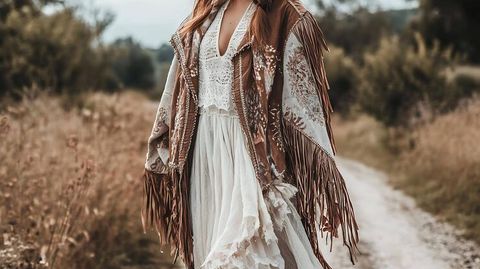
Boho Clothing Insights into Artistic Fashion, Natural Fabrics, and Relaxed Outfit Ideas
Updated: October 29, 2026
Read More