Estate Tax Guide: Federal Rules, Planning Strategies, and Inheritance Information
Estate tax is a federal tax that can apply to the transfer of a person's taxable estate after death. The estate generally includes assets and property owned or controlled by the deceased, subject to applicable deductions, exclusions, credits, and valuation rules.
The federal estate tax is separate from income tax and should also be distinguished from state-level estate or inheritance taxes.
For 2026, the federal basic exclusion amount is $15 million per individual, increased from $13.99 million for 2025. This means the federal estate-tax system generally applies only after considering the applicable exclusion and other adjustments.
Estate planning therefore involves more than calculating a potential tax bill. It can include decisions involving wills, trusts, beneficiary designations, property ownership, lifetime gifts, charitable transfers, business interests, insurance, and family succession.
Why Estate Tax Planning Matters
Estate planning can help organize how assets are managed during life and transferred after death.
Important planning objectives can include:
Understanding federal estate tax exposure
Coordinating beneficiary designations
Managing lifetime gifts
Planning for a surviving spouse
Organizing business interests
Protecting continuity of family assets
Preparing for potential state taxes
Coordinating trusts and wills
Reducing administrative complications
Documenting personal and financial wishes
Even estates that are not expected to owe federal estate tax may benefit from organized planning because estate administration can involve taxes, debts, property valuation, beneficiary issues, and legal documentation.
What Counts as an Estate?
For federal estate-tax purposes, the gross estate can include different categories of assets and interests.
Potential components include:
Real estate
Bank accounts
Investment accounts
Business interests
Retirement accounts
Life insurance interests
Personal property
Trust interests
Certain jointly owned property
Other financial or property interests
The exact treatment depends on ownership, beneficiary arrangements, valuation rules, and applicable federal law.
The IRS explains that the property owned by a decedent at death forms the estate and may be subject to federal estate tax.
2026 Federal Estate Tax Exemption
The most important federal estate-tax figure for 2026 is the $15 million basic exclusion amount.
| Tax Year | Basic Exclusion Amount |
|---|---|
| 2024 | $13.61 million |
| 2025 | $13.99 million |
| 2026 | $15 million |
The IRS confirms that the 2026 amount applies to estates of individuals who die during 2026.
The exclusion is not simply a separate tax-free inheritance amount received by beneficiaries. It is part of the federal estate and gift tax system and interacts with lifetime taxable gifts and the applicable credit.
How Federal Estate Tax Is Generally Calculated
A simplified estate-tax planning process can involve:
Determining the gross estate
Valuing assets according to applicable rules
Accounting for allowable deductions
Considering adjusted taxable gifts
Determining the taxable estate
Applying the applicable estate-tax rates
Applying available credits and exclusions
The actual Form 706 calculation can be considerably more complicated than this simplified outline.
This is why large or complex estates commonly require coordinated tax and legal planning.
Federal Estate Tax vs. Inheritance Tax
These terms are often confused.
Estate tax is generally imposed on the transfer of assets from a deceased person's estate.
Inheritance tax is generally a tax imposed by certain jurisdictions on the person receiving inherited property.
The federal government has an estate tax but does not impose a general federal inheritance tax on beneficiaries.
State rules can differ significantly. Some states have estate taxes, some have inheritance taxes, and some have neither.
Therefore, a retirement or estate plan should consider the laws of the state where the individual lives, owns property, or has other relevant connections.
Gift Tax and Estate Tax Connection
Federal gift and estate taxes are closely connected.
Lifetime taxable gifts can affect the amount of exemption available at death.
The IRS states that the 2026 basic exclusion amount is $15 million and that the lifetime generation-skipping transfer tax exemption is also $15 million for 2026.
This means estate planning cannot always focus exclusively on assets held at death.
Lifetime transfers can also influence the eventual estate-tax calculation.
2026 Annual Gift Tax Exclusion
For 2026, the annual gift-tax exclusion is $19,000 per recipient.
An individual can generally make qualifying gifts of up to $19,000 to each recipient during the calendar year without using the lifetime basic exclusion for those gifts.
For example, if a person makes qualifying annual-exclusion gifts to several individuals, the exclusion can apply separately to each recipient.
A gift above the annual exclusion does not automatically mean that gift tax must immediately be paid. Depending on the circumstances, a gift-tax return may be required and the excess can affect the individual's lifetime exemption.
Gift Splitting for Married Couples
Married couples may be able to use gift-splitting rules to treat certain gifts as made one-half by each spouse.
For 2026, two spouses could potentially apply the annual exclusion to a combined $38,000 per recipient, assuming the applicable requirements are met.
Gift-splitting rules have specific filing and eligibility requirements, so a gift-tax return may still be necessary even when no gift tax is ultimately due.
Lifetime Gifts as an Estate Planning Strategy
Lifetime gifting can be one component of an estate plan.
Potential objectives include:
Transferring assets to family members
Reducing the size of a future taxable estate
Supporting education
Funding certain family structures
Making charitable contributions
Transferring business interests
Using available gift-tax exclusions
However, transferring property can have income-tax, gift-tax, valuation, control, and asset-management consequences.
A gift strategy should therefore consider more than simply removing an asset from an estate.
Marital Deduction
Federal estate-tax rules generally provide important deductions for qualifying transfers to a surviving spouse.
The marital deduction can potentially allow qualifying property to pass to a spouse without current federal estate tax.
However, special rules can apply when the surviving spouse is not a U.S. citizen.
Estate plans for married couples may therefore involve wills, trusts, beneficiary designations, portability elections, and other coordinated arrangements.
Portability Between Spouses
Portability allows a surviving spouse to potentially use the deceased spouse's unused applicable exclusion amount.
The IRS explains that, beginning in 2011, an estate with a surviving spouse can elect to transfer unused exemption to the surviving spouse through a timely filed estate-tax return.
This is commonly called the deceased spousal unused exclusion amount, or DSUE.
Portability can be important because failing to make the appropriate election can affect the surviving spouse's future federal estate-tax position.
Trusts and Estate Planning
Trusts are commonly used in estate planning, but they serve different purposes.
Examples include:
Revocable living trusts
Irrevocable trusts
Credit shelter trusts
Marital trusts
Charitable trusts
Generation-skipping trusts
Special-purpose trusts
A revocable living trust, for example, can help organize property management and estate administration but does not automatically eliminate federal estate tax.
Irrevocable trusts can have different estate-tax consequences depending on their structure and the degree of control retained by the person establishing the trust.
Trust planning therefore requires careful legal and tax analysis.
Generation-Skipping Transfer Tax
The generation-skipping transfer tax, or GST tax, addresses certain transfers that skip a generation, such as transfers to grandchildren or more remote descendants.
The GST exemption is tied to the federal basic exclusion amount. For 2026, the IRS states that the GST exemption is $15 million.
GST planning can become particularly relevant when an estate involves:
Large family assets
Multigenerational trusts
Grandchildren
Family businesses
Long-term wealth transfers
Charitable Estate Planning
Charitable organizations can be incorporated into an estate plan through mechanisms such as:
Direct charitable bequests
Charitable trusts
Charitable foundations
Donor-advised structures
Charitable beneficiary designations
Qualifying charitable transfers can receive favorable treatment under federal estate-tax rules.
Charitable planning can therefore combine philanthropic objectives with broader estate and tax planning.
Life Insurance and Estate Planning
Life insurance can provide liquidity to beneficiaries or an estate.
Potential planning considerations include:
Death-benefit proceeds
Ownership of the policy
Beneficiary designation
Estate inclusion
Premium funding
Liquidity requirements
The tax treatment of life insurance depends on ownership and other facts. A policy should therefore be reviewed as part of the overall estate plan rather than considered separately.
Retirement Accounts and Inheritance
Retirement accounts can represent a significant portion of an individual's estate.
Important planning areas include:
Traditional IRA beneficiaries
Roth IRA beneficiaries
Employer retirement plans
Beneficiary designation forms
Required distributions
Spousal beneficiary rules
Non-spouse beneficiary rules
Income-tax consequences
Estate tax and income tax are separate issues.
An inherited retirement account may have income-tax consequences for the beneficiary even when the overall estate does not owe federal estate tax.
Basis and Inherited Property
The income-tax basis of inherited property is another important estate-planning consideration.
For many assets transferred at death, the tax basis is generally adjusted to the property's fair market value at the date of death, subject to applicable rules and exceptions.
This can affect the capital gain or loss recognized if the beneficiary later disposes of the property.
Because basis rules can vary according to the asset and circumstances, estate records should document acquisition information, valuation, improvements, and other relevant records.
Estate Valuation
Accurate valuation is important for estate-tax reporting.
Common valuation categories include:
Real estate
Publicly traded securities
Private companies
Partnership interests
Collectibles
Intellectual property
Closely held businesses
Publicly traded securities may be relatively straightforward to value, while private businesses and unique assets can require professional valuation.
Estate valuation can also affect gift-tax planning, charitable planning, and disputes among beneficiaries.
Family Business and Succession Planning
Business owners may face additional estate-planning issues.
A succession plan can address:
Ownership transfer
Management succession
Business valuation
Voting rights
Buy-sell agreements
Family ownership
Liquidity
Key-person considerations
Tax planning
A business can represent a large percentage of an estate, creating potential liquidity and ownership challenges.
Planning early can provide more time to document governance and transfer arrangements.
Estate Liquidity
An estate may have substantial wealth but limited liquid assets.
For example, much of the estate might consist of:
Real estate
Private business interests
Farm property
Investment property
Collectibles
Taxes, debts, administrative expenses, and other obligations may require liquidity.
Estate plans should therefore consider how expenses and taxes could be handled without forcing unfavorable asset transfers.
Estate Tax Filing: Form 706
Form 706 is the United States Estate (and Generation-Skipping Transfer) Tax Return.
For 2026 deaths, the federal filing threshold corresponds to the $15 million basic exclusion amount, subject to the applicable estate-tax rules and adjustments.
An estate may also file a federal estate-tax return even when no estate tax is ultimately payable, such as when a portability election is being made.
The filing requirements depend on the circumstances of the estate.
Form 709 and Lifetime Gifts
Form 709 is the United States Gift (and Generation-Skipping Transfer) Tax Return.
A gift-tax return may be required when certain lifetime transfers exceed the annual exclusion or when specific elections or reporting requirements apply.
The IRS states that a return generally must be filed when qualifying gifts to a person exceed the applicable annual exclusion, among other circumstances.
Filing a gift-tax return does not necessarily mean that the donor will owe gift tax.
Recent 2026 Updates
The federal estate-tax environment changed significantly for 2026.
The IRS confirms that the Working Families Tax Cuts legislation, enacted July 4, 2025, increased the basic exclusion amount to $15 million for 2026.
The IRS also confirms:
2026 estate-tax basic exclusion: $15 million
2026 annual gift exclusion: $19,000 per recipient
2026 GST exemption: $15 million
Estate-tax filing threshold for 2026 deaths: $15 million
Because estate and gift tax rules can change, planning documents should be periodically reviewed.
State Estate and Inheritance Taxes
Federal rules are only one part of estate planning.
Some states impose:
State estate taxes
State inheritance taxes
Both
Neither
State exemptions can also be considerably lower than the federal exemption.
Someone with an estate below the federal threshold may therefore still have potential state-level tax exposure.
Residency, property location, trust structure, and beneficiary relationships can all influence state treatment.
Practical Estate Planning Checklist
A basic estate-planning review can include:
Create or update a will
Review beneficiary designations
Review retirement accounts
Review life insurance policies
Inventory real estate
Document business interests
Review existing trusts
Organize financial records
Review lifetime gifts
Evaluate state estate-tax exposure
Consider portability where applicable
Review charitable intentions
Identify potential liquidity needs
Keep important documents accessible
Revisit the plan after major life events
Tools and Resources
IRS Estate and Gift Tax Resources
The IRS provides official information covering estate tax, gift tax, Form 706, Form 709, filing requirements, exemptions, and related rules.
IRS Publication 559
Publication 559 provides information for survivors, executors, and administrators dealing with estate administration, taxes, property, and filing responsibilities.
Estate Tax Forms
Form 706 is used for federal estate-tax reporting, while Form 709 is generally used for applicable lifetime gift-tax reporting.
State Tax Authorities
State revenue or taxation departments can provide information about state estate and inheritance tax rules.
FAQs
What is the federal estate tax exemption for 2026?
The federal basic exclusion amount is $15 million for individuals who die during 2026.
Is inherited money generally taxable as income to the beneficiary?
A beneficiary generally does not pay federal income tax simply because they receive an inheritance. However, income generated by inherited assets, certain retirement-account distributions, and other transactions can have separate tax consequences.
What is the 2026 annual gift-tax exclusion?
The annual exclusion is $19,000 per recipient for 2026. Certain rules and exceptions apply.
Does every estate need to file Form 706?
No. Many estates do not need to file a federal estate-tax return. However, filing can be required based on the estate's value and other factors, and a return may sometimes be useful for a portability election.
Can a surviving spouse use a deceased spouse's unused exemption?
Potentially. The surviving spouse can generally benefit from portability when the required election is properly made on a timely estate-tax return.
Conclusion
Estate tax planning is primarily about understanding how property, lifetime gifts, trusts, beneficiaries, tax exemptions, and family objectives interact.
For 2026, the federal basic exclusion amount is $15 million, while the annual gift-tax exclusion is $19,000 per recipient. These figures are important starting points, but they do not by themselves determine whether a particular estate will owe tax.
A complete estate plan can also involve wills, trusts, retirement accounts, life insurance, business interests, charitable planning, property valuation, liquidity, and state-level tax rules.
The most useful approach is to review the entire financial and legal structure periodically and update documents after major events such as marriage, divorce, births, deaths, business changes, relocation, or substantial changes in assets.

Related Post...

Tax Audit Guide: IRS Audits, Documentation, Tax Disputes, and Compliance
Updated: August 19, 2026
Read More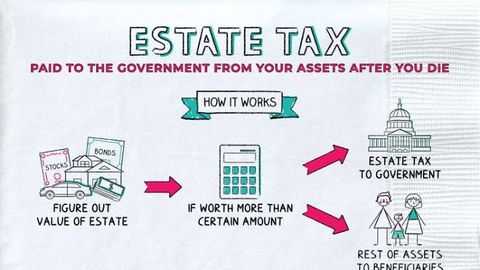
Estate Tax Guide: Federal Rules, Planning Strategies, and Inheritance Information
Updated: September 07, 2026
Read More
Property Tax Appeal Guide: Assessment Reviews, Valuation Evidence, and Filing Information
Updated: September 14, 2026
Read More