Electric Vehicles Guide: Battery, Charging and Technology
Electric vehicles are becoming an important part of modern transportation as governments, manufacturers, and consumers look for cleaner mobility solutions.
An electric vehicle uses electricity stored in a rechargeable battery instead of relying on a traditional internal combustion engine. Understanding electric vehicle battery systems, charging methods, and technology helps people make informed decisions about transportation.
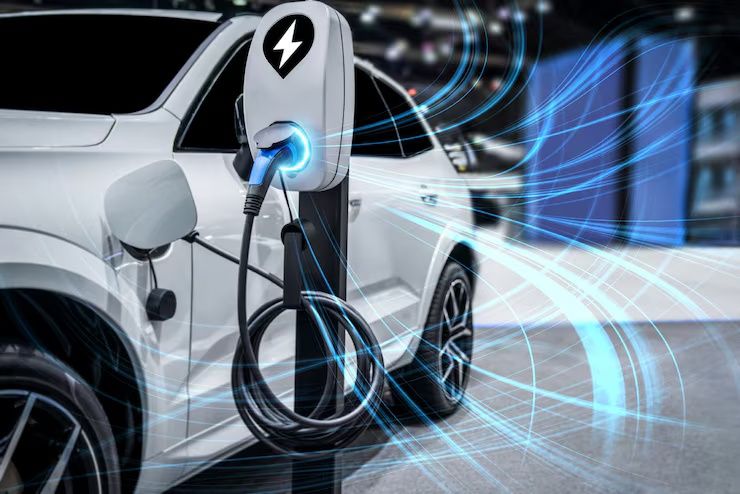
This Electric Vehicles Guide explains how electric vehicles work, why battery technology matters, how charging systems operate, and what recent developments have shaped the industry from 2024 to 2026. The article provides educational information in a simple and neutral format suitable for general readers.
Context
An electric vehicle (EV) is a vehicle powered fully or partly by electricity. Battery Electric Vehicles (BEVs) operate entirely on electricity, while Plug-in Hybrid Electric Vehicles (PHEVs) combine an electric motor with a fuel-powered engine. Both types use rechargeable batteries to store energy.
Electric vehicle technology has developed significantly over the past decade. Improvements in battery chemistry, charging infrastructure, and energy management systems have increased driving range, improved efficiency, and reduced charging time.
The primary purpose of electric vehicles includes:
- Reducing greenhouse gas emissions
- Improving energy efficiency
- Supporting cleaner transportation systems
- Reducing dependence on conventional fuels
Common Types of Electric Vehicles
| Vehicle Type | Power Source | Charging Required |
|---|---|---|
| Battery Electric Vehicle (BEV) | Rechargeable battery | Yes |
| Plug-in Hybrid Electric Vehicle (PHEV) | Battery and engine | Yes |
| Hybrid Electric Vehicle (HEV) | Engine with battery support | No external charging |
| Fuel Cell Electric Vehicle (FCEV) | Hydrogen fuel cell | Hydrogen refueling |
Importance
Electric vehicles affect individuals, businesses, governments, and the environment. As transportation contributes significantly to global emissions, many countries are encouraging cleaner vehicle technologies through infrastructure development and policy initiatives.
Battery technology plays a major role in determining vehicle range, efficiency, charging speed, and overall performance. Better batteries help improve reliability while supporting wider adoption of electric mobility.
Electric vehicles are important because they:
- Produce lower tailpipe emissions for fully electric models.
- Improve energy efficiency compared with many conventional vehicles.
- Support renewable energy integration through smart charging.
- Encourage innovation in battery recycling and energy storage.
- Help cities work toward long-term environmental goals.
The technology also benefits fleet operators, public transportation systems, delivery networks, and private vehicle owners by providing additional transportation options suited to different driving needs.
Recent Updates
Between 2024 and 2026, electric vehicle technology continued to advance rapidly across battery research, charging infrastructure, and software capabilities.
Battery Technology Advances
Manufacturers have continued developing higher energy-density batteries capable of increasing driving range while reducing charging times. Research into solid-state batteries has progressed, with pilot production and limited commercial introductions expected in selected markets.
Lithium iron phosphate (LFP) batteries have become more widely used because of their durability and thermal stability. Nickel-based battery chemistries also continue to improve for vehicles requiring longer driving distances.
Charging and Smart Technology
Charging networks expanded in many regions during 2024–2026. Faster DC charging stations became more common along highways and urban areas, making longer trips more practical.
Other notable developments include:
- Vehicle-to-Grid (V2G) technology testing
- Improved battery management systems
- AI-assisted energy optimization
- Wireless charging research
- Better battery health monitoring software
- Increased interoperability between charging networks
Many electric vehicles now receive software updates remotely, allowing manufacturers to improve efficiency, battery performance, and user features without requiring physical modifications.
Laws or Policies
Electric vehicle regulations differ by country, but several common policy areas influence adoption and safety.
Governments often establish standards covering battery safety, charging equipment, environmental compliance, and vehicle certification.
Examples of policy areas include:
- Vehicle safety regulations
- Battery transportation standards
- Charging connector standards
- Battery recycling requirements
- Environmental emission targets
- Consumer information and labeling rules
Several countries have introduced long-term transportation strategies that encourage cleaner mobility while supporting public charging infrastructure and battery recycling initiatives.
International organizations also contribute technical standards that improve compatibility between charging equipment and electric vehicles manufactured in different regions.
Before purchasing or operating an electric vehicle, individuals should review regulations published by their local transportation authority and environmental agencies.
Tools and Resources
Reliable information helps consumers understand electric vehicle technology more effectively. Several organizations publish educational materials, charging information, technical standards, and research reports.
Useful resources include:
- Government transportation departments
- National energy agencies
- Vehicle safety authorities
- Public charging network maps
- Battery recycling information portals
- Energy consumption calculators
Many online tools can help users estimate:
- Driving range under different conditions
- Charging time estimates
- Electricity consumption
- Carbon emission comparisons
- Route planning with charging locations
Manufacturers also provide battery health guidance, charging recommendations, and maintenance documentation through their official information portals.
FAQs
What is an electric vehicle battery?
An electric vehicle battery stores electrical energy used to power the vehicle's electric motor. Most modern EVs use lithium-ion battery technology because it provides good energy density and long operational life.
How long does EV charging usually take?
Charging time depends on battery size and charger type. Standard home charging generally takes several hours, while fast DC charging can recharge a significant portion of the battery in a much shorter period.
Does cold weather affect electric vehicle batteries?
Yes. Cold temperatures may temporarily reduce battery efficiency and driving range. Many modern electric vehicles include battery temperature management systems to improve performance under varying weather conditions.
What is regenerative braking?
Regenerative braking captures energy that would otherwise be lost during braking and returns part of it to the battery, improving overall energy efficiency.
Why is battery recycling important?
Battery recycling helps recover valuable materials such as lithium, nickel, cobalt, and copper. Proper recycling also supports environmental sustainability and reduces the demand for newly mined materials.
Conclusion
Electric vehicles continue to reshape modern transportation through advances in battery technology, charging systems, and intelligent energy management. Continuous innovation between 2024 and 2026 has improved efficiency, expanded charging infrastructure, and strengthened battery performance.
As technology continues to evolve, understanding electric vehicle batteries, charging methods, regulations, and available resources helps consumers make informed transportation decisions. Reliable information from trusted organizations remains valuable for following future developments in electric mobility.
Electric vehicles represent an evolving technology rather than a single solution for every transportation need. Continued research, supportive infrastructure, and responsible battery management will remain important parts of the industry's future development.

Related Post...

Sales and Service Management Software Basics for Business Process Management
Updated: October 21, 2026
Read More
ITSM Workflow Automation Basics for Understanding Digital IT Service Processes
Updated: October 23, 2026
Read More
Collaborative Robots Tips for Understanding Safe and Efficient Robotic Workflows
Updated: October 22, 2026
Read More