Home Jewellery Machine Business Auto Blog Furniture Education Fashion Tech Finance Health Software Real Estate Travel

Dubai Villa Buying Guide: Explore Property Features, Community Amenities & Expert Insights

Dubai has become one of the world's most recognized destinations for residential real estate, attracting homebuyers, investors, and expatriates seeking modern communities, high-quality infrastructure, and contemporary architectural designs. Among the many residential options available, villas remain a popular choice for individuals and families looking for spacious living environments, private outdoor areas, and access to community-focused amenities.

The city's villa developments reflect a combination of modern engineering, sustainable planning, and international architectural influences. From waterfront residences and golf communities to suburban family neighborhoods and smart home developments, Dubai offers a diverse selection of villa communities designed to accommodate different lifestyles and long-term housing preferences.

Understanding the features of villas, community planning concepts, ownership structures, legal considerations, and neighborhood amenities can help prospective buyers make informed decisions. This guide provides an educational overview of Dubai villa buying, focusing on property characteristics, community infrastructure, market concepts, and important considerations without promoting any specific developer or project.

Understanding Dubai's Residential Villa Market

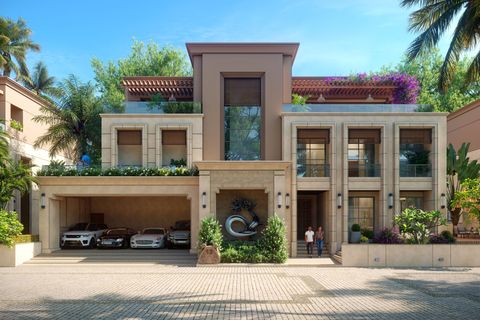
Dubai's residential market includes apartments, townhouses, villas, serviced residences, and mixed-use developments. Villas are generally characterized by independent structures that provide larger indoor spaces, private entrances, parking facilities, landscaped outdoor areas, and greater privacy compared to apartment living.

Villa developments are planned with supporting infrastructure that may include:

  • Landscaped parks
  • Community centers
  • Retail areas
  • Schools
  • Healthcare facilities
  • Walking and cycling tracks
  • Sports facilities
  • Recreational spaces

The variety of available communities allows buyers to consider different lifestyles, commuting preferences, and long-term residential goals.

What Is a Villa?

A villa is an independent residential property that typically occupies its own plot of land and provides greater privacy than attached housing options. Villas vary in architectural style, floor plans, plot size, and amenities depending on the community and developer.

Modern villas in Dubai often feature:

  • Multiple bedrooms
  • Spacious living areas
  • Private gardens
  • Covered parking
  • Outdoor terraces
  • Family entertainment spaces
  • Modern kitchens
  • Smart home infrastructure in selected developments

Designs range from contemporary minimalist architecture to Mediterranean, Arabic, and European-inspired styles.

Common Villa Configurations

Dubai offers villas in various sizes to accommodate different household requirements.

Popular configurations include:

  • Two-bedroom villas
  • Three-bedroom villas
  • Four-bedroom villas
  • Five-bedroom villas
  • Luxury multi-bedroom villas
  • Custom-built villas

Floor layouts, plot dimensions, and architectural styles vary across communities.

Architectural Design Trends

Dubai is known for adopting innovative architectural concepts while integrating sustainable construction practices.

Current design trends include:

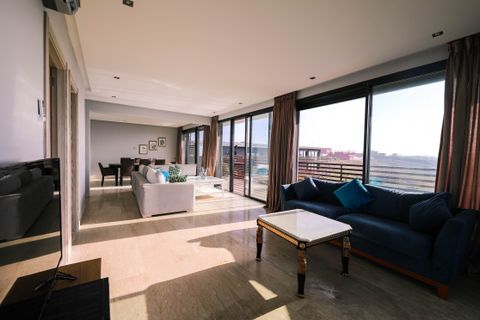
  • Open-plan interiors
  • Floor-to-ceiling windows
  • High ceilings
  • Natural lighting
  • Contemporary facades
  • Minimalist exterior designs
  • Smart home technology
  • Energy-efficient building materials
  • Outdoor entertainment areas
  • Rooftop terraces in selected developments

Many modern communities also incorporate environmentally conscious landscaping and water-efficient irrigation systems.

Property Features to Consider

When evaluating villas, buyers often compare several important property characteristics.

Plot Size

Plot size influences outdoor space, landscaping potential, parking, and future customization opportunities.

Built-Up Area

The built-up area represents the total constructed space, including living rooms, bedrooms, kitchens, staircases, and other enclosed areas.

Interior Layout

Efficient floor planning can improve functionality by separating living, dining, and private spaces while maximizing natural light.

Construction Quality

Construction quality includes materials, structural engineering, finishes, insulation, windows, doors, and overall workmanship.

Smart Home Features

Many newly developed villas include:

  • Smart lighting
  • Climate control systems
  • Security integration
  • Automated curtains
  • Digital access control
  • Mobile application connectivity

Technology availability varies by project.

Residential Community Amenities

Community infrastructure plays a major role in the overall living experience.

Common amenities include:

  • Community parks
  • Swimming pools
  • Fitness centers
  • Children's play areas
  • Sports courts
  • Cycling tracks
  • Walking trails
  • Community retail centers
  • Restaurants and cafés
  • Educational institutions
  • Healthcare facilities

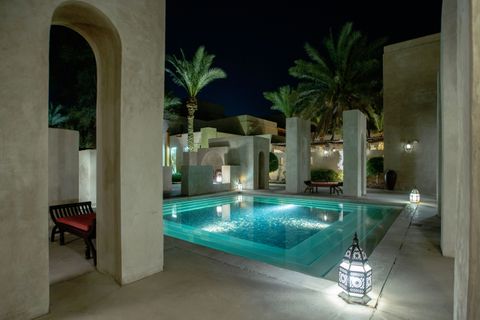
Some premium developments also feature golf courses, waterfront promenades, clubhouses, and wellness facilities.

Popular Types of Villa Communities

Dubai offers a wide range of residential environments.

Family Communities

These neighborhoods prioritize schools, parks, playgrounds, and convenient access to everyday services.

Golf Communities

Golf-oriented developments combine residential living with landscaped golf courses and recreational facilities.

Waterfront Communities

These communities offer proximity to beaches, canals, lakes, or waterfront promenades.

Gated Communities

Many villa developments provide controlled access, community management services, landscaped streets, and shared recreational amenities.

Mixed-Use Developments

Some communities integrate residential properties with retail, hospitality, entertainment, and commercial facilities.

Ownership Concepts

Dubai's property market includes different ownership structures depending on the location and applicable regulations.

General concepts include:

  • Freehold ownership
  • Leasehold ownership
  • Community management arrangements
  • Service charge structures
  • Property registration requirements

Applicable regulations vary depending on the specific property and governing authorities.

Location Considerations

Selecting a suitable location involves evaluating several factors:

  • Distance from workplaces
  • Access to public transportation
  • Road connectivity
  • Nearby schools
  • Healthcare services
  • Shopping centers
  • Community facilities
  • Future infrastructure development
  • Environmental surroundings

Location often influences long-term convenience and property appeal.

Sustainability and Smart Living

Many newer developments emphasize sustainable construction and resource-efficient technologies.

Examples include:

  • Solar-ready infrastructure
  • Energy-efficient lighting
  • Water-saving fixtures
  • Smart irrigation systems
  • Green building materials
  • Electric vehicle charging support
  • Waste management initiatives

These features contribute to environmentally conscious community planning.

Property Documentation

Understanding documentation requirements is an important part of the buying process.

Typical documentation may include:

  • Property title documents
  • Identification records
  • Sale agreements
  • Registration documentation
  • Community information
  • Maintenance details
  • Developer documentation

Documentation requirements vary according to applicable regulations and property type.

Maintenance Considerations

Long-term property ownership involves ongoing maintenance planning.

Common considerations include:

  • Exterior maintenance
  • Landscaping
  • Roofing inspections
  • HVAC servicing
  • Plumbing systems
  • Electrical inspections
  • Security system maintenance
  • Community service charges where applicable

Regular maintenance helps preserve property condition and functionality.

Market Trends

Dubai's villa market continues to evolve through:

  • Smart community developments
  • Sustainable construction
  • Premium residential neighborhoods
  • Mixed-use master planning
  • Digital property management
  • Smart home integration
  • Improved transportation connectivity
  • Lifestyle-focused community design

These trends reflect changing residential preferences and technological advancements.

Helpful Learning Resources

Readers interested in learning more about Dubai's residential property market may explore:

  • Dubai property regulations
  • Urban planning publications
  • Residential architecture resources
  • Sustainable housing guides
  • Community planning studies
  • Real estate market reports
  • Property ownership information from relevant authorities

Frequently Asked Questions

What is a villa?

A villa is an independent residential property built on its own plot of land, typically offering larger living spaces, private outdoor areas, and greater privacy than apartments.

What features are commonly found in Dubai villas?

Common features include multiple bedrooms, spacious interiors, private gardens, covered parking, outdoor terraces, modern kitchens, and, in some developments, smart home technology.

What community amenities are often available?

Many villa communities include parks, swimming pools, fitness centers, retail areas, schools, healthcare facilities, cycling tracks, and recreational spaces.

What ownership options exist?

Depending on the location and applicable regulations, ownership structures may include freehold or leasehold arrangements.

Why is location important?

Location influences accessibility, nearby amenities, transportation options, educational facilities, healthcare access, and long-term residential convenience.

How are modern villas becoming more sustainable?

Many new developments incorporate energy-efficient construction materials, smart home systems, water-saving technologies, and environmentally conscious landscaping.

Conclusion

Dubai's villa market offers a diverse range of residential options that combine modern architecture, thoughtfully planned communities, and advanced infrastructure. From family-oriented neighborhoods and waterfront developments to golf communities and smart residential projects, buyers have access to a wide variety of property styles and amenities.

Understanding property features, ownership concepts, community infrastructure, sustainability initiatives, and maintenance considerations helps prospective buyers make informed decisions. As Dubai continues to invest in innovative urban development and smart city initiatives, villa communities are expected to evolve further, offering enhanced living environments and modern residential experiences.

Disclaimer

This article is intended solely for educational and informational purposes. It provides a general overview of Dubai villa features, residential communities, and property concepts. It does not constitute financial, legal, investment, or real estate advice, nor does it promote or recommend any specific property, developer, or project. Readers should consult relevant authorities and qualified professionals for guidance related to individual property decisions.


author-image

Lavit

Our content is designed to attract, persuade, and convert your audience. We help brands grow through strategic, audience-first writing.

July 15, 2026 . 9 min read

Business