Discover Smart-Lift Coffee Table Designs That Blend Comfort and Convenience
Smart-lift coffee tables are modern furniture pieces designed with adjustable tabletop mechanisms that allow the surface to rise from its usual position to a higher, more practical height. These tables combine the familiar function of a living room coffee table with features that support activities such as working on a laptop, writing, reading, or eating while seated on a sofa.
Traditional coffee tables generally remain at a fixed height. A smart-lift coffee table introduces flexibility through mechanical hinges, spring-assisted supports, gas-lift components, or electric lifting systems. Some models also include concealed storage compartments, drawers, shelves, or expandable surfaces.
The term “smart-lift” does not always mean that a table contains electronic technology. Many designs use manual lifting mechanisms, while more advanced versions incorporate powered adjustment or connected controls. Understanding these differences helps people evaluate which design is appropriate for their home.
Common Smart-Lift Coffee Table Designs
Several designs are available for different room layouts and everyday activities.
Manual lift-top tables: The tabletop rises through a hinged mechanism operated by hand.
Gas-assisted lift tables: Gas springs help raise and lower the surface with reduced physical effort.
Electric lift coffee tables: A motor adjusts the tabletop height, sometimes through a button or remote control.
Convertible dining tables: The surface rises and may expand to accommodate meals or shared activities.
Storage-focused lift tables: A concealed compartment beneath the tabletop holds household items.
Multifunctional coffee tables: Designs may combine adjustable surfaces with drawers, charging features, or modular components.
The most appropriate option depends on available space, intended use, lifting capacity, stability, and ease of maintenance.
Why Smart-Lift Coffee Tables Matter Today
Modern homes often need furniture that can support several activities without occupying additional floor space. Apartments, compact living rooms, studio homes, and multipurpose rooms can benefit from adjustable furniture because one surface can serve several functions throughout the day.
A lift-top table can provide a more convenient working height than a low coffee table. It may also reduce the need to move a laptop, notebook, or meal between separate pieces of furniture. However, its ergonomic suitability depends on the user's height, seating position, and the table's adjustment range.
Space Efficiency and Everyday Functionality
Multifunctional furniture is particularly relevant where rooms must accommodate relaxation, remote work, hobbies, and occasional dining.
Smart-lift coffee tables can help with:
Creating a temporary work surface in a living room.
Keeping magazines, remotes, stationery, and accessories in concealed storage.
Supporting meals or activities while seated on a sofa.
Reducing the need for several separate furniture pieces.
Adapting a shared living area to changing household routines.
These benefits are not automatic. A table with a large base or extended tabletop may still occupy considerable floor space, so dimensions and clearance should be assessed before selecting a design.
Who Can Benefit From These Designs?
Smart-lift coffee tables may suit remote workers, students, apartment residents, families, and people who prefer flexible living spaces. Households with children should pay particular attention to moving joints, pinch points, tabletop weight, and locking mechanisms.
People with mobility limitations may find an appropriately adjusted surface easier to reach than a low table. Nevertheless, a lift-top design is not automatically accessible or suitable for every user. The tabletop's height, operating force, stability, and control placement should be evaluated individually.
Recent Trends in Smart-Lift Coffee Table Designs
Furniture design in 2025 and 2026 has increasingly emphasized multifunctionality, flexible living spaces, natural materials, and understated contemporary styling. Smart-lift coffee tables fit these broader design directions because they combine adjustable surfaces with practical storage and adaptable layouts. These are general design trends rather than evidence that every style is growing at the same rate.
Popular Design Directions in 2026
Several features are relevant when exploring modern lift-top coffee table designs.
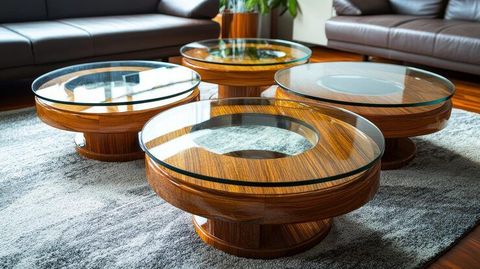
Warm wood finishes: Walnut tones, natural oak, and visible wood grain complement contemporary and traditional interiors.
Rounded edges: Oval and rounded rectangular tabletops soften the appearance of living rooms.
Mixed materials: Wood, metal, glass, and stone-look surfaces create different visual styles.
Concealed storage: Compartments beneath lifting tabletops help organize everyday items.
Minimalist mechanisms: Designs increasingly emphasize discreet hardware and simple exterior forms.
Motorized adjustment: Electrically operated tables provide an alternative to manual lift mechanisms for people who prefer powered movement.
Manual Versus Electric Lift Mechanisms
Manual mechanisms generally have fewer electrical components, while motorized designs require a power source and additional controls. Electric systems may provide convenient height adjustment, but their suitability depends on the mechanism's reliability, noise, load capacity, and maintenance requirements.
Feature | Manual lift-top | Electric lift-top |
|---|---|---|
Operation | Hand-operated | Motorized |
Power requirement | Usually none | Usually electricity |
Adjustment | Depends on mechanism | Controlled powered movement |
Maintenance | Hinges, springs, and joints | Mechanical and electrical components |
Typical use | Everyday home activities | Frequent adjustment and technology-focused interiors |
Neither type is automatically better. The choice depends on the frequency of use, operating effort, room layout, and household preferences.
Laws, Safety Standards, and Furniture Policies
Smart-lift coffee tables are affected by general product safety requirements, material regulations, electrical safety rules where applicable, and consumer protection laws. Requirements vary by country, and not every furniture standard is mandatory in every market.
Furniture Safety in India
In India, furniture manufacturers and importers should consider applicable product safety requirements, consumer protection rules, material safety, and relevant standards issued by the Bureau of Indian Standards (BIS).
The Consumer Protection Act, 2019, establishes a framework for consumer rights and protection against unfair trade practices. Product descriptions should accurately represent a table's dimensions, materials, features, load capacity, and operating mechanism.
Where electrical lifting systems are used, applicable electrical safety requirements should also be evaluated. Whether a particular certification or standard is mandatory depends on the product category and current regulations.
Important Safety Considerations
When evaluating a lift-top table, check the following:
Load capacity: Confirm the maximum permitted weight on the raised tabletop.
Pinch-point protection: Look for mechanisms that reduce the risk of trapping fingers.
Stability: The table should remain balanced during lifting and lowering.
Controlled movement: Hinges, springs, or motors should prevent unexpected movement.
Electrical protection: Powered models should have suitable wiring, controls, and protective features.
Material quality: Finishes and structural materials should be appropriate for indoor furniture use.
Keep children away from moving joints and never place hands beneath a raised tabletop while it is being lowered. Follow the manufacturer's instructions for assembly, loading, and maintenance.
Tools and Resources for Choosing a Smart-Lift Coffee Table
Planning tools can help homeowners compare furniture dimensions, evaluate layouts, and determine whether an adjustable table will suit their daily activities.
Room Planning and Measurement Tools
Room measurement apps: Help record room dimensions and furniture placement.
Interior design software: Allows users to create room layouts and visualize different table shapes.
Augmented reality furniture planners: Some applications let users preview furniture proportions within a room.
Furniture dimension worksheets: Help compare tabletop length, width, height, and clearance requirements.
Maintenance checklists: Provide a record of inspections, loose fittings, unusual noises, and mechanism performance.
Practical Measurements to Consider
A coffee table should complement the sofa rather than obstruct movement. The following values are general planning guidelines, not mandatory furniture standards.
Measurement | General planning guideline |
|---|---|
Table length | Approximately two-thirds of sofa length |
Sofa-to-table clearance | Around 30–45 cm |
Standard tabletop height | Often close to sofa seat height or slightly lower |
Raised tabletop height | Should suit the intended seated activity |
Walking clearance | Allow enough room for comfortable movement |
Actual dimensions should be adjusted to the sofa, room size, and intended use. For laptop work, check the relationship between the raised surface, seated elbow height, and screen position.
Frequently Asked Questions
What is a smart-lift coffee table?
A smart-lift coffee table has an adjustable tabletop that rises from a low coffee-table position to a higher working or dining position. Depending on the design, it may use manual hinges, gas-assisted supports, or an electric motor.
Are lift-top coffee tables suitable for small apartments?
They can be useful in compact homes because one piece of furniture can support several activities. However, the table's footprint, storage compartment, raised dimensions, and movement clearance should be considered before selecting a design.
Which is better: a manual or electric lift-top coffee table?
A manual model may suit households seeking a straightforward mechanism without electrical components. An electric model may be preferable when frequent height adjustments or reduced manual effort are priorities. Reliability, safety features, maintenance, and intended use should guide the decision.
What materials are commonly used in smart-lift coffee tables?
Common materials include solid wood, engineered wood, metal frames, tempered glass, and stone-look surfaces. The mechanism may contain steel hinges, springs, or motorized components. Material selection influences durability, appearance, weight, and maintenance requirements.
How should a smart-lift coffee table be maintained?
Inspect hinges, screws, springs, and moving joints periodically. Keep the mechanism clean, avoid exceeding its specified load capacity, and follow the manufacturer's care instructions. Powered models should also be checked for damaged cables, unusual noises, or inconsistent movement.
Conclusion
Smart-lift coffee table designs combine adjustable functionality with contemporary furniture styling. They can help households make better use of living room space by creating a flexible surface for working, reading, dining, and everyday activities.
Manual and electric mechanisms serve different needs, while materials such as wood, metal, glass, and engineered surfaces offer a range of design possibilities. Features such as concealed storage, rounded edges, and compact proportions can further influence usability.
The most suitable design balances appearance, room dimensions, lifting performance, stability, and maintenance requirements. By evaluating these factors alongside applicable product safety guidelines, households can make informed decisions about multifunctional furniture for modern living spaces.

Related Post...
Discover Smart-Lift Coffee Table Designs That Blend Comfort and Convenience
Updated: October 26, 2026
Read More
Guide to Choosing Bold Color Dining Sets for Stylish Home Interiors
Updated: October 26, 2026
Read More
Explore Personalized Bedroom Furniture Ideas for Comfort, Style, and Space Optimization
Updated: October 26, 2026
Read More