A Jaw Crusher is commonly used at this early stage because it can handle large pieces of material and break them into smaller fragments.
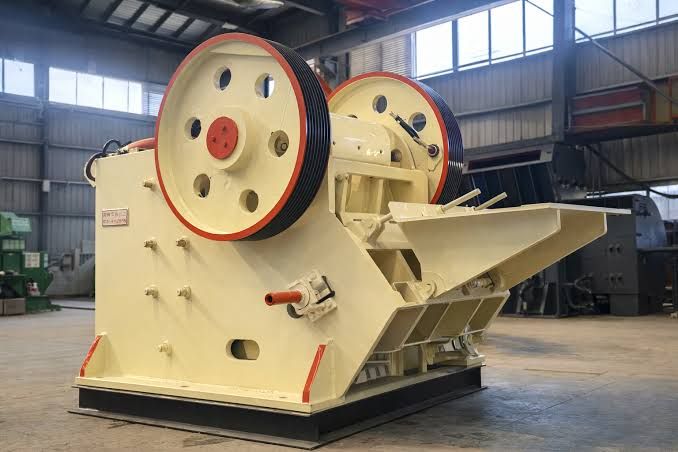
However, crushing capacity depends on more than the machine's motor power. The size of the crushing chamber, jaw movement, discharge opening, material properties, and feeding conditions all influence how much material can be processed within a given period.
Understanding these design factors helps operators and plant managers select suitable equipment, plan production, and identify reasons for reduced output. This guide explains how jaw crusher design affects crushing capacity and what practical considerations influence its operation.
What Is a Jaw Crusher?
A jaw crusher is a machine that reduces material through compression. It typically contains two crushing plates, known as jaws. One jaw remains stationary, while the other moves toward and away from it.
As material enters the space between the jaws, the moving plate compresses the rock against the stationary plate. The material fractures into smaller pieces and gradually moves downward through the crushing chamber. Once the fragments become small enough to pass through the discharge opening, they leave the machine.
Jaw crushers are commonly used for primary crushing, where large rocks must be reduced before further processing. They can handle many types of rock, including granite, limestone, basalt, and other materials, although machine settings and performance vary with material hardness and structure.
Their relatively straightforward operating principle makes them suitable for different industrial environments. Still, the machine must be matched to the material, feed size, and required output.
Main Design Features That Influence Crushing Capacity
1. Feed Opening Size
The feed opening is the entrance through which material enters the crushing chamber. Its dimensions influence the maximum size of rock that the machine can accept.
A larger opening can accommodate larger feed material, which may reduce the need for additional size reduction before primary crushing. However, a large opening does not automatically mean higher production. The machine must also have sufficient power, suitable jaw movement, and a discharge arrangement that allows crushed material to leave efficiently.
Operators should consider the largest expected rock size and the typical distribution of incoming material. Oversized rocks can block the feed area, interrupt production, and create safety risks during clearing.
2. Crushing Chamber Geometry
The crushing chamber is the space between the stationary and moving jaws. Its shape affects how material moves through the machine and how compression is applied.
A well-matched chamber design helps material move downward while undergoing repeated compression. If the chamber geometry is unsuitable for the feed material, rocks may become trapped, move inefficiently, or require more energy to reach the desired size.
Chamber design also affects the relationship between feed size and product size. Different jaw profiles and chamber configurations may be appropriate for different applications, so selection should reflect the intended operating conditions.
3. Jaw Plate Design
Jaw plates are the surfaces that contact and compress the material. Their profiles may include ridges or other surface patterns designed to improve grip and guide rocks through the chamber.
The jaw profile influences how material is held during compression. If the plates cannot grip the feed effectively, some material may slip instead of being crushed efficiently.
Jaw plates also experience substantial wear. As their profiles change, material movement and crushing behavior may change as well. Regular inspection helps determine when plates need to be turned, adjusted, or replaced according to the manufacturer's instructions.
The plate material should also suit the type of rock being processed. Hard, abrasive material can accelerate wear, while unsuitable plate selection may increase maintenance requirements.
4. Jaw Movement and Stroke
The moving jaw follows a defined motion that creates compression within the chamber. The distance it travels during each cycle is commonly referred to as the stroke.
Jaw movement influences how much material is compressed and how crushed fragments move toward the discharge opening. The relationship between stroke, operating speed, and chamber geometry affects the machine's overall performance.
A suitable combination helps maintain consistent crushing action. However, simply increasing movement or speed does not always improve output. Excessive operating speed may affect material flow, increase wear, or place additional demands on mechanical components.
The machine should therefore operate within its specified range rather than being adjusted beyond its intended design.
How the Discharge Setting Affects Output
The discharge opening, often called the closed-side setting, determines the gap between the jaws at the point of closest approach. This setting has a direct influence on the size of the discharged material.
A smaller setting generally produces a finer product, but it may also reduce throughput and increase the load on the machine. A wider setting allows larger fragments to pass through, which can increase the amount discharged under suitable conditions but may not meet the required product specifications.
Operators must balance product size with processing capacity. If the final material must meet a specific size range, the discharge setting should be chosen according to that requirement and the characteristics of the feed.
The correct setting also depends on the crusher's design and the manufacturer's operating guidance. Measurements should be taken using approved procedures while following the required safety precautions.
Material Properties and Their Effect on Crushing
Not all rocks behave in the same way under compression. Material hardness, strength, abrasiveness, moisture, and natural fracture patterns influence crushing performance.
Hard rock may require more energy to break than softer material. Highly abrasive rock can wear jaw plates and other components more quickly, while rocks with natural fractures may break differently from dense, uniform material.
Moisture and clay content can also affect material flow. Sticky material may build up in parts of the feed or discharge area, reducing the effective opening and disrupting production.
Understanding the feed material helps operators select suitable equipment and operating settings. Where material conditions vary, monitoring output and inspecting the crushing chamber can reveal changes that require attention.
Feed Rate and Material Distribution
Even a well-designed Jaw Crusher may perform poorly when it is fed incorrectly. A consistent supply of appropriately sized material helps the machine maintain a stable operating load.
If too much material enters at once, the chamber may become overloaded. This can cause blockages, reduce material movement, or trigger protective shutdowns. Feeding too slowly, on the other hand, may leave available crushing capacity unused.
Material should also be distributed appropriately across the feed opening. Uneven loading can concentrate wear on one side of the jaw plates and create inconsistent crushing conditions.
Feeders and conveyor systems help regulate the flow of material into the crusher. Their capacity should be coordinated with the crusher and the equipment used in later processing stages.
Motor Power and Mechanical Design
The drive system supplies the energy needed to compress rock. Motor power, transmission components, bearings, and the crusher's structural design all contribute to reliable operation.
A motor must be suitable for the expected load and operating conditions. However, a higher power rating alone does not determine production capacity. If the chamber is poorly matched to the feed or the discharge opening restricts material flow, additional power may not produce a proportional increase in output.
Mechanical components must also withstand repeated loading and vibration. Correct lubrication, alignment, fastening, and inspection help reduce unnecessary wear and prevent avoidable interruptions.
The complete crushing system should be evaluated as a unit, including the motor, feeder, crusher, conveyors, and any downstream screening equipment.
Maintenance Practices That Support Capacity
Wear and maintenance conditions can gradually affect crushing performance. Worn jaw plates may reduce grip, while damaged bearings, loose fasteners, or inadequate lubrication can increase vibration and mechanical stress.
Routine inspections should cover jaw plates, mounting points, bearings, drive components, lubrication systems, and protective devices. Operators should also monitor unusual sounds, temperature changes, and variations in output.
Before inspection, clearing, or repair, the equipment must be shut down and isolated according to established safety procedures. Stored energy and unexpected movement can create serious hazards.
Maintenance records help identify recurring issues and support planned replacement of wear components. Following the manufacturer's maintenance schedule can also help maintain predictable operating conditions.
How to Evaluate Crushing Capacity
Crushing capacity is commonly expressed as the quantity of material processed per unit of time, such as tonnes per hour. Actual output depends on several interacting factors rather than one design feature alone.
When evaluating a Jaw Crusher, operators should consider:
Feed characteristics: Maximum size, hardness, moisture, and material distribution.
Required product size: The discharge setting and any downstream sizing requirements.
Operating conditions: Feed rate, jaw movement, and machine load.
Equipment condition: Jaw plate wear, lubrication, and mechanical integrity.
System coordination: Whether feeders, conveyors, and screens can handle the resulting material flow.
Comparing actual output with the manufacturer's stated capacity can help identify operational limitations. Such comparisons should use similar material conditions and clearly defined measurement methods.
Conclusion
Jaw crusher design influences crushing capacity through feed opening dimensions, chamber geometry, jaw plate profiles, jaw movement, and discharge settings. Material properties, feed consistency, motor capability, and maintenance condition also affect how efficiently the machine processes rock.
A suitable crusher configuration must balance throughput, product size, equipment wear, and operating requirements. By monitoring material flow, following technical specifications, and maintaining mechanical components, operators can better understand production performance and identify opportunities to improve crushing operations.