Dental Chair Buying Guide: Explore Features, Ergonomics & Selection Factors
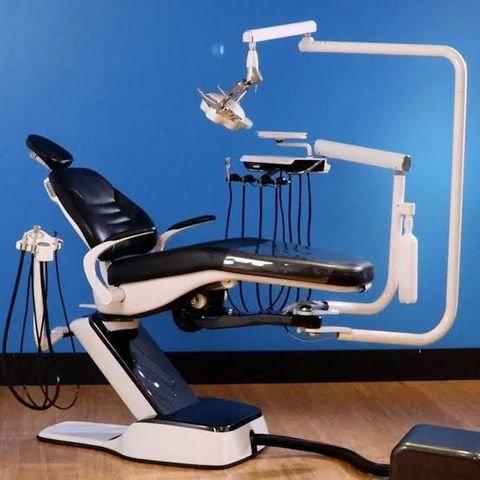
A dental chair is one of the most important pieces of equipment in a dental practice. It serves as the primary workspace where patients receive examinations, preventive care, restorative treatments, and various dental procedures. Modern dental chairs are designed to improve patient comfort, support ergonomic working positions for dental professionals, and integrate essential clinical equipment into a single workstation.
Today's dental chairs incorporate advanced positioning systems, programmable controls, LED operating lights, digital displays, delivery units, infection-control features, and integrated imaging compatibility. Choosing an appropriate dental chair requires evaluating clinical requirements, patient comfort, available space, ergonomic design, and long-term maintenance considerations.
This guide explains the major features, technologies, ergonomic principles, and selection factors that can help readers better understand modern dental chairs.
What Is a Dental Chair?
A dental chair is a specialized medical chair designed to position patients comfortably while providing dental professionals with convenient access to the oral cavity during diagnosis and treatment.
Unlike standard seating, dental chairs are engineered to support:
- Multiple reclining positions
- Height adjustment
- Headrest positioning
- Patient stability
- Integrated clinical equipment
- Ergonomic treatment workflows
Importance of Dental Chairs
Modern dental chairs contribute to:
- Improved patient comfort
- Better treatment accessibility
- Enhanced clinical efficiency
- Reduced operator fatigue
- Better workflow organization
- Support for various dental procedures
Major Components
A typical dental chair system may include:
- Patient chair
- Base unit
- Chair control system
- Adjustable headrest
- Backrest
- Footrest
- Delivery unit
- Instrument tray
- Operating light
- Assistant unit
- Cuspidor
- Suction system
Chair Structure
The structural framework is designed to provide:
- Stability
- Smooth movement
- Load support
- Long-term durability
- Quiet operation
Robust construction contributes to reliable clinical performance.
Ergonomic Design
Ergonomics is a major consideration when selecting a dental chair.
Important ergonomic features include:
- Adjustable working height
- Proper patient positioning
- Easy access for clinicians
- Reduced back strain
- Comfortable operator posture
- Flexible chair movement
Well-designed ergonomics can improve treatment efficiency and reduce physical fatigue.
Patient Comfort
Patient comfort plays a significant role in the treatment experience.
Comfort features may include:
- High-density cushioning
- Soft upholstery
- Adjustable backrest
- Comfortable armrests
- Smooth reclining motion
- Quiet motor operation
Comfortable patients often experience reduced anxiety during procedures.
Positioning System
Dental chairs generally support multiple movement functions such as:
- Upright position
- Reclined position
- Trendelenburg positioning (where applicable)
- Height adjustment
- Backrest adjustment
- Headrest positioning
These adjustments allow clinicians to optimize access during different procedures.
Adjustable Headrest
Modern headrests are designed to:
- Support various patient heights
- Improve neck positioning
- Enhance visibility
- Increase treatment precision
Some chairs offer double-articulating headrests for additional flexibility.
Chair Controls
Dental chairs commonly include:
- Touch controls
- Foot controls
- Programmable memory positions
- Automatic return functions
- Safety stop mechanisms
Programmable positions help reduce setup time between patients.
Delivery Unit
The delivery unit organizes essential clinical instruments.
It may support:
- Air turbine handpieces
- Electric micromotors
- Air-water syringe
- Ultrasonic scaler
- Curing light
- Additional accessory connections
Instrument placement is designed for efficient workflow.
Operating Light
LED operating lights provide:
- Bright illumination
- Shadow reduction
- Adjustable intensity
- Color consistency
- Lower energy consumption
Proper lighting improves visibility during dental procedures.
Assistant Unit
The assistant unit may include:
- High-volume suction
- Saliva ejector
- Instrument holder
- Assistant controls
- Tray support
This improves teamwork and clinical efficiency.
Cuspidor System
Many dental chairs incorporate a cuspidor that provides:
- Patient rinsing
- Water dispensing
- Bowl flushing
- Easy cleaning
Modern systems often include automated cleaning functions.
Suction System
Integrated suction supports:
- Saliva removal
- Water evacuation
- Debris collection
- Improved visibility during procedures
Effective suction contributes to cleaner treatment environments.
Upholstery Materials
Dental chair upholstery is commonly designed for:
- Easy cleaning
- Chemical resistance
- Tear resistance
- Patient comfort
- Infection control
Smooth, seamless surfaces simplify routine disinfection.
Infection Control Features
Modern chairs may include:
- Seamless upholstery
- Touch-free controls
- Removable components
- Easy-to-clean surfaces
- Disinfection-compatible materials
- Waterline management systems
These features support routine hygiene protocols.
Electric vs Hydraulic Systems
Electric Chairs
Advantages may include:
- Quiet operation
- Smooth positioning
- Precise movement
- Programmable controls
Hydraulic Chairs
Often provide:
- Strong lifting capacity
- Stable operation
- Reliable mechanical performance
The preferred system depends on clinical requirements and maintenance preferences.
Digital Integration
Many contemporary dental chairs support:
- Digital imaging systems
- Intraoral cameras
- Patient monitors
- Practice management software
- Electronic records
- Diagnostic equipment
Digital integration improves workflow and information access.
Mobility and Accessibility
Good accessibility includes:
- Easy patient entry
- Comfortable exit
- Wheelchair transfer support (where applicable)
- Adjustable seating height
- Wide chair movement range
Accessibility benefits both patients and practitioners.
Noise Levels
Quiet operation contributes to:
- Improved patient comfort
- Reduced anxiety
- Better clinical environment
- Professional treatment experience
Modern electric motors generally operate with minimal noise.
Space Requirements
Before selecting a dental chair, practices should consider:
- Room dimensions
- Instrument placement
- Operator movement
- Assistant workspace
- Patient access
- Utility connections
Proper planning helps optimize clinic layout.
Maintenance Considerations
Routine maintenance may involve:
- Cleaning upholstery
- Inspecting moving components
- Checking electrical systems
- Waterline maintenance
- Lubricating mechanical parts
- Software updates (where applicable)
Preventive maintenance supports long-term reliability.
Safety Features
Common safety features include:
- Emergency stop controls
- Overload protection
- Stable chair base
- Controlled movement speeds
- Locking mechanisms
- Electrical protection systems
Safety systems help protect both patients and clinical staff.
Factors to Consider Before Choosing
When evaluating dental chairs, important considerations include:
- Clinical specialty
- Patient volume
- Ergonomic design
- Chair adjustment range
- Integrated equipment
- Infection-control features
- Digital compatibility
- Maintenance requirements
- Available clinic space
- Future technology upgrades
Emerging Trends
Current developments in dental chair technology include:
- Smart touch interfaces
- AI-assisted workflow integration
- Voice-controlled functions
- Wireless connectivity
- Enhanced infection-control materials
- Energy-efficient systems
- Digital patient communication tools
These innovations continue to improve clinical efficiency.
Helpful Learning Resources
Readers interested in dental equipment may explore:
- Dental ergonomics publications
- Clinical equipment guides
- Infection-control standards
- Dental practice management resources
- Medical equipment engineering literature
- Digital dentistry research
Frequently Asked Questions
What is the purpose of a dental chair?
A dental chair positions patients comfortably while allowing dental professionals to perform examinations and treatments efficiently.
Why is ergonomics important?
Ergonomic design helps reduce operator fatigue, improves treatment access, supports proper posture, and enhances overall workflow.
What equipment is commonly integrated into a dental chair?
Modern systems may include delivery units, operating lights, suction systems, cuspidors, instrument holders, and digital imaging compatibility.
What is a programmable chair position?
Programmable memory allows frequently used seating positions to be saved and recalled automatically, improving treatment efficiency.
Why is infection control important?
Easy-to-clean materials, seamless upholstery, removable components, and waterline management systems help support proper hygiene protocols.
What should be considered before selecting a dental chair?
Key considerations include ergonomic design, patient comfort, integrated technology, available clinic space, maintenance requirements, safety features, and compatibility with future equipment upgrades.
Conclusion
Dental chairs have evolved into sophisticated clinical workstations that combine patient comfort, ergonomic support, integrated technology, and efficient workflow management. From adjustable positioning systems and digital integration to advanced lighting and infection-control features, modern dental chairs play a central role in delivering high-quality dental care. Understanding their components, technologies, and selection factors helps provide valuable insight into one of the most essential pieces of equipment in a contemporary dental practice.
Disclaimer
This article is intended solely for educational and informational purposes. It provides a general overview of dental chair technologies, features, ergonomics, and selection considerations. Equipment specifications, integrated systems, available features, and maintenance requirements vary among manufacturers and models. Readers should consult official product documentation, applicable healthcare regulations, and qualified dental equipment professionals for detailed technical information and purchasing decisions

Related Post...
ECG Machine Guide: Explore Working Principles, Components, Features & Experts Insights
Updated: August 19, 2026
Read More
ECG Equipment Guide: Explore Machines, Electrodes, Leads, Monitoring & Recording
Updated: August 26, 2026
Read More
ECG Machine Guide: Explore How It Works, Types, Components, Electrodes & Clinical Applications
Updated: August 26, 2026
Read More