CPAP Machine Guide: Explore How It Works, Types, Features, Masks & Sleep Therapy Basic
A CPAP machine is a type of respiratory support device commonly associated with sleep therapy. The term CPAP stands for Continuous Positive Airway Pressure. These devices deliver a steady flow of pressurized air through a mask to help keep the upper airway open during sleep.
CPAP equipment is commonly discussed in relation to obstructive sleep apnea, a sleep-related breathing disorder in which the upper airway can repeatedly become narrowed or blocked during sleep.
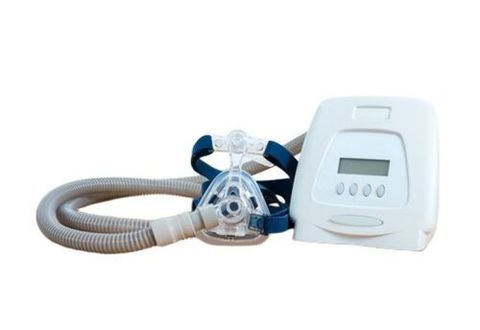
A typical CPAP system includes a machine, air tubing, a mask and a power source. Depending on the model, it may also include features such as humidification, heated tubing, data tracking and different pressure settings.
This guide explains the basic operation of CPAP machines, common device and mask types, major features, maintenance considerations and general information about sleep therapy.
What Is a CPAP Machine?
A CPAP machine is a compact device designed to provide continuous positive airway pressure through an interface such as a nasal or full-face mask.
The machine generally works by:
- Drawing in room air.
- Pressurizing the air.
- Sending the air through tubing.
- Delivering it through a mask.
- Maintaining pressure while the user sleeps.
The pressure helps prevent the upper airway from collapsing during sleep in people for whom positive airway pressure therapy has been prescribed.
How Does a CPAP Machine Work?
The basic operating principle is relatively straightforward.
The machine generates a controlled airflow. That airflow travels through flexible tubing and reaches the mask. When the mask is positioned correctly, the pressurized air enters through the nose, mouth, or both, depending on the mask design.
The pressure creates a pneumatic support mechanism that can help keep portions of the upper airway open.
Main Components
A standard CPAP setup can contain:
- CPAP device
- Air tubing
- Mask
- Headgear
- Air filter
- Water chamber when humidification is included
- Power adapter
- Optional heated tubing
Different systems can have different component arrangements.
CPAP and Sleep Apnea
Sleep apnea refers to repeated interruptions or reductions in breathing during sleep.
There are different forms of sleep apnea. Obstructive sleep apnea (OSA) is associated with repeated narrowing or obstruction of the upper airway.
Positive airway pressure therapy is one established treatment approach for obstructive sleep apnea. A healthcare professional determines whether CPAP or another therapy is appropriate based on the individual's circumstances.
CPAP should therefore be viewed as a medical therapy rather than simply a general-purpose breathing or wellness device.
Types of Positive Airway Pressure Machines
CPAP is part of a broader group of positive airway pressure devices.
CPAP
A conventional CPAP machine generally provides a continuous pressure level during inhalation and exhalation.
The prescribed pressure settings are determined as part of the user's clinical evaluation and treatment plan.
APAP
APAP, or Auto-Adjusting Positive Airway Pressure, can automatically adjust pressure within a prescribed range.
The device uses information from airflow and breathing patterns to make adjustments according to its programmed algorithm.
BiPAP or BPAP
BiPAP, also called BPAP, provides different pressure levels for inhalation and exhalation.
It can be used in particular clinical situations where a different pressure pattern is appropriate.
The choice between CPAP, APAP and BPAP should be based on clinical assessment rather than simply selecting a device based on specifications.
CPAP Mask Types
The mask is one of the most important parts of a CPAP setup because it provides the connection between the device and the user's airway.
Three common categories are nasal masks, nasal-pillow interfaces and full-face masks.
Nasal Mask
A nasal mask covers the nose and delivers pressurized air through the nasal passages.
It can provide a balance between coverage and relatively compact design.
Nasal Pillow Mask
Nasal-pillow systems use small cushions positioned at or near the nostrils.
Potential characteristics include:
- Compact design
- Minimal facial coverage
- Lightweight construction
- Greater visibility around the face
The suitability of this style can depend on breathing patterns, comfort and individual circumstances.
Full-Face Mask
A full-face mask generally covers both the nose and mouth.
It may be considered when a user breathes through the mouth during sleep or when a broader interface is clinically appropriate.
Choosing a Mask
Mask selection can depend on factors such as:
- Breathing pattern
- Facial structure
- Sleeping position
- Comfort
- Air leakage
- Pressure requirements
- Ability to breathe comfortably through the nose
- Personal preference
A mask that works well for one person may not be suitable for another.
CPAP Machine Features
Modern CPAP devices can include a range of features designed around usability, comfort and therapy monitoring.
Humidification
Some machines use an integrated or detachable humidifier.
Humidification adds moisture to the airflow and may make therapy more comfortable for some users, particularly in dry environments.
Heated Tubing
Heated tubing can help regulate the temperature of the air traveling through the tube.
It can also reduce condensation, sometimes called rainout, under appropriate conditions.
Ramp Function
A ramp feature allows the device to begin at a lower pressure and gradually increase toward the prescribed level over a set period.
This can make it easier for some users to fall asleep.
Pressure Relief
Some devices incorporate pressure-relief technologies that modify pressure during portions of the breathing cycle.
The specific implementation varies between manufacturers and device models.
Data Tracking
Many modern machines can record information related to therapy use.
Depending on the device, information may include:
- Usage duration
- Mask leakage
- Apnea-related indices
- Pressure information
- Breathing patterns
Data can help healthcare professionals assess therapy effectiveness when the device and monitoring system support such evaluation.
Understanding CPAP Pressure
CPAP pressure is commonly measured in centimeters of water pressure (cmH₂O).
The appropriate pressure is not necessarily the same for every person.
Pressure requirements can depend on:
- Airway characteristics
- Sleep-study findings
- Body position
- Breathing patterns
- Treatment response
- Other clinical factors
Users should not independently change prescribed pressure settings without appropriate professional guidance.
CPAP Machine and Airflow
The airflow produced by a CPAP machine is designed to maintain the prescribed positive pressure.
A properly functioning system attempts to compensate for normal variations in breathing and, depending on the machine, certain levels of intentional or unintentional leakage.
The mask and tubing therefore play an important role in maintaining effective airflow.
CPAP Mask Fit
A suitable mask fit is important for both comfort and therapy performance.
A mask that is too loose may allow excessive leakage, while excessive tightening can create discomfort or pressure points.
General mask-fitting considerations include:
- Follow the manufacturer's fitting instructions.
- Adjust headgear gradually.
- Check for excessive leakage.
- Avoid unnecessary overtightening.
- Make sure the cushion sits correctly.
- Recheck fit after changing sleeping position.
Persistent leakage or discomfort should be discussed with a healthcare professional or qualified equipment provider.
CPAP and Mouth Breathing
Mouth breathing can sometimes affect CPAP therapy, particularly when using a nasal-only interface.
Potential approaches can include:
- Evaluating nasal comfort
- Discussing mask alternatives
- Checking for nasal obstruction
- Considering a full-face interface when clinically appropriate
The appropriate approach depends on the individual's circumstances.
CPAP Maintenance
Regular maintenance helps keep the equipment clean and functioning as intended.
A typical maintenance routine may involve:
Mask Cleaning
The mask cushion and other washable components should be cleaned according to the manufacturer's instructions.
Tubing Cleaning
The air tubing should be cleaned and dried according to the device manufacturer's recommendations.
Humidifier Chamber
If the machine includes a humidifier, its water chamber requires regular cleaning and appropriate water handling.
Air Filters
Filters should be inspected and replaced according to the manufacturer's instructions.
Dust accumulation can affect airflow and equipment performance.
CPAP Replacement Considerations
CPAP components do not necessarily have the same replacement schedule.
Items that may require periodic replacement include:
- Mask cushions
- Mask components
- Headgear
- Tubing
- Filters
- Water chambers
The appropriate replacement interval depends on the manufacturer, component condition and healthcare or equipment-provider guidance.
CPAP Travel Considerations
CPAP users may need to consider portability when traveling.
Travel-related factors include:
- Device dimensions
- Power requirements
- Voltage compatibility
- Battery options
- Tubing and mask storage
- Humidifier requirements
- Airline or transportation rules
A compact travel-oriented device may be available for some users, but the suitability of a particular model depends on therapy requirements.
CPAP Machine Power Options
Most household CPAP machines operate using an external power adapter.
Some systems can also work with compatible backup batteries or portable power solutions.
When using an alternative power source, users should check:
- Voltage compatibility
- Connector compatibility
- Power requirements
- Battery capacity
- Manufacturer guidance
Improper power equipment can damage a device or interrupt therapy.
CPAP Noise Levels
Modern CPAP machines are generally designed to operate relatively quietly.
Noise can originate from:
- Internal airflow
- Motor operation
- Mask leakage
- Tubing
- Ventilation ports
If a machine suddenly becomes significantly louder than usual, checking the filter, tubing, mask and device condition can be useful. Persistent abnormal noise may warrant professional inspection.
CPAP Comfort Factors
Comfort can influence how consistently someone uses prescribed therapy.
Important factors include:
- Mask fit
- Pressure comfort
- Humidity
- Temperature
- Sleeping position
- Noise
- Tube positioning
- Dryness or irritation
Adjustments should be made in accordance with professional and manufacturer guidance.
Common CPAP-Related Issues
Some users experience challenges when beginning positive airway pressure therapy.
Dry Mouth
Dryness can occur for several reasons, including mouth breathing or inadequate humidification.
Nasal Dryness
Airflow can sometimes contribute to nasal dryness or irritation.
Mask Leakage
Leakage may occur when:
- The mask is incorrectly positioned.
- Headgear is improperly adjusted.
- The cushion is worn.
- The mask size is unsuitable.
Skin Pressure
Pressure points may develop where the mask contacts the face.
Condensation
Water can accumulate in tubing when humidified air cools.
Heated tubing and appropriate temperature settings can sometimes reduce this issue.
CPAP Therapy and Sleep Quality
Obstructive sleep apnea can affect sleep continuity because repeated breathing disturbances can cause frequent arousals.
Effective treatment can help address the breathing disturbances associated with the condition.
However, improvements in sleep quality vary between individuals and can depend on factors such as:
- Treatment adherence
- Mask fit
- Correct pressure
- Sleep duration
- Other sleep conditions
- Overall health
- Device effectiveness
CPAP therapy should be evaluated as part of an overall healthcare plan.
CPAP Adherence
Consistent use is an important part of prescribed CPAP therapy.
Some people require an adjustment period before becoming comfortable with:
- Wearing a mask
- Sleeping with tubing
- Air pressure
- Humidified airflow
- New bedtime routines
If therapy is difficult to tolerate, discussing the problem with a healthcare professional can help identify possible adjustments.
CPAP Safety Considerations
CPAP equipment should be used according to the manufacturer's instructions and the user's prescribed treatment plan.
Important general precautions include:
- Keep electrical components away from water.
- Use compatible accessories.
- Inspect tubing and cables regularly.
- Clean equipment according to instructions.
- Do not block the machine's air intake.
- Replace damaged components.
- Keep the machine on a stable surface.
- Follow prescribed pressure settings.
Users should consult their healthcare professional for questions concerning treatment settings or medical suitability.
CPAP Machine Buying Considerations
When comparing CPAP equipment, specifications alone should not determine the choice.
Useful factors to examine include:
Device Type
Determine whether the prescribed therapy involves CPAP, APAP, BPAP or another form of positive airway pressure.
Mask Compatibility
Check which mask interfaces are compatible with the device.
Humidification
Consider whether an integrated or compatible humidifier is available.
Data Capabilities
Look at the type of therapy data the machine records and how that information can be reviewed.
Noise
Compare manufacturer-specified operating noise levels when available.
Portability
Consider dimensions and power requirements if travel is important.
Warranty and Support
Review manufacturer documentation, warranty conditions and technical support options.
CPAP Machine Comparison Factors
| Factor | Why It Matters |
|---|---|
| Device type | Determines the therapy approach |
| Pressure range | Defines operating parameters |
| Mask compatibility | Affects interface choices |
| Humidification | Can influence comfort |
| Heated tubing | May help manage condensation |
| Data recording | Supports therapy monitoring |
| Noise | Can affect bedroom comfort |
| Size | Relevant for travel |
| Power requirements | Important for backup planning |
| Maintenance | Supports equipment hygiene |
CPAP Machine vs APAP
| Feature | CPAP | APAP |
|---|---|---|
| Pressure | Generally fixed | Automatically adjusts within a prescribed range |
| Main purpose | Continuous positive pressure | Variable positive pressure |
| Pressure adjustment | Set according to therapy plan | Device adjusts according to detected breathing patterns |
| Monitoring | Depends on model | Depends on model |
| Clinical suitability | Depends on individual assessment | Depends on individual assessment |
Neither approach is universally better. The appropriate device depends on clinical circumstances and treatment requirements.
CPAP Machine vs BPAP
| Feature | CPAP | BPAP |
|---|---|---|
| Pressure levels | Generally one continuous pressure | Separate inspiratory and expiratory pressures |
| Common application | Obstructive sleep apnea | Certain situations requiring different pressure support |
| Pressure pattern | Continuous | Two-level |
| Prescription | Clinically determined | Clinically determined |
The terms and applications can vary across medical contexts, so professional assessment is important.
Frequently Asked Questions
What does CPAP stand for?
CPAP stands for Continuous Positive Airway Pressure.
What does a CPAP machine do?
A CPAP machine delivers pressurized air through a mask to help maintain an open upper airway during sleep when positive airway pressure therapy has been prescribed.
What are the main types of CPAP masks?
Common interfaces include nasal masks, nasal-pillow masks and full-face masks.
What is the difference between CPAP and APAP?
CPAP generally provides a continuous prescribed pressure, while APAP can automatically adjust pressure within a prescribed range based on detected breathing patterns.
What is BPAP?
BPAP, or BiPAP, provides different pressure levels during inhalation and exhalation and is used in specific clinical circumstances.
Does every CPAP machine have a humidifier?
No. Some machines include integrated humidification, while others use compatible external or detachable humidifier systems.
How often should CPAP equipment be cleaned?
Cleaning schedules vary by component and manufacturer. Users should follow the cleaning instructions supplied with their specific device and mask.
Can CPAP machines be used while traveling?
Many CPAP devices can be transported for travel, although users should check power requirements, airline rules and manufacturer guidance before traveling.
Can CPAP pressure settings be changed independently?
Prescribed pressure settings should not be changed without appropriate guidance from a healthcare professional.
Is a CPAP machine suitable for everyone?
No. CPAP is a medical therapy whose suitability depends on the underlying breathing or sleep condition and professional assessment.
Conclusion
A CPAP machine is a positive airway pressure device designed to deliver a continuous flow of pressurized air through a mask. It is commonly used as part of treatment for obstructive sleep apnea and works by helping maintain upper-airway openness during sleep.
Modern CPAP systems can include features such as humidification, heated tubing, ramp functions, pressure-relief technologies and therapy-data monitoring. Mask choices typically include nasal masks, nasal pillows and full-face interfaces, allowing the equipment configuration to be adapted to different needs.
Understanding the difference between CPAP, APAP and BPAP, along with factors such as mask fit, maintenance, pressure settings and device features, can make the technology easier to understand.
Because CPAP is a medical therapy, device selection and pressure settings should be based on appropriate professional guidance rather than general product specifications alone.
Disclaimer: This article is intended for general informational and educational purposes only. It does not provide medical diagnosis, treatment instructions or individualized healthcare advice. CPAP or other positive airway pressure therapy should be used according to guidance from a qualified healthcare professional and the manufacturer's instructions.

Lavit
Our content is designed to attract, persuade, and convert your audience. We help brands grow through strategic, audience-first writing.
August 26, 2026 . 8 min read
Related Post...
ECG Equipment Guide: Explore Machines, Electrodes, Leads, Monitoring & Recording
By: Lavit
Updated: August 26, 2026
Read More
Black Water and Alkaline Water Guide: Explore Types, Differences, Properties & Potential Health Benefit
By: Lavit
Updated: September 17, 2026
Read More
CPAP Machine Guide: Explore How It Works, Types, Features, Masks & Sleep Therapy Basic
By: Lavit
Updated: August 26, 2026
Read More