Cosmetic Dentistry for a Brighter and More Confident Smile
Cosmetic dentistry offers several options for improving the appearance of teeth.
Cosmetic Dentistry
People researching cosmetic dental treatments often compare teeth whitening, veneers, dental bonding, and other procedures to understand which options may address their concerns.
A brighter smile can influence personal confidence, but cosmetic dental procedures also involve important considerations. Understanding treatment methods, cosmetic dentistry cost, maintenance requirements, and possible limitations helps individuals make informed decisions before choosing a procedure.
What Is Cosmetic Dentistry?
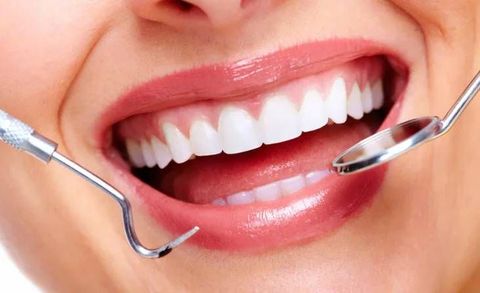
Cosmetic dentistry refers to dental procedures primarily intended to improve the appearance of teeth, gums, and smiles. Depending on individual requirements, treatments may address discoloration, small gaps, uneven edges, chipped teeth, or differences in tooth shape.
Some procedures also provide restorative benefits. For example, certain dental crowns can improve tooth appearance while protecting damaged tooth structure.
Why Do People Consider Cosmetic Dental Treatments?
People consider cosmetic dental treatments for different reasons. Common motivations include improving tooth color, correcting minor appearance concerns, and creating a more balanced smile.
However, cosmetic treatment is not always necessary for healthy teeth. The decision should consider dental health, personal expectations, available options, and the potential benefits and limitations of each procedure.
Importance of Cosmetic Dentistry
A smile is an important part of everyday communication. Dental appearance may influence how people feel about their smiles, particularly when they are concerned about visible discoloration, damaged edges, or uneven teeth.
Cosmetic dentistry provides different approaches to these concerns. However, maintaining healthy teeth and gums should remain a priority, even when the main objective is improving appearance.
Common Dental Appearance Concerns
Several dental concerns may lead people to explore cosmetic treatment:
Tooth discoloration: Teeth may become stained through aging, dietary habits, or other factors.
Chipped teeth: Small chips can affect the shape and appearance of individual teeth.
Uneven spacing: Gaps between teeth may influence the overall appearance of a smile.
Irregular tooth shapes: Differences in tooth size and shape can affect smile symmetry.
Surface imperfections: Minor irregularities may make teeth appear uneven.
A dental examination can help determine whether these concerns are purely cosmetic or connected to an underlying dental condition.
Relationship Between Appearance and Oral Health
Healthy gums and teeth provide the foundation for cosmetic dental procedures. Existing cavities, gum problems, or other dental conditions may need attention before cosmetic treatment begins.
Regular dental examinations, appropriate brushing, flossing, and professional cleaning support long-term oral health. Cosmetic improvements should complement these essential habits rather than replace them.
Popular Cosmetic Dentistry Treatments
Different procedures address different appearance concerns. Understanding how each method works can help individuals compare suitable options during a dental consultation.
Professional Teeth Whitening
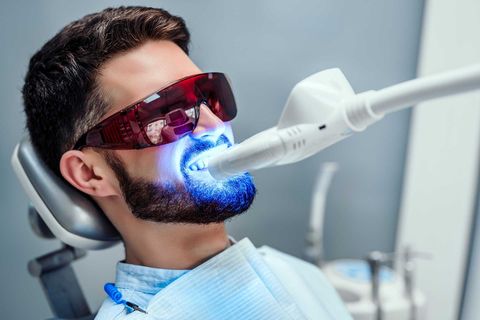
Professional teeth whitening is designed to reduce visible stains and improve natural tooth color. Dentists use appropriate whitening systems according to individual dental conditions and treatment requirements.
The results vary depending on the original tooth shade, type of discoloration, and individual response. Some people may experience temporary tooth sensitivity or gum irritation.
Dental Veneers
Dental veneers are thin coverings placed over the front surfaces of selected teeth. They are commonly used to change the appearance of tooth color, shape, size, or minor spacing concerns.
Porcelain and composite materials are commonly used. Veneers may require some preparation of natural tooth structure, so individuals should understand the procedure, maintenance requirements, and long-term considerations beforehand.
Dental Bonding Treatment
Dental bonding uses tooth-colored material to improve the appearance of selected teeth. It may be suitable for repairing small chips, adjusting tooth shapes, or addressing minor gaps.
The procedure is generally less involved than some veneer treatments. However, bonding material may stain, wear, or require repair over time.
Dental Crowns
Dental crowns cover damaged or weakened teeth. Although they are often associated with restorative dentistry, they can also improve the appearance of teeth with significant structural or cosmetic concerns.
The need for a crown depends on the condition of the tooth. A dentist can explain whether a crown or a less extensive procedure is appropriate.
Comparing Cosmetic Dental Treatments
The following table provides a general overview of common cosmetic dentistry options.
| Treatment | Main purpose | Important consideration |
|---|---|---|
| Teeth whitening | Reduce visible discoloration | Results vary by stain type |
| Porcelain veneers | Change tooth shape and appearance | May require tooth preparation |
| Composite bonding | Repair minor chips and gaps | May need future maintenance |
| Dental crowns | Cover damaged teeth | Requires assessment of tooth condition |
| Professional cleaning | Remove plaque and surface deposits | Supports oral hygiene |
These procedures are not interchangeable. The appropriate choice depends on dental health, the condition of natural teeth, and the desired cosmetic outcome.
Factors Affecting Cosmetic Dentistry Cost
Cosmetic dentistry cost can vary considerably depending on the selected treatment and individual dental requirements. Understanding the factors involved can make it easier to compare treatment estimates.
Type of Procedure and Materials
Different procedures involve different materials, equipment, and clinical steps. For example, the cost of porcelain veneers may differ from composite bonding or professional teeth whitening.
Material selection can also influence durability, appearance, and maintenance requirements.
Number of Teeth and Treatment Complexity
Treating one tooth generally involves different requirements from improving the appearance of several teeth. Additional procedures may also be necessary when existing dental problems need attention.
The total estimate should explain the number of appointments, treatment stages, materials, and follow-up requirements.
Dentist Qualifications and Clinic Facilities
Professional training, clinical experience, laboratory arrangements, and available equipment may influence treatment costs. When researching a cosmetic dentist near me, individuals should consider professional qualifications and hygiene standards alongside pricing.
A written treatment estimate can help clarify what is included and whether additional appointments may involve separate expenses.
Choosing a Cosmetic Dentist
Selecting an appropriate dental professional is an important part of cosmetic treatment planning. A consultation provides an opportunity to discuss dental concerns, review possible procedures, and understand realistic expectations.
Before proceeding, consider asking about:
Professional qualifications and relevant clinical experience.
Available treatment options and their limitations.
Potential side effects and possible complications.
Estimated costs and additional expenses.
Expected maintenance and follow-up appointments.
A responsible treatment plan should prioritize oral health and explain why a particular procedure is being recommended.
Frequently Asked Questions
How Much Does Cosmetic Dentistry Cost?
The cost depends on the procedure, materials, number of teeth, and treatment complexity. A dental consultation is generally necessary to receive an estimate based on individual requirements.
Which Cosmetic Dental Treatment Is Most Popular?
Teeth whitening, veneers, and dental bonding are commonly considered cosmetic dental options. Their suitability depends on the specific appearance concern and dental health.
Are Dental Veneers a Permanent Solution?
Veneers are long-term dental restorations, but they are not necessarily permanent. They may require replacement or maintenance, depending on material, oral habits, and individual circumstances.
Is Professional Teeth Whitening Safe?
Professional teeth whitening can be appropriate for many people following dental assessment. Temporary sensitivity or gum irritation may occur, so treatment should follow professional guidance.
Is a Consultation Necessary Before Cosmetic Dentistry?
Yes. A consultation helps assess oral health, discuss suitable procedures, understand costs, and identify possible risks before treatment.
Conclusion
Cosmetic dentistry provides several options for improving tooth appearance and smile aesthetics. Whitening, veneers, bonding, and crowns serve different purposes and involve different costs, procedures, and maintenance requirements.
Understanding these differences helps individuals make informed choices. A qualified dental professional can assess oral health, explain available treatments, and develop an appropriate plan based on individual dental needs and realistic expectations.

Related Post...

Discover 15 Hospitals in the USA Offering Free Arthritis Treatments – A Complete Guide
Updated: January 06, 2026
Read More
Non-Surgical Skin Tightening Insights: Discover Methods, Key Information, and Step-by-Step Guidance
Updated: September 24, 2026
Read More
Diabetes Management Explained: Insights, Suggestions, and a Step-by-Step Guide for Better Control
Updated: September 24, 2026
Read More