The concept of isolation technology developed as electronic systems became more complex and required safe communication between circuits operating at different voltage levels. Earlier systems commonly used optocouplers, but digital isolators were later introduced to improve performance, speed, and reliability.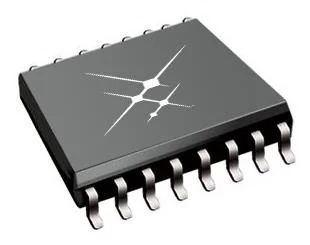
Today, digital isolators are widely used in modern electronics. They are part of signal isolation devices that ensure safe and stable communication in systems such as industrial machines, communication devices, and control systems.
Importance
Digital isolators are important because they help protect electronic circuits from damage caused by voltage differences and electrical interference. As electronic devices become more advanced, the need for reliable isolation technology has increased.
These components are used in many areas:
- Industrial environments where machines operate at different voltage levels
- Consumer electronics that require stable signal transmission
- Communication systems where data integrity is critical
Digital isolation also helps prevent issues such as signal distortion and electrical noise. By separating circuits, digital isolators reduce the risk of faults spreading from one part of a system to another.
This makes digital isolator applications essential in systems where safety, accuracy, and reliability are important.
Types of Digital Isolators
There are different types of digital isolators based on how they transfer signals across an isolation barrier.
Capacitive Digital Isolators
These isolators use capacitive coupling to transmit signals.
- Suitable for high-speed communication
- Common in data transmission systems
Magnetic Digital Isolators
Magnetic isolators use magnetic fields to transfer signals.
- Often used in industrial isolation systems
- Provide strong noise immunity
Optical-Based Isolators
These are based on light transmission, similar to traditional optocouplers.
- Used in systems requiring optical separation
- Typically slower compared to modern digital isolators
RF-Based Isolators
These isolators use radio frequency signals to transfer data.
- Designed for specialized communication systems
- Support high-speed data transfer
Digital Isolator Working Principle
Understanding the digital isolator working principle helps explain how these devices function.
Signal Transmission Process
The working process involves three main steps:
- Input signal is received on one side of the isolator
- Signal is converted into a transferable form such as magnetic or capacitive energy
- Signal is reconstructed on the output side without direct electrical connection
This process ensures galvanic isolation, meaning there is no direct conductive path between the input and output circuits.
Key Features
Digital isolators typically include:
- Isolation barrier to separate circuits
- Signal encoding and decoding units
- Protection mechanisms against voltage spikes
These features allow signal isolation devices to maintain safe and accurate communication.
Comparison: Optocoupler vs Digital Isolator
| Feature | Optocoupler | Digital Isolator |
|---|---|---|
| Signal Method | Light-based | Capacitive or magnetic |
| Speed | Lower | Higher |
| Power Efficiency | Moderate | Improved |
| Lifespan | Limited by light source | Longer operational life |
| Application Scope | Traditional systems | Modern electronics |
The comparison of optocoupler vs digital isolator shows how newer isolation technology provides advantages in speed and durability.
Digital Isolator Applications
Digital isolator applications are found in many sectors where signal safety and reliability are required.
Industrial Systems
Industrial isolation systems use digital isolators to protect control circuits and maintain stable communication between machines.
Power Electronics
These devices are used in power management systems to separate control circuits from high-voltage components.
Communication Devices
Digital isolation ensures accurate data transfer in communication systems by reducing interference.
Medical Equipment
Signal isolation devices are used in sensitive equipment to maintain safety and prevent electrical interference.
Recent Updates
Recent developments in digital isolators focus on improving performance and integration. Modern devices are designed to handle higher data rates while maintaining strong isolation.
Another trend is the integration of multiple channels within a single device. This allows compact designs and reduces the need for multiple components in complex systems.
Energy efficiency is also becoming more important. Newer digital isolators are designed to consume less power while maintaining reliable signal transmission.
Laws or Policies
Digital isolators are influenced by electrical safety standards and regulatory guidelines.
Safety Standards
Electronic systems must comply with safety requirements that define acceptable isolation levels and voltage limits.
Industry Compliance
Manufacturers follow international standards to ensure compatibility and reliability in different environments.
Environmental Guidelines
Certain regulations address material usage and disposal practices for electronic components.
These policies help ensure that isolation technology is used safely and consistently across industries.
Tools and Resources
Several tools and resources help in understanding and working with digital isolators.
Simulation Software
Engineers use simulation tools to test digital isolator working principles and performance in different conditions.
Design Platforms
Electronic design platforms help integrate signal isolation devices into circuits.
Technical Documentation
Datasheets and manuals provide detailed information about types of digital isolators and their specifications.
Testing Equipment
Measurement tools are used to evaluate signal integrity and isolation performance.
FAQs
What are digital isolators and how do they work?
Digital isolators are electronic components that transfer signals between circuits while maintaining electrical separation. They work by converting signals into forms that can cross an isolation barrier safely.
What is the difference between optocoupler vs digital isolator?
The main difference is in signal transmission. Optocouplers use light, while digital isolators use capacitive or magnetic methods, allowing faster and more efficient operation.
What are common digital isolator applications?
Digital isolator applications include industrial systems, communication devices, power electronics, and medical equipment where safe signal transfer is required.
Why is galvanic isolation important in electronics?
Galvanic isolation prevents direct electrical connection between circuits, reducing the risk of damage and improving safety.
What are the main types of digital isolators?
The main types of digital isolators include capacitive, magnetic, optical-based, and RF-based isolators, each suited for different applications.
Conclusion
Digital isolators are essential components in modern electronics, enabling safe and reliable communication between circuits. They use advanced isolation technology to protect systems from electrical interference and voltage differences. Understanding types of digital isolators and their working principles helps explain their role in various applications. As technology continues to evolve, these devices remain important in ensuring system stability and safety.