Commercial Air Handling Unit Selection Criteria Guide for Smarter HVAC Decisions
Commercial buildings rely on well-designed heating, ventilation, and air conditioning systems to create comfortable, healthy, and productive indoor environments.
At the center of many of these systems is the commercial air handling unit (AHU), a critical piece of equipment responsible for circulating, conditioning, and distributing air throughout a building. Choosing the right air handling unit is an important decision because it directly influences indoor air quality, energy efficiency, occupant comfort, and overall system reliability.
As building designs become more sophisticated and environmental expectations continue to rise, selecting an air handling unit involves much more than matching airflow capacity. Engineers, facility managers, and building owners must evaluate operational requirements, building usage, maintenance expectations, and future flexibility before making a decision. A well-planned selection process helps ensure that HVAC systems perform consistently throughout their operational life.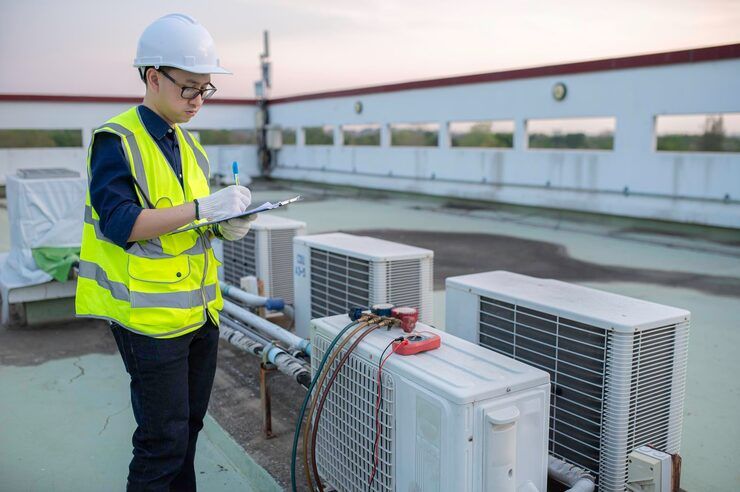
Understanding the major selection criteria provides valuable insight into how commercial air handling units support different building types. From airflow performance and filtration to controls and maintenance accessibility, each factor contributes to achieving dependable and efficient building operation.
Understanding the Role of an Air Handling Unit
An air handling unit conditions and distributes air as part of a larger HVAC system. It typically contains fans, filters, heating and cooling coils, dampers, and control components that work together to regulate indoor environmental conditions.
Rather than operating independently, the unit functions alongside chillers, boilers, rooftop equipment, ductwork, and building automation systems. The performance of each component influences the overall effectiveness of the HVAC system, making proper equipment selection an important part of the design process.
Different commercial facilities place different demands on their air handling units. Office buildings prioritize occupant comfort, healthcare facilities require strict air quality control, while manufacturing environments may need specialized ventilation strategies to manage heat, dust, or airborne contaminants.
Matching Airflow Capacity to Building Requirements
One of the first considerations during equipment selection is determining the airflow required to serve the building effectively. Airflow is commonly measured in cubic feet per minute or cubic meters per hour, depending on regional standards.
Selecting insufficient airflow can result in uneven temperature distribution and poor ventilation, while oversized equipment may increase energy consumption and reduce system efficiency through excessive cycling.
Design professionals typically calculate airflow requirements by considering building occupancy, floor area, heat gains, ventilation standards, and the intended use of each occupied space. Proper sizing supports consistent indoor comfort without placing unnecessary strain on HVAC equipment.
Energy Efficiency and Long-Term Performance
Energy efficiency remains one of the most significant factors influencing commercial HVAC decisions. Since air handling units often operate for extended periods each day, even modest improvements in efficiency can contribute to meaningful reductions in overall building energy consumption.
High-efficiency fan systems, optimized motor performance, variable-speed drives, and well-designed airflow paths all help improve operational efficiency. Heat recovery technologies may also reduce energy demand by transferring thermal energy between exhaust and incoming ventilation air.
Rather than focusing solely on initial equipment characteristics, decision-makers often evaluate expected performance throughout the system's operational life, considering maintenance requirements and long-term reliability alongside efficiency objectives.
Filtration Requirements and Indoor Air Quality
Indoor air quality has become an increasingly important consideration across commercial buildings, particularly in healthcare, education, hospitality, and office environments.
Air handling units incorporate filtration systems that remove dust, pollen, airborne particles, and other contaminants before conditioned air reaches occupied spaces. Selecting an appropriate filtration level depends on building occupancy, environmental conditions, and applicable ventilation requirements.
Higher-efficiency filters generally improve indoor air quality but may also increase airflow resistance. Proper system design ensures that filtration performance is balanced with fan capacity and energy efficiency to maintain consistent operation.
Equipment Configuration and Installation Constraints
Commercial air handling units are available in various configurations to accommodate different building layouts and operational requirements.
Indoor units are commonly installed in mechanical rooms or dedicated service areas, while outdoor units are designed to withstand changing weather conditions. Modular configurations allow larger systems to be transported and assembled in locations where installation space is limited.
Physical dimensions, equipment access, ceiling height, duct routing, and structural considerations all influence the selection process. Evaluating these factors early helps avoid installation challenges and supports efficient long-term maintenance.
Controls and Building Automation Integration
Modern air handling units increasingly operate as part of integrated building management systems. Advanced controls allow facility teams to monitor equipment performance, adjust operating schedules, and respond to changing occupancy conditions in real time.
Sensors continuously measure temperature, humidity, airflow, pressure, and other operating parameters. Control systems use this information to regulate fan speeds, dampers, heating coils, and cooling coils automatically.
Integration with building automation systems also supports centralized monitoring, fault detection, energy reporting, and preventive maintenance planning, helping facility managers optimize HVAC performance across multiple building systems.
Maintenance Accessibility and Operational Reliability
An air handling unit should be designed not only for efficient operation but also for practical maintenance throughout its service life.
Routine maintenance activities include filter replacement, fan inspection, belt adjustment where applicable, coil cleaning, lubrication, and verification of control system performance. Equipment that provides convenient access to these components helps reduce maintenance time and supports consistent operating conditions.
Reliable construction materials, corrosion-resistant finishes, durable fan assemblies, and well-engineered internal layouts also contribute to dependable long-term operation, particularly in demanding commercial environments.
Compliance with Industry Standards
Commercial HVAC equipment is often selected according to recognized industry standards that promote safety, efficiency, and performance consistency.
Organizations such as the ASHRAE establish widely referenced guidance for ventilation, thermal comfort, and indoor environmental quality. Certification programs and testing standards also help verify equipment performance under standardized operating conditions.
Design professionals typically consider applicable building codes, environmental regulations, and project-specific requirements alongside manufacturer specifications when evaluating equipment options.
Planning for Future Building Needs
Commercial buildings rarely remain unchanged throughout their operational life. Occupancy levels, workspace layouts, and functional requirements often evolve as organizations grow or adapt to new business needs.
Selecting an air handling unit with sufficient flexibility can simplify future upgrades without requiring complete system replacement. Expandable control systems, adaptable airflow configurations, and compatibility with evolving building technologies support long-term operational resilience.
Forward-looking planning also helps organizations respond more efficiently to changing energy objectives, sustainability initiatives, and improvements in HVAC technology.
Conclusion
Selecting a commercial air handling unit requires careful evaluation of airflow requirements, energy efficiency, indoor air quality, equipment configuration, controls, maintenance accessibility, and applicable industry standards. Each factor contributes to creating HVAC systems that operate reliably while supporting occupant comfort and efficient building performance.
A thoughtful selection process considers both current operational needs and future building requirements. By understanding the essential selection criteria, facility owners, engineers, and project teams can make informed decisions that contribute to dependable HVAC performance throughout the life of the building

Related Post...

Intermodal Freight Transportation Operations: Explore How Cargo Moves Across Modes
Updated: October 01, 2026
Read More
Last-Mile B2B Delivery Fleet Operations: Explore How Routes Are Coordinated
Updated: October 01, 2026
Read More
High-Volume Industrial PCB Assembly Plants: Discover Automated Assembly Processes
Updated: October 06, 2026
Read More