Chemical Suppliers: Guide to Quality Control in Supply Chain Systems
Chemical suppliers play an important role in maintaining reliable industrial, laboratory, agricultural, manufacturing, and research operations.
However, consistent chemical quality depends on more than testing the finished material. It requires a coordinated quality control system that follows the chemical through sourcing, production, storage, transportation, documentation, and final delivery.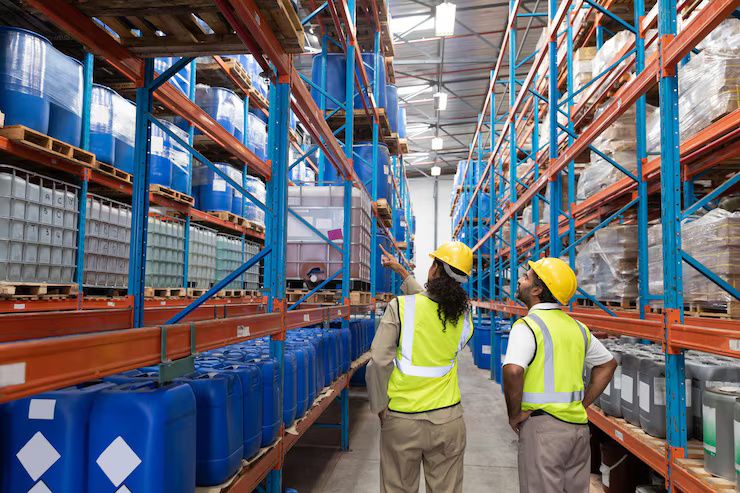
A strong quality control process helps organizations identify contamination, specification deviations, handling problems, documentation errors, and other risks before they affect downstream operations. Understanding how these controls work can help procurement teams, quality professionals, manufacturers, and laboratory users evaluate supply chain reliability more effectively.
What Is Quality Control in a Chemical Supply Chain?
Quality control in a chemical supply chain is the systematic process of verifying that chemicals meet defined specifications throughout their movement from the original source to the end user.
The process can include raw material inspection, laboratory analysis, batch identification, packaging checks, storage monitoring, transportation controls, and documentation review. Each stage provides an opportunity to detect a problem before it moves further through the supply chain.
Quality control is closely connected with quality assurance, but the two concepts have different roles. Quality control focuses on inspection, testing, measurement, and verification, while quality assurance focuses on the broader systems and procedures used to consistently achieve required standards.
For chemical suppliers, effective quality control should be measurable, documented, and repeatable rather than dependent only on individual judgment.
Why Chemical Quality Control Matters
Chemical materials can have different purity levels, physical properties, concentrations, and stability characteristics. Even relatively small deviations can affect manufacturing processes, laboratory results, product performance, or regulatory compliance.
A reliable quality control framework helps address several important concerns:
- Identity: Confirming that the material corresponds to its specified chemical identity.
- Purity: Checking whether unwanted substances remain within defined limits.
- Composition: Verifying concentration and other relevant characteristics.
- Consistency: Comparing batches against established specifications.
- Traceability: Maintaining records that connect a material to its production and handling history.
- Integrity: Checking packaging, labeling, seals, and storage conditions.
- Documentation: Ensuring that relevant quality records accurately represent the material.
These controls are particularly important when chemicals are used in sensitive manufacturing processes, analytical laboratories, pharmaceutical research, food-related applications, or other environments where material variation can have significant consequences.
Key Quality Control Stages
Quality control works best when it is integrated across the entire supply chain instead of being concentrated at the final inspection stage.
Supplier Qualification
The first step is understanding whether a chemical supplier has appropriate quality systems and technical capabilities for the required materials. Organizations may review manufacturing controls, laboratory capabilities, certifications, regulatory documentation, traceability practices, and historical quality performance.
Supplier qualification should be based on the risk associated with the chemical. A highly sensitive or regulated material may require more detailed evaluation than a low-risk industrial chemical.
Incoming Material Inspection
When chemicals enter a facility, receiving teams can verify product identity, batch information, packaging condition, labels, quantities, and documentation.
Visual inspection can identify damaged containers, leakage, broken seals, incorrect labels, or signs of inappropriate handling. Documentation checks can also help confirm that the received material corresponds with the expected specification.
Laboratory Testing
Analytical testing provides objective evidence that a chemical meets its defined requirements. Depending on the material, testing can involve methods such as chromatography, spectroscopy, titration, moisture analysis, density measurement, or other validated techniques.
The appropriate analytical method depends on the chemical, intended application, specification, and risk profile. Testing should be performed according to controlled procedures, with calibrated equipment and properly maintained records.
Storage and Handling Controls
Chemical quality can change after production if materials are exposed to unsuitable environmental conditions. Temperature, humidity, light, oxygen, contamination, and incompatible storage conditions can affect stability.
Chemical suppliers and receiving organizations therefore need appropriate storage controls. Containers should remain properly identified and protected, while storage areas should be organized according to chemical compatibility and applicable handling requirements.
Transportation Monitoring
Transportation introduces another potential quality risk. Extended exposure to unsuitable temperatures, physical damage, contamination, or improper handling can affect chemical integrity.
For sensitive materials, supply chain systems may incorporate packaging specifications, environmental monitoring, shipment records, and defined handling procedures. These controls create a documented connection between dispatch and receipt.
Documentation and Traceability
Documentation is one of the most important components of chemical supply chain quality control. A technically compliant material can still create operational problems if its supporting records are incomplete or inconsistent.
Important records may include certificates of analysis, batch or lot identifiers, test results, specifications, safety documentation, inspection records, and shipment information.
Traceability allows an organization to determine where a particular batch originated, which tests were performed, how it was handled, and where it was distributed. This information becomes particularly valuable when an investigation or corrective action is necessary.
Digital supply chain systems can strengthen traceability by connecting inventory records, laboratory results, supplier information, and shipment data in a structured environment.
Managing Nonconforming Chemicals
Not every batch will necessarily meet its predefined requirements. When a deviation occurs, the material should be identified and controlled rather than being treated as ordinary inventory.
A structured nonconformance process can include:
- Identifying and segregating the affected material.
- Recording the deviation and relevant batch information.
- Investigating the potential cause.
- Assessing the impact on other materials or processes.
- Determining an appropriate disposition through authorized quality procedures.
- Implementing corrective or preventive actions when necessary.
This approach helps prevent an isolated quality issue from becoming a wider supply chain problem.
Using Technology for Supply Chain Quality
Modern supply chain systems can make quality control more transparent and easier to manage. Enterprise resource planning platforms, laboratory information management systems, warehouse systems, and supplier management tools can connect information across different stages.
Useful capabilities can include batch-level traceability, automated document management, inventory status controls, inspection workflows, audit trails, and quality alerts.
Data analytics can also help identify recurring deviations. For example, organizations can examine patterns involving specific batches, materials, storage conditions, transportation routes, or production periods. These insights can support more proactive quality management.
However, technology does not replace sound procedures. Accurate data, clearly defined responsibilities, trained personnel, and appropriate testing remain essential.
Best Practices for Chemical Supply Chain Quality
A practical quality control program should focus on risk, consistency, and traceability.
Organizations can strengthen their approach by:
- Defining clear material specifications before procurement.
- Applying risk-based supplier qualification.
- Maintaining standardized receiving inspections.
- Using appropriate analytical testing methods.
- Preserving batch and lot traceability.
- Monitoring storage conditions for sensitive materials.
- Reviewing supplier quality trends periodically.
- Maintaining accurate and accessible documentation.
- Investigating deviations systematically.
- Training personnel in chemical handling and quality procedures.
- Periodically reviewing the effectiveness of the overall quality system.
The objective is not simply to detect defective material. A mature system aims to understand why deviations occur and reduce the likelihood of recurrence.
Frequently Asked Questions
What does quality control mean for chemical suppliers?
It refers to the inspections, tests, procedures, documentation, and monitoring used to verify that chemical materials consistently meet defined specifications and remain properly controlled throughout the supply chain.
Why is batch traceability important?
Batch traceability makes it possible to connect a chemical material with its production history, test records, handling information, and distribution path. This supports investigations and controlled corrective actions.
What documents are commonly reviewed for chemical quality?
Depending on the material and application, organizations may review specifications, certificates of analysis, safety documentation, batch identifiers, analytical results, inspection records, and relevant compliance documentation.
How can storage affect chemical quality?
Unsuitable temperature, humidity, light exposure, contamination, or chemical incompatibility can alter the stability or properties of certain materials. Appropriate storage controls help preserve material integrity.
Can technology improve chemical supply chain quality control?
Yes. Digital systems can improve traceability, documentation, inventory controls, laboratory data management, and quality monitoring. Their effectiveness depends on accurate data and well-designed quality procedures.
Conclusion
Quality control in chemical supply chain systems is a continuous process rather than a single inspection. From supplier qualification and incoming inspection to laboratory testing, storage, transportation, documentation, and traceability, each stage contributes to material reliability.
For organizations working with chemical suppliers, a risk-based and well-documented approach provides a clearer understanding of material quality and supply chain performance. Combining established quality procedures with appropriate digital tools can further improve visibility, consistency, and responsiveness when quality deviations occur.

Related Post...
Heavy Industrial Packaging and Baling Systems: Explore Equipment and Applications
Updated: October 01, 2026
Read More
Pharma Contract Manufacturing Organization: Explore Production Models
Updated: September 15, 2026
Read More
Hydraulic Hose Replacement Basics for Better Hydraulic System Reliability
Updated: October 24, 2026
Read More