Hazardous Waste Management Companies: Explore Compliance and Operations
Industrial facilities, laboratories, healthcare organizations, and manufacturing plants generate materials that cannot be handled like ordinary waste.
Hazardous waste management companies help organizations identify these materials, arrange compliant handling, and coordinate treatment, recovery, or disposal through controlled processes.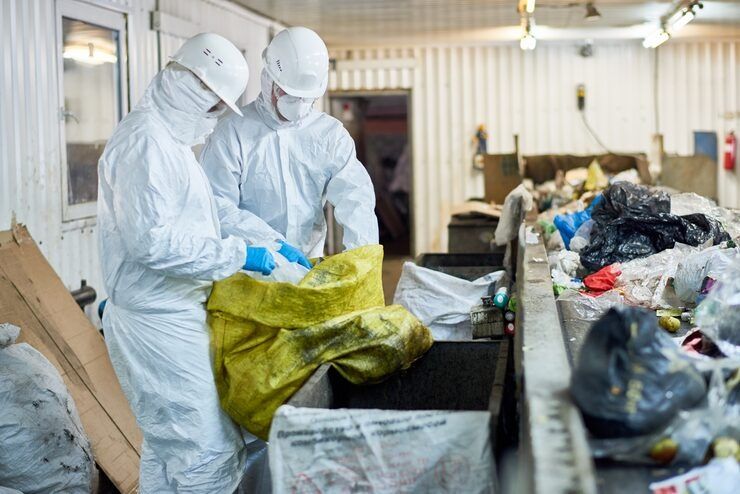
The work involves more than collecting containers. Hazardous waste may be corrosive, flammable, toxic, reactive, or otherwise dangerous. Its characteristics, origin, and destination determine how it must be packaged, transported, documented, and managed.
Understanding how these companies operate helps businesses evaluate their responsibilities, prepare waste for collection, and recognize the systems behind compliant hazardous waste handling. It also clarifies why classification, documentation, trained personnel, and facility controls are essential throughout the waste lifecycle.
What Hazardous Waste Management Companies Actually Do
Hazardous waste management companies provide specialized support for organizations that generate, store, transport, treat, or dispose of regulated waste. Their activities may include waste characterization, container management, transportation coordination, treatment, recycling, and final disposal.
The exact scope varies by jurisdiction and provider. Some companies focus on industrial collection and transportation, while others operate treatment facilities or provide broader environmental compliance support.
A typical workflow begins when a generator identifies a waste stream. The material is assessed, classified, packaged, and documented before it moves to an authorized destination. Each stage requires controls appropriate to the material's hazards.
The generator generally remains responsible for understanding its legal obligations, even when external companies perform parts of the work. Outsourcing physical handling does not automatically transfer every compliance responsibility.
How Hazardous Waste Is Classified
Correct classification is the foundation of safe and compliant management. A material may be regulated because it exhibits hazardous characteristics, appears on a regulatory list, or meets specific criteria established by the applicable authority.
Common hazardous characteristics include:
Ignitability: Materials that can catch fire under defined conditions.
Corrosivity: Materials that can damage living tissue or equipment through chemical action.
Reactivity: Materials that may react violently, release dangerous gases, or become unstable.
Toxicity: Materials that can cause harm when exposure occurs through relevant pathways.
Classification may also depend on chemical composition, concentration, contamination, and the process that generated the waste. For example, spent solvents, contaminated absorbents, laboratory chemicals, and certain industrial sludges may require different handling approaches.
A reliable classification process uses safety data sheets, process knowledge, laboratory analysis where necessary, and applicable regulatory definitions. Guessing from appearance alone is unsafe and can lead to incorrect documentation or treatment decisions.
The Operational Journey from Generation to Final Destination
Hazardous waste management is a chain of controlled activities. A weakness at one stage can create problems later, which is why companies generally establish procedures for the entire lifecycle.
Collection and Packaging
Waste must be placed in containers compatible with its chemical and physical properties. Containers should be suitable for the material, properly closed, and protected from damage during handling.
Labels and markings communicate important information about the contents and associated hazards. Incompatible materials may need to be segregated to prevent dangerous reactions.
Collection procedures also consider accumulation areas, container condition, spill prevention, and access control. These details reduce the chance of exposure before transportation begins.
Transportation and Tracking
Transportation involves more than moving waste from one location to another. Depending on the jurisdiction and material, shipments may require approved carriers, specific vehicle controls, manifests, emergency information, and designated routes.
Documentation connects the generator, transporter, and receiving facility. It records what material is being transferred and helps establish accountability throughout the shipment.
Tracking systems may provide shipment status, container identification, and delivery confirmation. Accurate records are especially important when a discrepancy, delay, or regulatory inspection occurs.
Treatment, Recovery, and Disposal
The receiving facility determines the appropriate management method based on the waste's characteristics and permitted operations. Treatment may reduce hazardous properties, stabilize materials, or prepare them for another approved process.
Some waste streams can undergo recovery or recycling when suitable methods exist. Others require specialized treatment or disposal. The appropriate route depends on technical feasibility, regulatory requirements, contamination, and facility authorization.
A hazardous waste management company should not assume that every material can be handled through the same process. Different waste streams require different controls and destinations.
Compliance Responsibilities and Regulatory Frameworks
Hazardous waste regulations differ by country, state, and industry. In the United States, the Resource Conservation and Recovery Act (RCRA) establishes a major framework for managing hazardous waste from generation through disposal. The U.S. Environmental Protection Agency (EPA) oversees federal requirements, while authorized state programs may impose additional rules.
Other jurisdictions use their own regulatory systems. For example, the European Union regulates hazardous waste through its waste framework and related requirements, while international shipments may involve the Basel Convention.
Compliance commonly involves:
Determining whether a material is regulated hazardous waste.
Maintaining appropriate generator records.
Following accumulation and storage requirements.
Using required labels, manifests, and shipping documentation.
Working with authorized transporters and receiving facilities.
Training personnel who handle hazardous materials.
Maintaining emergency preparedness and response procedures.
Requirements can vary according to generator category, waste type, quantity, and location. Organizations should verify applicable rules with the relevant environmental authority rather than relying on generalized assumptions.
Why Documentation and Traceability Matter
Documentation is a central part of hazardous waste management because physical handling alone does not demonstrate compliance. Records help establish what was generated, how it was classified, where it was transferred, and which facility received it.
A strong documentation process may include waste profiles, analytical results, container inventories, manifests, treatment records, and certificates or confirmations from receiving facilities where applicable.
Traceability also supports operational improvement. If a facility notices repeated classification errors, delayed shipments, or excessive accumulation, its records can help identify the underlying process issue.
Digital platforms increasingly connect waste inventories, compliance calendars, shipment tracking, and reporting. These tools can reduce manual reconciliation, but they are only as reliable as the information entered into them.
Safety Controls Across the Operation
Hazardous waste handling requires controls that match the specific risks involved. Personal protective equipment (PPE), ventilation, chemical segregation, spill kits, emergency procedures, and employee training may all be relevant.
The hierarchy of controls provides a useful way to think about risk reduction. Organizations should first consider whether hazardous materials can be eliminated or substituted, then examine engineering and administrative controls before relying solely on PPE.
Waste management companies may also use specialized equipment for drum handling, vacuum collection, laboratory packing, industrial cleaning, or emergency response. The equipment must be appropriate for the material and operated by trained personnel.
Emergency preparedness is particularly important because spills, container failures, and transportation incidents can affect workers, nearby communities, and the environment. Clear response procedures help organizations act quickly while limiting exposure and contamination.
Choosing a Hazardous Waste Management Partner
Selecting a company requires more than checking whether it accepts a particular waste category. The organization generating the waste should understand how the provider manages classification, transportation, treatment, documentation, and final disposition.
Relevant considerations include:
Regulatory authorization: Does the company hold the permits or approvals required for its activities?
Waste compatibility: Can it legally and technically manage the specific waste streams involved?
Facility capabilities: Are treatment, storage, or disposal operations appropriate for the materials?
Documentation practices: Can the company provide clear records and shipment traceability?
Safety performance: Are training, emergency response, and operational controls established?
Communication: Can it explain requirements and identify issues before collection or shipment?
Geographic coverage: Can it support the locations and transportation requirements involved?
A provider's capabilities should be evaluated against the generator's actual waste profile. A company experienced with industrial solvents may not have the same capabilities for infectious waste, radioactive materials, or highly reactive chemicals.
Common Challenges in Hazardous Waste Operations
One recurring challenge is inconsistent waste segregation. When incompatible materials are mixed or incorrectly labeled, the risk of exposure and additional handling increases.
Another is incomplete waste characterization. A waste stream may change when production inputs, cleaning chemicals, or manufacturing processes change. Periodic review helps ensure that older assumptions remain accurate.
Storage management can also become difficult when collection schedules, production volumes, or facility capacity change. Accumulation areas need monitoring so that containers remain within applicable limits and conditions.
Finally, regulatory complexity can create uncertainty. Rules may differ across jurisdictions and change over time. Maintaining a current compliance process is more reliable than treating hazardous waste management as a one-time administrative task.
Frequently Asked Questions
What is the primary role of a hazardous waste management company?
Its primary role is to help manage regulated waste through appropriate collection, packaging, transportation, treatment, recovery, or disposal processes. The exact responsibilities depend on the company's authorization and the applicable regulations.
Who is responsible for hazardous waste compliance?
The waste generator generally retains important legal responsibilities, even when an external company handles transportation or treatment. The division of duties should be documented and understood by all parties.
Can all hazardous waste be recycled?
No. Some hazardous waste can be recovered or recycled through suitable processes, while other materials require treatment or disposal. The decision depends on the material's characteristics, contamination, available technology, and regulatory requirements.
Why is waste classification important?
Classification determines how waste must be stored, labeled, transported, treated, and documented. Incorrect classification can create safety risks and lead to noncompliance.
What records should organizations maintain?
Records may include waste profiles, analytical data, container inventories, manifests, shipment confirmations, and treatment or disposal documentation. Specific requirements vary by jurisdiction and generator category.
Conclusion
Hazardous waste management companies support a complex operational chain that connects waste identification, safe handling, transportation, treatment, and final disposition. Their work depends on accurate classification, trained personnel, appropriate facilities, and reliable documentation.
For organizations generating hazardous waste, compliance begins before collection. Understanding the material, maintaining effective controls, and selecting an appropriately authorized management partner help protect workers, communities, and the environment while keeping operations accountable.

Related Post...

Pharma Contract Manufacturing Organization: Explore Production Models
Updated: September 15, 2026
Read More
Hydraulic Hose Replacement Basics for Better Hydraulic System Reliability
Updated: October 24, 2026
Read More
SUV Rental Insights for Choosing the Right Vehicle for Your Journey
Updated: October 19, 2026
Read More