Car Warranty Plans for Long-Term Vehicle Protection
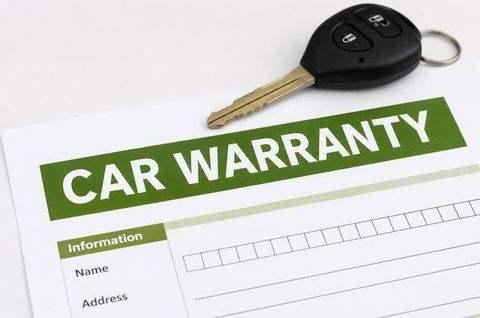
Car warranty plans provide financial protection against certain vehicle repair.
Car Warranty
Drivers considering long-term vehicle protection often compare manufacturer warranties, extended car warranty options, and vehicle service contracts before making a purchase. Understanding these differences can help buyers evaluate available coverage.
A car warranty does not necessarily cover every repair or maintenance expense. Coverage depends on the agreement, vehicle eligibility, mileage limits, exclusions, and claim requirements. Reviewing these details before purchasing is important for making an informed decision.
What Is a Car Warranty Plan?
A car warranty plan is an agreement that covers specified mechanical or electrical repairs for a defined period or mileage limit. Depending on the contract, coverage may include selected engine components, transmission systems, electrical parts, and other vehicle components.
Manufacturer warranties are generally included with eligible new vehicles. Extended car warranty plans may provide additional protection after the original coverage expires or, in some cases, while it is still active.
Why Do Drivers Consider Extended Coverage?
Vehicle repairs can become expensive as cars age and components experience regular wear. Drivers may consider extended auto warranty coverage to manage certain unexpected repair costs beyond the manufacturer's original warranty period.
However, purchasing additional coverage is not automatically beneficial for every vehicle owner. The decision depends on vehicle reliability, expected ownership period, repair costs, existing warranty protection, and the total contract price.
Importance of Long-Term Vehicle Protection
Long-term vehicle protection involves understanding potential repair expenses and planning for them. A suitable warranty agreement may reduce the financial impact of certain covered mechanical failures, although deductibles, exclusions, and coverage limits still apply.
For drivers planning to keep their vehicles for several years, comparing car warranty coverage can provide a clearer understanding of available financial protection.
Managing Unexpected Repair Expenses
Mechanical failures may require replacement parts, diagnostic work, and professional labor. Depending on the vehicle and the damaged component, these expenses can vary considerably.
A warranty plan may cover eligible repair expenses according to its terms. This can make budgeting easier, but owners should also maintain savings for routine maintenance and repairs that fall outside the agreement.
Supporting Vehicle Ownership Planning
Some drivers prefer predictable expenses when planning long-term vehicle ownership. A warranty agreement can provide a defined coverage period and explain which repair costs may qualify for assistance.
Before choosing a plan, buyers should consider how long they intend to keep the vehicle and whether the additional protection justifies its cost.
Types of Car Warranty Plans Available
Different warranty plans provide different levels of protection. Comparing their coverage and limitations is important because similarly named plans may offer different benefits.
Manufacturer Extended Warranty
Manufacturer extended warranties are additional coverage arrangements associated with the vehicle manufacturer. They may extend certain protections beyond the original factory warranty period.
These agreements can have manufacturer-specific conditions, approved repair facilities, and maintenance requirements. Buyers should review whether the coverage overlaps with their existing warranty.
Third-Party Vehicle Protection Plans
Third-party vehicle protection plans are offered by independent warranty companies and service contract providers. Their coverage may include selected mechanical and electrical components, depending on the agreement.
Provider requirements, repair authorization procedures, deductibles, and exclusions can differ. Checking the company's service history and contract conditions is important before purchasing.
Used Car Warranty Plans
Used car warranty plans are designed for eligible pre-owned vehicles. They may be available through dealerships, manufacturers, or independent providers.
Eligibility often depends on the vehicle's age, mileage, condition, and maintenance history. Some plans also require an inspection before coverage begins.
Comparing Car Warranty Coverage Options
Understanding the differences between coverage levels can make the comparison process easier. The following table summarizes common plan categories.
| Plan type | Typical coverage focus | Important consideration |
|---|---|---|
| Powertrain | Engine and transmission components | Limited component coverage |
| Stated-component | Specifically listed vehicle parts | Check the component list |
| Comprehensive | Broader mechanical and electrical coverage | Review exclusions carefully |
| Manufacturer extended | Selected factory warranty protections | Manufacturer-specific conditions |
| Used vehicle protection | Eligible pre-owned vehicle components | Age and mileage restrictions |
The actual protection offered depends on the written agreement rather than the plan name. Buyers should always examine the complete contract.
Factors to Consider Before Buying a Car Warranty
Choosing between the best car warranty plans requires more than comparing advertised prices. The details of coverage, provider reliability, and claim conditions can influence the overall value of an agreement.
Extended Car Warranty Cost
Extended car warranty cost varies according to vehicle make, model, age, mileage, coverage level, contract duration, and provider. Deductibles and payment arrangements may also affect the total expense.
When requesting car warranty quotes, compare the complete contract price rather than focusing only on monthly payments. Ask whether taxes, administrative charges, and other fees apply.
Coverage Limits and Exclusions
Every warranty agreement has specific coverage limits and exclusions. Common exclusions may include:
Routine maintenance, such as oil changes and scheduled servicing.
Normal wear and tear on certain components.
Cosmetic damage and interior deterioration.
Repairs caused by accidents or improper vehicle use.
Problems involving components not listed in the agreement.
Understanding these restrictions helps prevent unexpected disagreements during claims.
Provider Reputation and Repair Process
Before selecting a provider, examine its business background, customer service procedures, and complaint-handling practices. It is also useful to understand how repair authorization works and whether approved repair facilities are available in your area.
Ask whether the provider pays the repair facility directly or requires the vehicle owner to pay first and request reimbursement.
Frequently Asked Questions
Are Car Warranty Plans Worth Buying?
Their value depends on the vehicle, expected repair expenses, ownership period, and contract price. Comparing potential benefits with exclusions and deductibles can help determine whether additional coverage is appropriate.
What Is Included in Extended Car Warranty Coverage?
Coverage may include selected engine, transmission, electrical, and other mechanical components. The exact list depends on the agreement and selected protection level.
Can I Buy a Warranty for a Used Car?
Yes, some providers offer used car warranty plans for eligible vehicles. Age, mileage, inspection requirements, and maintenance history may affect availability.
How Can I Compare Car Warranty Quotes?
Compare coverage limits, exclusions, deductibles, contract duration, claim procedures, and total costs. Reviewing complete agreements provides a more accurate comparison than considering prices alone.
Does a Car Warranty Cover Regular Maintenance?
Most extended vehicle protection agreements do not cover routine maintenance expenses. Services such as oil changes, tire replacement, and scheduled inspections are generally the owner's responsibility.
Conclusion
Car warranty plans can provide additional financial protection against certain eligible vehicle repairs. However, their usefulness depends on coverage conditions, vehicle requirements, contract costs, and individual ownership plans.
Comparing providers, understanding exclusions, and reviewing claim procedures can help buyers make informed decisions.

Related Post...