Business Succession Guide: Ownership Transfer, Leadership Planning, Family Businesses, and Legal Insights
Business succession planning is the process of preparing for a future transition in business ownership, leadership, or control.
A succession plan can become important when an owner plans to retire, transfer ownership to family members, transition leadership to existing management, bring in new owners, or prepare for an unexpected event.
For family-owned businesses, succession planning can involve both business and family considerations. Ownership interests, management responsibilities, estate planning, taxes, financing, and relationships among family members may all need to be considered together.
Why Business Succession Planning Matters
Without a documented transition plan, an ownership or leadership change can create uncertainty about who will control the business and how important decisions will be made.
Succession planning can address:
Future ownership
Leadership responsibilities
Management authority
Ownership valuation
Family participation
Buy-sell arrangements
Estate planning
Financing
Tax considerations
Business continuity
Key-person dependencies
Unexpected death or disability
Dispute-resolution procedures
A succession plan does not have to determine every future event. Its purpose is to establish a framework for handling significant ownership and leadership changes.
What Is Business Succession Planning?
Business succession planning combines strategic, financial, legal, and operational planning for a future transition.
The plan may identify:
Who will own the business
Ownership could transition to family members, existing partners, employees, management, outside investors, or another permitted ownership structure.
Who will lead the business
Ownership and management do not always transfer at the same time. A future owner may appoint a professional manager or existing executive team to operate the company.
How ownership will transfer
A transfer may occur through a sale, gift, inheritance, redemption, purchase agreement, or another legally permitted structure.
How the transition will be funded
Financing may involve business cash flow, outside financing, installment arrangements, insurance proceeds where appropriate, or other funding structures.
Ownership Transfer Strategies
Several structures can be considered when planning a transition.
Family Ownership Transfer
An owner may transfer some or all of the business to children, relatives, or other family members.
The arrangement may involve:
Direct ownership transfer
Gradual transfers
Gifts
Sales to family members
Trust structures
Voting and non-voting interests
Installment arrangements
Tax and legal consequences can vary substantially depending on the structure.
Management or Partner Transition
Ownership may transition to existing managers or business partners.
This can provide continuity when current leadership already understands the company's operations, customers, employees, and financial structure.
Partnership and shareholder agreements may contain provisions governing transfers, valuation, voting rights, and approval requirements.
Employee Ownership
Some businesses may consider employee ownership structures, including an Employee Stock Ownership Plan (ESOP) where applicable.
An ESOP is a qualified retirement plan that can hold employer securities subject to federal requirements.
Businesses considering employee ownership should evaluate eligibility, valuation, financing, fiduciary responsibilities, and regulatory requirements with appropriately qualified professionals.
Family Business Succession
Family businesses can face additional planning considerations because family relationships and business relationships may overlap.
Important questions can include:
Which family members want to participate?
Who has the necessary management experience?
Who will own the business?
Who will make operational decisions?
How will non-operating family members participate?
How will ownership interests be valued?
What happens if a family member wants to exit?
How will disagreements be handled?
How will ownership be divided among multiple heirs?
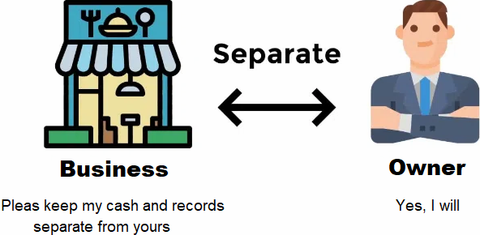
A family business may benefit from clearly distinguishing ownership, management, and family governance.
A family member who owns shares does not necessarily need to manage the company, and a manager does not necessarily need to hold controlling ownership.
Leadership Transition Planning
Leadership succession should identify the capabilities and responsibilities needed for future management.
A leadership plan may include:
Current leadership responsibilities
Critical management positions
Potential successors
Required qualifications
Training and development
Delegation of authority
Emergency leadership procedures
Decision-making responsibilities
Transition timelines
Communication plans
Businesses can also identify interim leadership arrangements in case an owner or executive becomes unexpectedly unavailable.
Business Valuation
Valuation is often an important part of succession planning.
A business valuation may consider:
Revenue
Earnings
Cash flow
Assets
Liabilities
Industry conditions
Customer concentration
Intellectual property
Management structure
Growth expectations
Comparable transactions
Common valuation approaches include income-based, market-based, and asset-based methods.
The appropriate methodology depends on the business, valuation purpose, available information, and professional standards.
A predetermined valuation methodology can also help reduce uncertainty when ownership changes occur.
Buy-Sell Agreements
A buy-sell agreement can establish rules for transferring ownership interests when specified events occur.
Possible triggering events include:
Death
Disability
Retirement
Voluntary departure
Divorce
Bankruptcy
Dispute
Termination of employment
Other events defined in the agreement
A buy-sell agreement may address:
Who can purchase the ownership interest
Who must purchase it
Valuation methodology
Payment terms
Funding mechanisms
Transfer restrictions
Voting rights
Dispute procedures
The agreement should be coordinated with the company's governing documents and applicable state law.
Life Insurance and Succession Planning
Life insurance can sometimes be incorporated into a succession strategy when ownership interests need to be transferred following an owner's death.
For example, a buy-sell arrangement may use life-insurance proceeds as a source of liquidity for an ownership purchase.
The appropriate structure depends on the business entity, ownership arrangement, policy terms, tax considerations, and applicable law.
Insurance should therefore be coordinated with the broader succession plan rather than treated as a standalone solution.
Estate Planning and Business Ownership
Business ownership can represent a significant portion of an owner's estate.
Estate planning may therefore need to coordinate:
Wills
Trusts
Business interests
Beneficiary designations
Ownership agreements
Gifting strategies
Estate and gift taxes
Liquidity planning
Family governance
A succession plan that is inconsistent with an owner's estate documents can create unnecessary uncertainty or conflict.
Business owners should periodically compare their ownership records, operating agreements, shareholder agreements, trusts, wills, and beneficiary arrangements.
Tax Considerations
Business succession can have federal and state tax implications.
Potential areas include:
Income tax
Capital gains tax
Estate tax
Gift tax
Payroll considerations
Entity-level taxation
Basis adjustments
Installment-sale rules
Trust taxation
Tax treatment depends heavily on the transaction structure and the business entity.
Current IRS guidance and professional tax advice should be reviewed before implementing a significant ownership transfer.
Legal Documents and Governance
A succession plan may involve multiple documents rather than one standalone agreement.
Potential documents include:
Buy-sell agreements
Operating agreements
Shareholder agreements
Partnership agreements
Employment agreements
Executive agreements
Trust documents
Wills
Powers of attorney
Corporate resolutions
Ownership-transfer documents
The documents should work together and reflect the actual ownership and management structure of the business.
Unexpected Succession Events
Succession planning should not focus only on planned retirement.
Businesses can also face unexpected transitions caused by:
Death
Disability
Serious illness
Sudden departure
Family disputes
Financial distress
Loss of a key executive
Ownership disagreements
An emergency succession plan can identify temporary authority, access to important records, communication responsibilities, and immediate operational priorities.
Family Governance
Family governance can help separate family relationships from business decision-making.
A family governance framework may address:
Family meetings
Ownership education
Communication procedures
Employment expectations
Voting arrangements
Conflict-resolution processes
Dividend or distribution policies
Entry and exit rules
Leadership development
Clear governance rules can help family members understand how business decisions are made.
Recent Developments
Business succession planning continues to evolve alongside changes in tax rules, ownership structures, financing conditions, and family-business demographics.
Digital assets and technology businesses also create additional succession considerations. Owners may need to identify access to:
Domain registrations
Software systems
Digital accounts
Intellectual property
Customer databases
Cloud platforms
Cryptocurrency or other digital assets where applicable
Another continuing development is the use of professional management and structured ownership arrangements in family businesses. Separating ownership from day-to-day management can provide additional flexibility when family members have different interests or capabilities.
Because tax and business laws can change, succession documents should be reviewed periodically rather than treated as permanent documents.
Laws, Policies, and Compliance
Business succession can involve several areas of law and regulation, depending on the transaction.
Important areas may include:
State business-entity laws
Corporate or partnership governance rules
Estate and gift tax rules
Federal and state income-tax rules
Securities regulations where applicable
Employment requirements
Trust and estate laws
Insurance regulations
Financing requirements
Contractual transfer restrictions
The company's governing jurisdiction and entity type can significantly affect how ownership interests may be transferred.
Existing contracts should also be reviewed for change-of-control or ownership-transfer provisions.
Business Succession Planning Checklist
Before implementing a succession plan, consider:
Identify the current ownership structure
Define the desired future ownership
Identify potential successors
Separate ownership from management responsibilities
Establish a leadership-transition plan
Review business valuation information
Create or review a buy-sell agreement
Establish an appropriate valuation methodology
Consider funding requirements
Review insurance arrangements where applicable
Coordinate business and estate documents
Review tax implications
Document family governance expectations
Address unexpected succession events
Review change-of-control provisions
Establish a document-review schedule
Tools and Resources
Useful resources for business succession planning include:
IRS: Federal information concerning business taxation, estate and gift taxes, and ownership transfers.
U.S. Small Business Administration: General information concerning business planning and ownership transitions.
State business authorities: Entity records, filing requirements, and applicable business laws.
Business valuation professionals: Independent valuation analysis for ownership-transfer planning.
Estate-planning attorneys: Coordination of business ownership with wills, trusts, and estate documents.
Business attorneys: Assistance with ownership agreements, governance documents, and transfer provisions.
Qualified tax professionals: Analysis of tax implications associated with ownership transitions.
Insurance professionals: Evaluation of insurance arrangements that may support succession planning.
FAQs
What is business succession planning?
Business succession planning is the process of preparing for a future transfer of business ownership, leadership, or control. It can address planned events such as retirement as well as unexpected events such as death or disability.
How can ownership of a family business be transferred?
Ownership may be transferred through a sale, gift, inheritance, trust arrangement, gradual transfer, or another legally permitted structure. The appropriate approach depends on the business, ownership structure, tax considerations, and applicable law.
What is a buy-sell agreement?
A buy-sell agreement establishes rules for transferring business ownership interests when specified events occur. It can address eligible purchasers, valuation, payment terms, transfer restrictions, and triggering events.
Should ownership and management transfer at the same time?
Not necessarily. Ownership can transfer to family members, partners, or other owners while day-to-day management remains with existing executives or professional managers.
How often should a succession plan be reviewed?
There is no universal interval. Businesses should consider reviewing succession documents when ownership, leadership, family circumstances, business structure, tax rules, or significant financial conditions change.
Conclusion
Business succession planning brings together ownership transfer, leadership continuity, valuation, governance, financial planning, estate planning, and legal documentation.
For family businesses, separating ownership, management, and family governance can help clarify responsibilities and expectations. Buy-sell agreements and clearly defined valuation methods can also establish a framework for ownership transitions.
A useful succession plan should address both expected and unexpected events and should be coordinated with the company's governing documents and the owner's broader estate plan.
Because business, tax, and estate laws vary by jurisdiction and can change over time, succession documents should be reviewed periodically with appropriately qualified professionals.

Related Post...


Inheritance Planning Guide: Beneficiary Decisions, Estate Documents, Tax Factors, and Practical Tips
Updated: September 30, 2026
Read More
Marital Property Guide: Asset Division, Financial Decisions, Legal Rules, and Planning Insights
Updated: September 30, 2026
Read More