Bridal Kalire Designs: Explore Styles, Designs, Trends, and Useful Resources
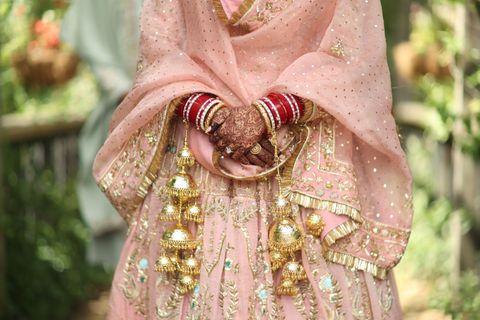
Kalire are traditional hanging ornaments worn by brides, particularly during Punjabi weddings and related North Indian ceremonies. They are generally attached to the bride's chooda, a set of red, ivory, or other coloured bridal bangles traditionally worn around the wrists.
Bridal kalire designs have evolved from relatively simple traditional ornaments into a wide range of decorative styles. They may feature metal domes, bells, pearls, beads, floral motifs, crystals, tassels, or personalized elements.
Kalire are often associated with blessings, happiness, prosperity, and good wishes for the bride's married life. Their exact symbolism and the customs surrounding them can vary between families and communities.
In many Punjabi wedding traditions, the bride's family members or close relatives participate in the kalire ceremony. The ornaments are tied to the bride's bangles, and a playful ritual may involve the bride shaking them over unmarried female relatives or friends. Specific practices differ across families.
Today, kalire are also considered an important part of bridal styling. Their shape, colour, material, and hanging length are often coordinated with the bride's outfit, jewellery, and wedding theme.
Why Bridal Kalire Matter in Wedding Styling
Kalire are more than decorative wrist ornaments. They connect traditional wedding customs with personal style and family preferences.
Their importance can be understood through several aspects:
Cultural connection: They represent customs followed in many Punjabi and North Indian weddings.
Family participation: The ceremony can involve close relatives and create a shared wedding memory.
Traditional styling: Kalire complement chooda, bangles, mehndi, and other bridal jewellery.
Personal expression: Brides can select motifs, colours, initials, or decorative elements that reflect their preferences.
Photography: Their hanging shapes and movement make them visually noticeable in wedding photographs.
Design variety: Traditional and contemporary styles allow different combinations with bridal outfits.
The choice should also consider comfort. Kalire that are excessively long or heavy may interfere with hand movements during ceremonies, photography, or other wedding activities.
Popular Types of Bridal Kalire
Kalire are available in several designs, with differences in materials, shapes, decorative details, and overall appearance.
| Kalire Type | Main Features | Common Styling |
|---|---|---|
| Traditional Punjabi kalire | Dome-shaped metal ornaments and hanging elements | Classic bridal outfits |
| Gold-plated kalire | Golden-coloured decorative finish | Red, maroon, and gold outfits |
| Pearl kalire | Pearl strings and hanging pearl details | Pastel and ivory outfits |
| Floral kalire | Flower-inspired motifs and decorative petals | Garden or daytime weddings |
| Minimalist kalire | Simple shapes and fewer hanging elements | Contemporary bridal looks |
| Customized kalire | Initials, names, dates, or personal symbols | Personalized wedding themes |
| Lightweight kalire | Reduced weight and simpler construction | Long ceremonies |
| Multi-layer kalire | Several hanging sections and decorative elements | Detailed traditional styling |
Designer Bridal Kalire
Designer bridal kalire combine traditional forms with contemporary jewellery-making techniques. They may include handcrafted motifs, layered structures, decorative stones, enamel details, pearls, and personalized elements.
Some common design directions include:
Peacock-inspired patterns
Lotus and floral motifs
Traditional dome-shaped ornaments
Temple-inspired detailing
Geometric patterns
Pearl and crystal combinations
Tassel-based designs
Personalized initials and wedding dates
A designer pattern does not necessarily have to be elaborate. Some brides prefer a simple base ornament with a few carefully arranged hanging elements.
The most suitable design depends on the bridal outfit, wrist proportions, chooda style, and the amount of jewellery worn elsewhere.
Gold-Plated Bridal Kalire
Gold plated bridal kalire have a golden appearance and are commonly coordinated with traditional bridal jewellery.
They may feature:
Dome-shaped metal bases
Gold-tone chains
Decorative bells
Pearl drops
Stone embellishments
Engraved patterns
Floral or traditional motifs
Gold-plated ornaments should not automatically be described as solid gold. A plated article generally has a base material covered with a thin decorative metal layer. Its composition and finish depend on the manufacturer's specifications.
When examining this category, useful details include the base metal, plating method, surface finish, weight, and care instructions.
Pearl Bridal Kalire
Pearl bridal kalire use pearls as their main decorative feature. They can have a soft, balanced appearance and are often paired with ivory, pastel, pink, champagne, or traditional red bridal outfits.
Common arrangements include:
Single-strand pearl drops
Multi-layer pearl strings
Pearl and gold-tone combinations
Pearl tassels
Pearl clusters
Pearl and crystal patterns
Pearl ornaments can also be coordinated with pearl necklaces, earrings, passa, or other bridal accessories.
The pearl material should be identified clearly. Natural pearls, cultured pearls, and imitation pearls are different categories and should not be treated as identical.
Lightweight Bridal Kalire
Lightweight bridal kalire are designed to reduce the weight placed on the bride's wrists while retaining a decorative appearance.
They may use smaller base ornaments, fewer hanging chains, lightweight metal alloys, imitation pearls, or simplified decorative elements.
Important points to examine include:
Total pair weight
Attachment strength
Chain flexibility
Length of hanging elements
Smoothness of edges
Comfort during wrist movement
Compatibility with the chooda
A lighter design can be practical during long wedding ceremonies, especially when the bride is also wearing several bangles, bracelets, or hand ornaments.
Hanging Bridal Kalire Designs
Hanging bridal kalire designs are recognized by their suspended decorative elements. These may include chains, bells, pearls, beads, flowers, small motifs, or tassels.
The arrangement can be symmetrical or asymmetrical, depending on the design.
Common variations include:
Long multi-layer hanging chains
Short bell-shaped drops
Pearl strings of different lengths
Floral hanging elements
Tassel-based ornaments
Mixed-metal decorative patterns
Length is an important design consideration. Very long hanging elements may become tangled with clothing or other jewellery. A balanced design should allow natural wrist movement and remain comfortable throughout the ceremony.
Punjabi Bridal Kalire and Traditional Customs
Punjabi bridal kalire are closely connected with the chooda ceremony in many Punjabi wedding traditions.
The chooda is traditionally placed on the bride's wrists, followed by the attachment of kalire. Relatives may participate in the ceremony, and the bride may shake the ornaments over unmarried women as part of a playful custom.
The meaning and exact form of the ritual are not universal. They may differ according to family traditions, regional backgrounds, and personal preferences.
Traditional kalire often feature gold-coloured metal, dome-like structures, and hanging elements. Contemporary interpretations may incorporate pearls, flowers, crystals, personalized charms, and pastel colours.
This combination of cultural continuity and individual styling explains why kalire remain a recognizable part of many modern Punjabi bridal looks.
Recent Bridal Jewellery Trends in 2026
Bridal jewellery trends during 2026 show a growing interest in balancing visual impact with comfort and versatility.
The Indian Institute of Gems and Jewellery, in its article published on 27 May 2026, discussed a design-led approach to wedding jewellery. It highlighted statement pieces, refined styling, and a preference for visual presence without unnecessary weight. It also noted continued interest in Polki, Kundan, Jadau, and antique-inspired finishes. <Cite refs={["turn755464search9"]}/>
These broader jewellery trends can also influence kalire styling.
Some design directions to explore include:
Lighter hanging structures
Pearl and metal combinations
Antique-inspired finishes
Floral and nature-inspired motifs
Personalized decorative charms
Coordinated bridal jewellery sets
Soft colours alongside traditional red and gold
Designs that can be preserved as wedding keepsakes
These are broad styling directions rather than a fixed list of designs followed by every bride. Personal preference and regional customs remain important.
Choosing Kalire to Match the Bridal Outfit
Kalire should complement the overall bridal appearance rather than compete with every other accessory.
| Bridal Outfit | Kalire Styling Idea |
|---|---|
| Traditional red lehenga | Gold-tone or pearl-accented kalire |
| Ivory or cream outfit | Pearl and champagne-tone details |
| Pastel lehenga | Floral or delicate pearl designs |
| Maroon bridal outfit | Antique gold-inspired patterns |
| Pink bridal outfit | Rose-tone or pearl combinations |
| Contemporary outfit | Minimalist or geometric kalire |
| Heavily embroidered outfit | Balanced designs with controlled detailing |
The chooda colour, sleeve length, embroidery, hand jewellery, and overall outfit design should also be considered.
Laws, Standards, and Consumer Awareness in India
Bridal kalire can be made from different materials, including plated metals, alloys, pearls, imitation stones, and precious metals. The applicable consumer information depends on the material and how the ornament is represented.
In India, the Bureau of Indian Standards (BIS) operates the hallmarking framework for gold jewellery and artefacts. Mandatory hallmarking was expanded to additional districts in 2026. A government announcement dated 13 March 2026 confirmed that the sixth phase, effective from 2 March 2026, added seven districts and brought the total to 380 districts covered under mandatory gold hallmarking. <Cite refs={["turn755464search4"]}/>
However, a gold-coloured or gold-plated kalire should not automatically be treated as solid gold jewellery covered by gold-purity hallmarking. Hallmarking relates to qualifying precious-metal articles and their declared fineness.
For ornaments represented as gold, consumers can use the BIS CARE application to verify a six-digit Hallmark Unique Identification (HUID), where applicable. BIS explains that this feature provides details associated with a hallmarked article. <Cite refs={["turn755464search0","turn755464search7"]}/>
When researching bridal ornaments, it is useful to check:
Whether the article is solid gold, gold-plated, or another material
The base metal and decorative finish
Whether pearls are natural, cultured, or imitation
Whether stones are natural or synthetic
Whether a hallmark is applicable
The care and storage instructions
The written description of the ornament
Clear material descriptions help avoid confusion between decorative finishes and precious-metal composition.
Tools and Useful Resources
A few simple resources can help with bridal jewellery research and planning.
BIS CARE App: Useful for checking the HUID details of qualifying hallmarked gold jewellery. <Cite refs={["turn755464search0"]}/>
Bridal styling mood board: Collect photographs of the wedding outfit, chooda, jewellery, and preferred kalire styles to compare colour and design combinations.
Jewellery measurement checklist: Record pair weight, hanging length, wrist fit, attachment type, and ornament dimensions.
Material identification sheet: Note the base metal, plating, pearl type, stones, and care instructions.
Wedding accessory planner: Organize jewellery and accessories by ceremony, outfit, and required storage arrangements.
Photo comparison tool: Compare different designs against the bridal outfit under similar lighting to understand colour coordination.
Best Practices for Selecting and Maintaining Bridal Kalire
A thoughtful selection process can help balance appearance, comfort, and practical use.
Match the design with the chooda and bridal outfit.
Check the weight of the complete pair.
Examine the strength of the attachment points.
Choose a suitable hanging length.
Check for sharp edges or loose components.
Confirm the material and decorative finish.
Avoid excessive pressure on delicate chains.
Store ornaments separately to reduce scratches and tangling.
Keep plated jewellery away from moisture and harsh chemicals.
Follow the manufacturer's cleaning instructions.
After the wedding, kalire can be preserved in a dry, padded jewellery box. Keeping them separate from heavier ornaments can help protect delicate hanging elements.
Frequently Asked Questions
What are bridal kalire?
Bridal kalire are hanging ornaments traditionally attached to a bride's chooda, particularly in many Punjabi and North Indian wedding customs. They often feature metal elements, bells, pearls, beads, or decorative motifs.
What is the difference between gold-plated and solid-gold kalire?
Gold-plated kalire have a base material covered with a decorative gold layer. Solid-gold articles are made from a gold alloy with a specified fineness. Their material descriptions and applicable hallmarking requirements are different.
Are lightweight bridal kalire suitable for traditional weddings?
Yes. Lightweight designs can retain traditional shapes and decorative elements while reducing wrist weight. Their suitability depends on the bride's preferences and family customs.
How can pearl bridal kalire be coordinated with a wedding outfit?
Pearl kalire can complement ivory, pastel, pink, champagne, and traditional outfits. They can also be coordinated with pearl earrings, necklaces, or other hand jewellery.
How should bridal kalire be stored after the wedding?
Store them in a dry, padded jewellery box, away from moisture, direct contact with perfumes, and harsh chemicals. Separate hanging elements to prevent tangling and scratches.
Conclusion
Bridal kalire combine cultural tradition with personal jewellery styling. From classic Punjabi patterns to designer bridal kalire, pearl arrangements, gold-plated finishes, and lightweight hanging structures, the available styles reflect a wide range of preferences.
The 2026 bridal jewellery discussion highlights a broader interest in thoughtful design, visual balance, and comfortable wear. These ideas can be applied to kalire while retaining the customs and personal meaning associated with the wedding ceremony.
When exploring bridal kalire designs, it is useful to consider material composition, weight, hanging length, outfit coordination, attachment quality, and care requirements. Understanding these details can help readers appreciate the craftsmanship and cultural context of this distinctive bridal ornament.
Disclaimer: This article is intended for general informational and educational purposes only. It does not claim to establish cultural, religious, financial, or material facts beyond the information cited and described. Traditions and preferences may vary among individuals, families, and communities. This article does not sell, advertise, endorse, or promote any jewellery, product, brand, manufacturer, or retailer. Readers should independently verify material descriptions, applicable standards, and other relevant details before making personal decisions.

Related Post...

Festive Tassel Earrings: Complete Guide to Basics, Designs, Facts, Knowledge, and Best Practices
Updated: November 06, 2026
Read More
Turquoise Jewellery Collection: Complete Guide to Basics, Designs, Facts, Knowledge, and Best Practices
Updated: November 06, 2026
Read More
Cocktail Rings for Parties: Explore Styles, Designs, Trends, and Useful Resources
Updated: November 06, 2026
Read More