Beautiful Hotels in India Explained: Luxury Architecture, Heritage Properties, Scenic Locations & Hospitality Insights
India has a diverse collection of hotels that reflect the country's architecture, geography, history and cultural traditions. From historic palaces and restored havelis to contemporary high-rise properties and peaceful mountain retreats, hotels across the country offer a wide range of architectural and environmental experiences.
The appearance of a hotel is influenced by several factors, including its location, building materials, design philosophy, regional traditions and surrounding landscape. Some properties are recognised for their historical importance, while others attract attention through modern architecture, natural surroundings, artistic interiors or distinctive cultural elements.
Beautiful hotels are not defined by appearance alone. Their atmosphere, landscape integration, interior planning, cultural identity and approach to hospitality all contribute to the overall experience.
This guide explores the different characteristics that make hotels in India architecturally interesting, visually distinctive and culturally significant.
1. Understanding Beautiful Hotels in India
Beautiful hotels are accommodation properties whose architecture, surroundings, interior design or historical character create a distinctive visual identity.
India's geographical and cultural diversity provides many opportunities for different architectural approaches. A hotel in Rajasthan may reflect traditional courtyard planning, while a property in Kerala may incorporate sloping roofs and timber construction suited to a tropical climate.
Similarly, mountain properties in Himachal Pradesh and Uttarakhand often use natural materials and large windows to connect indoor spaces with surrounding landscapes.
Several elements commonly contribute to a hotel's visual appeal:
Architectural design and building proportions
Interior decoration and spatial arrangement
Natural surroundings and landscape views
Cultural and historical influences
Lighting, materials and colour combinations
Gardens, courtyards and outdoor spaces
Integration with local environmental conditions
2. Heritage Hotels: Preserving India's Architectural History
Heritage hotels are among the most distinctive accommodation properties in India. Many are located in buildings that previously served as royal residences, merchant mansions, forts, palaces or traditional family homes.
Their architectural details often preserve regional construction techniques and decorative traditions.
Rajasthan's palace and haveli architecture
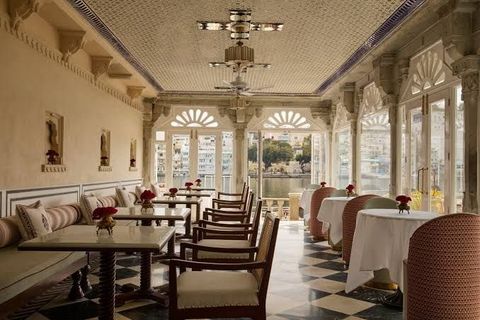
Rajasthan is widely recognised for its historic palaces, forts and havelis. These buildings often feature carved stonework, decorative balconies, courtyards, arches, domes and elaborate entranceways.
Traditional havelis were generally organised around internal courtyards. This arrangement supported privacy, ventilation and natural lighting while creating separate spaces for family activities and visitors.
Some historic properties have been adapted into hotels while retaining important architectural features.
Examples of heritage architecture include:
Hawa Mahal-inspired window patterns
Rajput-style arches and balconies
Decorative jharokhas
Painted ceilings and wall murals
Stone-carved pillars
Traditional courtyards and fountains
Mughal architectural influences
Mughal architecture has also influenced several historic buildings across India. Symmetrical layouts, gardens, domes, decorative arches and detailed stonework are common characteristics.
Some heritage properties incorporate these elements into their architectural identity, reflecting the historical interaction of Persian, Central Asian and Indian design traditions.
Southern Indian heritage properties
Southern India has a different architectural character. Traditional buildings may feature timber pillars, sloping tiled roofs, open courtyards, carved wooden elements and climate-responsive layouts.
Kerala's traditional nalukettu houses, for example, are organised around central courtyards and reflect regional approaches to ventilation and everyday living.
3. Luxury Hotels and Contemporary Architecture
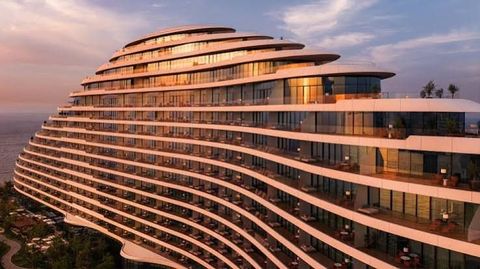
Modern luxury hotels in India often combine international architectural concepts with regional design influences.
Their visual identity may include spacious lobbies, glass façades, landscaped entrances, large windows, contemporary artwork and carefully planned lighting.
Some properties use minimalist design, while others incorporate traditional Indian materials and decorative elements.
Common architectural features include:
Large open spaces and high ceilings
Glass façades and natural lighting
Contemporary furniture and interior finishes
Landscaped terraces and gardens
Water features and decorative lighting
Art installations and regional design elements
Indoor and outdoor spaces connected through open layouts
Contemporary architecture also considers energy efficiency, natural ventilation, daylight management and responsible material selection.
These factors can influence how a hotel is designed, maintained and integrated into its surroundings.
4. Scenic Hotels in India's Natural Landscapes
India's natural geography provides a wide range of settings for visually distinctive hotels. Mountains, beaches, forests, lakes, deserts and valleys influence both building design and the surrounding atmosphere.
Mountain hotels
<PRIVATE_PERSON> and other Himalayan regions have properties that are designed around mountain views, forest landscapes and changing weather conditions.
Mountain architecture commonly includes:
Sloping roofs designed for rain or snowfall
Wooden interiors and natural finishes
Large windows facing scenic landscapes
Balconies and outdoor viewing areas
Stone or timber construction
Heating and insulation systems
Properties in Himachal Pradesh, Uttarakhand, Sikkim and Kashmir demonstrate different approaches to mountain architecture.
Beachside hotels
Coastal hotels often use open layouts, natural ventilation and outdoor spaces to connect buildings with the surrounding environment.
Common features include:
Sea-facing balconies
Open terraces
Tropical gardens
Natural stone and timber finishes
Shaded outdoor seating
Large windows and open corridors
Goa, Kerala, Karnataka, Tamil Nadu and the Andaman and Nicobar Islands have different coastal environments that influence architectural planning.
Desert hotels
Desert properties, particularly in Rajasthan, often use traditional building materials and design principles suited to hot and dry climates.
Thick walls, shaded courtyards, small exterior openings and light-coloured surfaces can help manage indoor temperatures.
Some desert properties also incorporate traditional tents, stone structures and local decorative patterns.
Lakefront hotels
Hotels near lakes often use balconies, landscaped gardens and open viewing areas to create a connection with the water.
Udaipur and Srinagar are well known for their lake-related architectural and hospitality traditions.
5. Famous Hotel Destinations Across India
India has several destinations recognised for distinctive accommodation architecture and natural surroundings.
| Destination | Notable characteristics |
|---|---|
| Udaipur, Rajasthan | Lake views, palace architecture and heritage buildings |
| Jaipur, Rajasthan | Havelis, forts and traditional decorative details |
| Jaisalmer, Rajasthan | Golden sandstone architecture and desert landscapes |
| Goa | Coastal architecture, tropical gardens and beach surroundings |
| Munnar, Kerala | Tea plantations, hills and misty landscapes |
| Srinagar, Jammu and Kashmir | Lakes, mountain scenery and traditional houseboats |
| Shimla, Himachal Pradesh | Colonial-era architecture and mountain views |
| Kochi, Kerala | Historic trading influences and coastal heritage |
| Rishikesh, Uttarakhand | River landscapes and Himalayan surroundings |
| Darjeeling, West Bengal | Mountain views, tea gardens and colonial influences |
These destinations illustrate how geography and local history influence hotel design.
6. Interior Design and Decorative Elements
Interior design plays an important role in establishing a hotel's identity. Furniture, flooring, wall finishes, lighting and artwork contribute to the atmosphere of different spaces.
Indian hotel interiors often combine traditional craftsmanship with contemporary planning.
Traditional decorative elements
Regional decorative styles may include:
Hand-painted wall patterns
Carved wooden furniture
Brass and copper decorative objects
Traditional textiles
Stone inlay work
Marble flooring
Handcrafted lamps
Regional paintings and artwork
Contemporary interior design
Modern properties may use neutral colour palettes, simple furniture, clean lines and carefully selected materials.
Natural textures such as wood, stone, linen and woven fabrics can create a balanced visual environment.
Lighting design
Lighting affects how interior spaces are perceived. Hotels may use natural daylight, indirect ceiling lights, decorative fixtures and outdoor illumination to create different atmospheres.
Well-planned lighting also improves visibility and supports the practical use of shared spaces.
7. Cultural Experiences and Regional Identity
Hotels can provide a connection to the cultural traditions of their surrounding regions. This may be reflected through architecture, food, music, artwork, festivals and traditional craftsmanship.
For example, properties in Rajasthan may display miniature paintings, folk-art patterns and traditional textiles. Hotels in Kerala may incorporate local woodwork, regional cuisine and traditional architectural forms.
Cultural elements can include:
Regional music and dance performances
Traditional food and culinary demonstrations
Local handicraft displays
Historical architecture and storytelling
Festival-related decorations
Traditional textile and art exhibitions
Regional landscaping and garden design
The inclusion of local cultural elements helps distinguish properties from standardised architectural environments.
8. Hospitality Features and Accommodation Facilities
A hotel's overall identity also depends on how its spaces are organised and maintained.
Accommodation properties generally include several functional areas that support visitors and daily operations.
Guest rooms
Guest rooms may include sleeping areas, storage, seating, bathrooms, lighting controls and climate-management systems.
Their layout is influenced by room size, architectural style and the intended accommodation category.
Dining areas
Restaurants, cafés and dining halls are commonly designed around seating arrangements, lighting, ventilation and kitchen access.
Some heritage properties use traditional courtyards or outdoor dining spaces, while contemporary buildings may include rooftop or panoramic dining areas.
Recreational spaces
Depending on the property, recreational areas may include swimming pools, gardens, fitness rooms, libraries, indoor activity spaces and outdoor terraces.
Conference and event spaces
Larger hotels may contain meeting rooms, conference halls and banquet areas. These spaces require attention to acoustics, lighting, accessibility and flexible seating arrangements.
Accessibility and safety
Modern hotel planning also considers accessible entrances, lifts, suitable room layouts, emergency exits, fire protection and clear internal pathways.
9. Sustainable Architecture in the Indian Hospitality Sector
Sustainability has become an important consideration in hotel architecture and building management.
Hotels operate across different climatic regions and may require significant amounts of electricity, water and construction materials. Architectural planning can help reduce environmental pressure.
Energy management
Energy-efficient lighting, improved insulation, natural ventilation and suitable cooling systems can reduce unnecessary energy consumption.
Solar panels and solar water-heating systems are also used in some properties.
Water conservation
Water-efficient fixtures, rainwater harvesting, wastewater treatment and landscape irrigation planning can support responsible water management.
Local construction materials
Using locally available materials may reduce transportation requirements and support regional craftsmanship when materials are sourced responsibly.
Landscape planning
Native plants, shaded gardens and climate-appropriate landscaping can reduce irrigation requirements and improve the relationship between buildings and their surroundings.
Waste management
Waste separation, recycling, food-waste management and responsible purchasing practices are important parts of sustainable hotel operations.
10. Technology and Modern Hotel Infrastructure
Technology influences how modern hotels operate and how their buildings are managed.
Digital systems can support room management, security, energy monitoring and communication between different operational departments.
Important technologies include:
Smart room controls
Digital access systems
Energy-management platforms
Building automation systems
CCTV and access monitoring
High-speed internet infrastructure
Online reservation management
Electronic fire detection systems
Smart building technology can help monitor lighting, temperature, occupancy and energy consumption.
However, technology must be supported by appropriate maintenance, data protection practices and reliable infrastructure.
11. Important Factors That Influence Hotel Design
Hotel architecture is influenced by several practical and environmental considerations.
Climate
Buildings in hot regions may require shading, ventilation and thermal insulation. Properties in colder areas need suitable heating systems, insulated walls and weather-resistant roofs.
Location and terrain
Mountain slopes, coastal areas, desert environments and urban plots require different architectural approaches.
Local building traditions
Regional construction methods and decorative styles can influence materials, room layouts and exterior design.
Building regulations
Hotel development must follow applicable building codes, land-use regulations, fire-safety requirements and environmental rules.
Maintenance requirements
Materials and building systems should be selected with consideration for durability, weather exposure and long-term maintenance.
12. Recent Trends in Hotel Architecture and Hospitality
Several developments are influencing hotel architecture and hospitality planning in India.
Adaptive reuse of historic buildings
Older palaces, mansions and traditional buildings are increasingly recognised for their architectural and cultural importance. Adaptive reuse involves modifying an existing structure for a new purpose while retaining important historical features.
Nature-oriented design
Some new properties place greater emphasis on natural surroundings, open spaces, outdoor views and landscape integration.
Wellness-focused spaces
Hotels may include yoga areas, meditation spaces, gardens and recreational facilities that support relaxation and physical activity.
Local craftsmanship
Regional artwork, textiles, furniture and decorative techniques are being incorporated into contemporary interiors.
Energy-efficient buildings
Improved insulation, smart controls, efficient lighting and renewable-energy systems are becoming important considerations in building design.
These trends vary by property, region and development category.
13. Laws, Regulations and Standards Relevant to Hotels in India
Hotel construction and operations in India are influenced by national, state and local regulations.
Important areas of compliance include:
Building regulations: Applicable local building bylaws and development-control requirements.
Fire safety: Fire prevention systems, emergency exits, alarms and applicable fire approvals.
Environmental regulations: Relevant environmental permissions, waste-management rules and pollution-control requirements.
Food safety: Food-related activities must comply with applicable Food Safety and Standards Authority of India requirements.
Accessibility: Applicable accessibility provisions for people with disabilities.
Tourism classification: Hotel classification and recognition requirements administered through relevant tourism authorities.
Labour and workplace regulations: Applicable employment, workplace safety and statutory requirements.
The exact requirements depend on the property's location, size, category and activities. Developers and operators should consult the relevant authorities for current rules.
14. Resources for Understanding Hotel Architecture and Hospitality
Readers interested in hotel design and the hospitality sector can explore several educational resources.
Ministry of Tourism, Government of India: Information about tourism policies, tourism development and accommodation-related initiatives.
Bureau of Indian Standards: Relevant building and safety standards.
Food Safety and Standards Authority of India: Food hygiene and safety information.
Indian Green Building Council: Resources related to sustainable building practices.
UNESCO World Heritage Centre: Information about historically significant sites and cultural heritage.
National Institute of Design: Educational material related to design principles and creative disciplines.
Architectural publications: Research on building materials, interior planning and contemporary architecture.
These resources can help readers understand the relationship between architecture, tourism, heritage and modern hospitality.
15. Frequently Asked Questions
1. What makes a hotel beautiful?
A hotel's visual appeal can come from its architecture, interior design, natural surroundings, landscaping, lighting and cultural identity. Historical significance and thoughtful spatial planning can also contribute to its character.
2. Which Indian destinations are known for heritage hotels?
Rajasthan is particularly recognised for heritage accommodation in destinations such as Jaipur, Udaipur and Jaisalmer. Other regions, including Kerala, Goa and parts of Maharashtra, also have historic properties adapted for accommodation.
3. What is the difference between a heritage hotel and a modern luxury hotel?
A heritage hotel generally operates in a historically significant building or incorporates traditional architectural features. A modern luxury hotel usually emphasises contemporary design, advanced facilities and modern building systems. Some properties combine both approaches.
4. Why are scenic hotels popular in India?
India has diverse natural landscapes, including mountains, beaches, forests, lakes and deserts. Hotels located in these environments can provide distinctive views and architectural connections with nature.
5. What architectural features are common in Rajasthan's heritage hotels?
Common features include courtyards, jharokhas, carved stonework, arches, domes, decorative balconies and traditional wall paintings.
6. How do hotels incorporate local culture into their design?
Hotels may use regional artwork, traditional textiles, local materials, architectural patterns, handcrafted furniture and culturally influenced food and decorative elements.
7. What is sustainable hotel architecture?
Sustainable hotel architecture focuses on reducing environmental impact through efficient energy use, water conservation, responsible material selection, natural ventilation and appropriate landscape planning.
8. How does technology influence modern hotels?
Technology supports building automation, room controls, energy monitoring, security systems, digital reservations and operational coordination.
Conclusion
Beautiful hotels in India represent a combination of architectural creativity, cultural heritage, natural surroundings and modern hospitality planning. From Rajasthan's historic palaces to Kerala's traditional buildings and the mountain properties of the Himalayas, each region contributes a distinctive design identity.
The hospitality sector continues to combine traditional craftsmanship with contemporary architecture, technology and sustainability practices. Understanding these elements provides a broader perspective on how hotels are designed, developed and integrated into India's diverse cultural and geographical landscape.
Disclaimer: This article is intended solely for general educational and informational purposes. It does not promote, endorse or advertise any particular hotel, hospitality brand or commercial property. Architectural characteristics, facilities, regulations and operational practices may vary by location and property. Readers should verify current information through relevant official sources.

Related Post...

Discover MBA Programs: Specialization, Benefits, and Career Insights
Updated: November 19, 2026
Read More