Bathroom Grab Bar Structural Anchoring Discover Secure Installation Methods
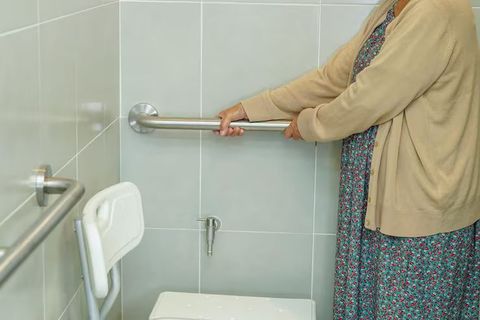
Bathroom safety depends on more than selecting durable fixtures. Bathroom grab bar structural anchoring plays a critical role in ensuring grab bars remain secure when supporting body weight during everyday movement. Proper anchoring transforms a simple safety accessory into a dependable support system capable of handling repeated use.
As accessibility awareness grows across residential, healthcare, hospitality, and commercial buildings, secure grab bar installation has become an essential part of bathroom design. Building professionals increasingly focus on structural support rather than appearance alone because the strength of the anchoring system ultimately determines long-term reliability.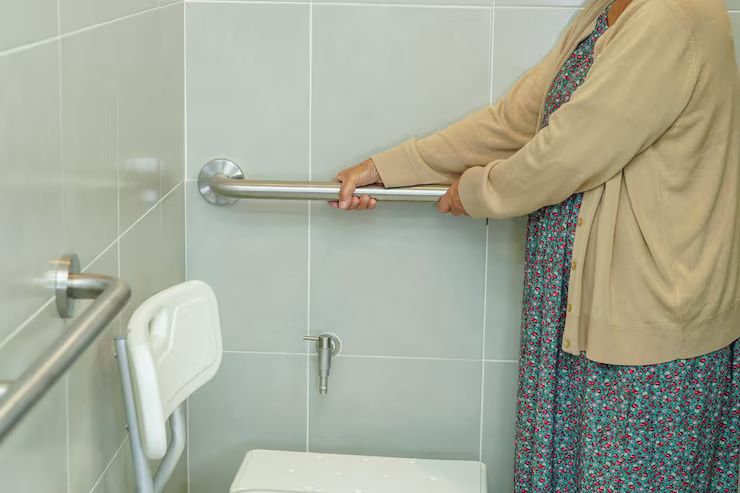
Understanding how structural anchoring works helps property owners, designers, builders, and facility managers recognize the factors that influence installation quality. From wall construction to fastening techniques, each element contributes to creating a stable and dependable installation.
Structural Support Determines Installation Strength
A grab bar is designed to transfer force directly into the building structure. Every time someone uses it for balance, sitting, standing, or movement, the mounting system must safely distribute that load without allowing excessive movement or loosening over time.
The strength of the grab bar itself is only one part of the overall system. Even a well-manufactured bar cannot perform effectively if it is attached to an inadequate mounting surface. Structural anchoring ensures that forces are transferred into framing members or reinforced wall sections capable of supporting repeated loading.
This principle applies equally to residential bathrooms, healthcare facilities, assisted living environments, and accessible public spaces where grab bars may experience frequent daily use.
Wall Construction Influences Anchoring Methods
Bathroom walls are built using different materials, and each construction type requires careful evaluation before installation begins.
Walls finished with ceramic tile often conceal drywall, cement board, or other backing materials supported by wood or metal framing. Solid masonry and concrete walls present different anchoring opportunities compared with framed partition walls.
When planning an installation, installers typically assess several factors:
- Wall composition
- Framing location
- Reinforcement availability
- Moisture protection
- Surface finish
- Existing plumbing or electrical systems
Understanding the wall assembly helps determine the most appropriate installation method while reducing the risk of damaging hidden building systems.
Reinforcement Improves Long-Term Reliability
Many accessible bathrooms include structural reinforcement during construction. Reinforcement commonly consists of solid wood blocking or engineered backing installed between wall studs before wall finishes are applied.
This reinforcement provides a continuous structural surface capable of supporting grab bars at various locations without relying solely on drywall or tile finishes.
Planning reinforcement during new construction or renovation offers greater flexibility for future accessibility improvements. It also allows grab bars to be positioned according to user needs rather than being limited by framing locations alone.
Selecting Appropriate Anchoring Hardware
Anchoring hardware must match both the wall structure and the anticipated loading conditions. Different wall assemblies require different fastening approaches to achieve dependable performance.
Wood framing installations generally use heavy-duty structural fasteners secured directly into framing members or reinforced blocking. Concrete and masonry walls often require specialized expansion or mechanical anchors designed specifically for solid materials.
Where engineered backing systems are present, compatible fasteners help distribute loads evenly while maintaining secure attachment throughout the life of the installation.
Choosing suitable hardware contributes significantly to installation durability and reduces the likelihood of loosening caused by repeated use.
Installation Accuracy Matters as Much as Hardware
Even high-quality anchors cannot compensate for inaccurate installation. Proper positioning, alignment, and fastening procedures ensure the grab bar functions as intended while maintaining structural integrity.
Installers typically verify wall conditions before drilling and confirm that mounting points align with structural support. Careful measurement also helps maintain consistent grab bar height and orientation, particularly in bathrooms designed for accessibility.
Attention to detail during installation minimizes unnecessary stress on fasteners while improving overall stability.
Moisture Protection Around Mounting Points
Bathrooms are naturally exposed to humidity, water splashes, and cleaning products that may affect wall assemblies over time.
When grab bars penetrate finished wall surfaces, installers often seal mounting locations to reduce moisture intrusion behind tiles or wall panels. Protecting these openings helps preserve surrounding materials while supporting long-term structural performance.
Moisture management also contributes to maintaining the condition of framing materials and reduces the possibility of deterioration within concealed wall spaces.
Accessibility Standards Support Consistent Installation
Accessible bathroom design frequently follows recognized building codes and accessibility guidelines that establish recommendations for grab bar placement, structural support, and installation practices.
These standards help designers create bathrooms that accommodate users with varying mobility requirements while promoting consistent installation quality across residential, healthcare, hospitality, and commercial environments.
Although project requirements may vary, following established guidance contributes to safer installations and improved long-term usability.
Routine Inspection Preserves Safety
Structural anchoring should remain reliable throughout years of regular use, but periodic inspection remains an important part of ongoing maintenance.
Facility managers and property owners often check grab bars for signs of movement, loose fasteners, damaged finishes, or deterioration around mounting locations. Identifying small issues early helps prevent larger structural concerns from developing.
Bathrooms that experience frequent use, such as those in hospitals, rehabilitation centers, hotels, and public buildings, may benefit from more frequent inspection schedules because of higher loading cycles.
Planning for Future Accessibility
Modern bathroom design increasingly considers future accessibility needs during construction rather than waiting until modifications become necessary.
Installing reinforcement behind finished walls provides flexibility for adding grab bars later without requiring extensive structural alterations. This forward-thinking approach simplifies future upgrades while supporting changing mobility requirements over the life of the building.
Thoughtful planning also helps reduce renovation complexity if accessibility improvements are needed after the original construction has been completed.
Conclusion
Bathroom grab bar structural anchoring is a fundamental element of safe and reliable bathroom design. Proper structural support, suitable anchoring hardware, accurate installation, and ongoing inspection work together to ensure grab bars perform consistently under everyday use.
By understanding how anchoring systems interact with wall construction and structural reinforcement, building professionals and property owners can make informed installation decisions that contribute to safer, more dependable bathroom environments for years to come.

Related Post...
Bathroom Grab Bar Structural Anchoring Discover Secure Installation Methods
Updated: July 18, 2026
Read More
Basement Foundation Waterproofing Discover Practical Solutions for Dry Spaces
Updated: July 18, 2026
Read More