Automated PCB Assembly Complete Guide to Modern Electronics Manufacturing
Printed Circuit Boards (PCBs) form the foundation of nearly every modern electronic device, from smartphones and computers to medical equipment, automotive systems, and industrial machinery.
As electronic products become more advanced and production volumes continue to grow, manufacturers increasingly rely on Automated PCB Assembly to improve efficiency, precision, and production consistency.
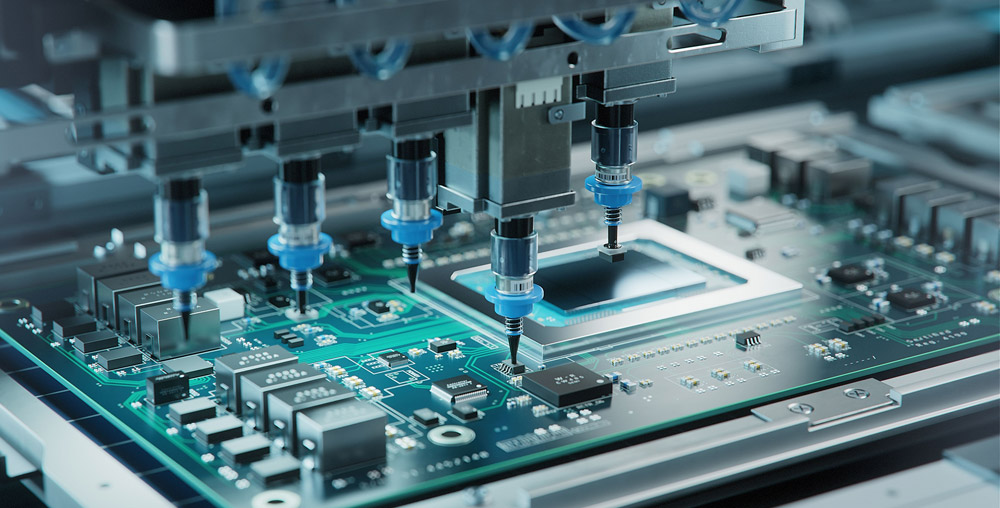
Automation has transformed electronics manufacturing by enabling high-speed component placement, enhanced quality control, and scalable production processes. Understanding how automated PCB assembly works can help manufacturers, engineers, students, and industry professionals better appreciate its role in modern electronics production.
Note: Assembly methods, equipment specifications, production capabilities, quality standards, and manufacturing processes vary by facility, product requirements, and industry regulations. This article is intended for educational purposes only.
What Is Automated PCB Assembly?
Automated PCB Assembly refers to the use of specialized machinery and computer-controlled systems to place, solder, inspect, and assemble electronic components onto printed circuit boards with minimal manual intervention.
The process is commonly used for manufacturing:
Consumer electronics
Telecommunications equipment
Medical devices
Automotive electronics
Industrial control systems
Aerospace electronics
Smart devices
Internet of Things (IoT) products
Automation helps support large-scale production while maintaining consistent quality standards.
Why Automated PCB Assembly Is Important
Modern electronic products often contain hundreds or thousands of components that require precise placement and reliable connections.
Key advantages of automation include:
High production speed
Improved placement accuracy
Consistent assembly quality
Reduced manual handling
Enhanced process repeatability
Scalable manufacturing operations
Better quality control
Increased production efficiency
These benefits make automation a critical part of electronics manufacturing.
Understanding the PCB Assembly Process
Automated PCB assembly typically follows a structured workflow.
PCB Preparation
Bare circuit boards are prepared for assembly operations.
Solder Paste Application
Solder paste is applied to designated component locations.
Component Placement
Automated machines position electronic components onto the board.
Reflow Soldering
Heat is applied to create permanent electrical connections.
Inspection and Testing
Quality control systems verify assembly accuracy and functionality.
Final Assembly
Completed boards may undergo additional integration and packaging processes.
Each stage contributes to overall product quality and reliability.
Key Equipment Used in Automated PCB Assembly
Several advanced machines work together within a production line.
Solder Paste Printers
Apply solder paste with high precision.
Pick-and-Place Machines
Automatically position electronic components onto circuit boards.
Reflow Ovens
Create solder joints through controlled heating profiles.
Automated Optical Inspection (AOI) Systems
Inspect assemblies for defects and placement accuracy.
X-Ray Inspection Systems
Evaluate hidden solder connections and internal structures.
Testing Equipment
Verify electrical performance and product functionality.
Equipment configurations vary depending on production requirements.
Types of PCB Assembly Technologies
Different assembly methods support different product designs.
Surface Mount Technology (SMT)
Components are mounted directly onto the board surface.
Through-Hole Technology (THT)
Components are inserted through drilled holes and secured.
Mixed Technology Assembly
Combines SMT and through-hole processes.
Manufacturers select technologies based on product specifications and performance requirements.
Industries That Use Automated PCB Assembly
Automated PCB assembly supports many sectors of the global economy.
Consumer Electronics
Supports production of phones, computers, and smart devices.
Automotive Industry
Manufactures electronic control units and vehicle electronics.
Healthcare Technology
Produces medical monitoring and diagnostic equipment.
Industrial Automation
Supports machinery control systems and sensors.
Aerospace and Defense
Manufactures high-reliability electronic assemblies.
Each industry requires specific quality and reliability standards.
Automated PCB Assembly Overview
| Assembly Stage | Primary Function |
|---|---|
| PCB Preparation | Ready board for assembly |
| Solder Paste Printing | Apply solder material |
| Component Placement | Position electronic parts |
| Reflow Soldering | Create electrical connections |
| Inspection | Verify assembly quality |
| Testing | Confirm functionality |
How Automation Improves Electronics Manufacturing
Automation contributes to operational performance in several ways.
Increased Production Speed
Machines can process large quantities of boards efficiently.
Higher Precision
Automated systems place components with exceptional accuracy.
Reduced Human Error
Computer-controlled operations improve consistency.
Better Quality Assurance
Integrated inspection systems identify defects early.
Scalable Production
Manufacturers can expand output as demand increases.
These capabilities support modern electronics supply chains.
Factors to Consider When Selecting Assembly Solutions
Organizations often evaluate multiple criteria before investing in automation.
Important considerations include:
Production volume requirements
Product complexity
Component size and density
Quality standards
Automation capabilities
Facility infrastructure
Maintenance requirements
Future scalability needs
Proper planning can help maximize operational effectiveness.
Current Trends in PCB Manufacturing
Electronics manufacturing continues to evolve rapidly.
Recent developments include:
Industry 4.0 integration
Artificial intelligence-assisted inspection
Smart factory connectivity
Advanced robotics
Real-time production monitoring
Digital manufacturing platforms
Predictive maintenance systems
Data-driven process optimization
These innovations are helping manufacturers improve efficiency and competitiveness.
Sustainability in Electronics Production
Manufacturers are increasingly focused on environmental responsibility.
Current initiatives include:
Energy-efficient equipment
Reduced material waste
Process optimization
Sustainable manufacturing practices
Improved recycling programs
Resource management systems
Sustainability considerations continue to influence production strategies.
Looking Ahead
The future of Automated PCB Assembly is expected to include greater automation, enhanced machine intelligence, improved inspection technologies, and deeper integration with smart manufacturing ecosystems. As electronic products become increasingly sophisticated, automated assembly systems will continue to play a central role in ensuring quality, efficiency, and scalability.
Why Understanding Automated PCB Assembly Matters
Understanding Automated PCB Assembly helps manufacturers, engineers, and technology professionals evaluate the systems that enable modern electronics production. Knowledge of assembly processes and automation technologies supports informed decision-making and continuous improvement initiatives.
Conclusion
Automated PCB Assembly is a cornerstone of modern electronics manufacturing, enabling the efficient production of complex electronic devices with high levels of precision and consistency. Through advanced equipment such as pick-and-place machines, reflow ovens, inspection systems, and testing platforms, manufacturers can meet the growing demand for reliable electronic products. As automation, artificial intelligence, and smart manufacturing technologies continue to advance, PCB assembly processes are expected to become even more efficient, intelligent, and adaptable.

Related Post...

Discover How Innovation and Balance Shape a Sustainable Tech Future
Updated: October 05, 2026
Read More
Explore How Connected TV Ads Improve Audience Reach on Streaming Platforms
Updated: October 16, 2026
Read More
Discover How Video Marketing Helps Brands Connect with Modern Audiences
Updated: September 19, 2026
Read More