Ambulance Equipment Guide: Emergency Medical Systems, Technology, and Planning
Ambulance equipment includes the medical devices, patient-care tools, communication systems, and safety equipment used during emergency transportation and prehospital care.
Equipment requirements can vary depending on the ambulance type, medical capability, local regulations, and the role of the emergency medical team.
Common categories include:
Patient stretchers and transport systems
Cardiac monitoring equipment
Defibrillators
Oxygen delivery systems
Airway management equipment
Emergency medications
Trauma equipment
Vital-sign monitoring devices
Immobilization equipment
Communication and navigation systems
Why Ambulance Equipment Matters
Emergency medical teams often need to assess and stabilize patients while transportation is underway. Equipment therefore needs to be accessible, reliable, appropriately maintained, and compatible with established clinical procedures.
Important capabilities may include:
Airway and breathing support
Cardiac assessment
Oxygen administration
Vital-sign monitoring
Bleeding and trauma management
Patient immobilization
Medication administration
Safe patient movement
Communication with receiving facilities
Equipment selection should reflect the clinical scope of the ambulance and the training of its personnel.
Major Ambulance Equipment Categories
Patient Transport Equipment
Stretchers, stair chairs, wheelchairs, transfer devices, and patient restraint systems help emergency teams move patients safely.
Modern stretcher systems may include adjustable positions, locking mechanisms, powered movement, and loading assistance.
Cardiac Equipment
Cardiac monitors and automated external defibrillators can be important components of emergency medical response.
Advanced cardiac monitors may provide information such as heart rhythm, blood pressure, oxygen saturation, and other measurements depending on the device.
Airway and Respiratory Equipment
Airway equipment may include oxygen cylinders, regulators, masks, suction systems, bag-valve masks, airway adjuncts, and other respiratory-support devices.
The equipment carried should correspond with the clinical protocols and scope of practice applicable to the emergency medical personnel.
Trauma Equipment
Trauma supplies can include:
Bandages and dressings
Tourniquets
Splints
Cervical and spinal-movement equipment
Burn-care supplies
Hemorrhage-control products
Emergency blankets
The exact inventory varies by ambulance type and local medical protocols.
Monitoring and Diagnostic Technology
Technology allows emergency teams to collect patient information during transport.
Common monitoring technologies include:
Pulse oximetry
Non-invasive blood-pressure monitoring
Temperature measurement
Cardiac rhythm monitoring
Capnography
Blood-glucose measurement
Some systems combine multiple measurements into a single monitor, allowing clinicians to review patient information from one device.
Electronic documentation can also help organize vital-sign readings, interventions, medication records, and patient information for handoff to the receiving medical facility.
Communication and Navigation Systems
Communication technology is an important part of ambulance operations.
Depending on the emergency system, ambulances may use:
Two-way radios
Cellular communication
GPS navigation
Computer-aided dispatch systems
Mobile data terminals
Electronic patient-care reporting systems
These technologies can support communication between ambulance crews, dispatch centers, hospitals, and other emergency agencies.
Reliable communication can also help crews receive updated information about incidents, traffic conditions, destinations, and operational changes.
Ambulance Safety Planning
Safety involves both patient care and the ambulance operating environment.
Important considerations include:
| Area | Planning Consideration |
|---|---|
| Equipment storage | Secure equipment during vehicle movement |
| Patient restraint | Appropriate restraints for transport |
| Electrical systems | Manage power requirements and battery capacity |
| Oxygen | Secure cylinders and manage oxygen-system safety |
| Infection control | Establish appropriate cleaning procedures |
| Visibility | Maintain adequate lighting for patient care |
| Communication | Maintain reliable communication systems |
| Vehicle access | Keep emergency equipment readily accessible |
Equipment should be secured so that it does not become a hazard during sudden braking or collisions.
Maintenance and Inspection
Ambulance equipment requires routine inspection because emergency teams may depend on it without advance notice.
A maintenance program may include:
Battery checks
Defibrillator testing
Oxygen-cylinder inspections
Monitor calibration checks
Stretcher and restraint inspections
Suction-system checks
Expiration-date monitoring
Cleaning and disinfection
Inventory verification
Documentation of maintenance activities
Manufacturers' instructions and applicable medical-device requirements should guide equipment maintenance.
Disposable supplies should also be monitored to ensure that essential inventory is available when needed.
Regulatory and Compliance Considerations
Ambulance operations are influenced by federal, state, local, and medical-oversight requirements.
In the United States, emergency medical services are largely regulated at the state level, while federal agencies such as the National Highway Traffic Safety Administration support national EMS guidance and development.
Medical devices used in ambulances may also fall under U.S. Food and Drug Administration requirements.
Ambulance operators should verify requirements applicable to their jurisdiction, vehicle classification, medical scope, equipment inventory, and personnel credentials.
Recent Technology Developments
Ambulance technology continues to evolve through connected medical devices, electronic records, telemedicine, and improved vehicle systems.
Telemedicine
Some EMS systems can transmit patient information to physicians or receiving hospitals while the ambulance is in transit.
Connected Monitoring
Network-enabled monitors can potentially transmit selected vital-sign information and other clinical data to authorized medical teams.
Electronic Patient Records
Digital reporting can improve documentation and make patient information easier to transfer between emergency responders and healthcare facilities.
Advanced Vehicle Systems
Modern ambulances increasingly incorporate improved electrical management, climate control, lighting, equipment storage, and ergonomic designs.
Technology adoption should be evaluated according to reliability, clinical usefulness, cybersecurity, training requirements, and applicable regulations.
Tools and Resources
Useful planning resources include:
NHTSA EMS resources: National guidance and educational materials for emergency medical systems
FDA medical-device information: Regulatory information for applicable medical equipment
State EMS offices: Licensing, ambulance, and personnel requirements
Equipment manufacturer manuals: Operating and maintenance instructions
EMS inventory checklists: Tools for organizing equipment and supplies
Electronic patient-care systems: Digital documentation and reporting platforms
Vehicle maintenance records: Documentation of inspections and repairs
Local medical direction and operational policies should remain central when establishing an ambulance equipment plan.
FAQs
What equipment is commonly found in an ambulance?
Common equipment includes stretchers, cardiac monitors, defibrillators, oxygen systems, airway equipment, trauma supplies, patient restraints, monitoring devices, and communication systems.
What is the most important ambulance equipment?
There is no single item that is universally most important. Equipment requirements depend on the ambulance's clinical capabilities, patient population, medical protocols, and emergency-response environment.
How often should ambulance equipment be inspected?
Inspection frequency depends on the equipment and manufacturer instructions. Critical equipment is commonly incorporated into routine operational checks so potential problems can be identified before deployment.
Do all ambulances carry the same equipment?
No. Equipment can differ between basic and advanced EMS units, specialized transport vehicles, geographic regions, and medical systems.
Why is equipment organization important in an ambulance?
Organized equipment allows emergency personnel to locate essential items quickly while reducing clutter and improving the working environment inside the vehicle.
Conclusion
Ambulance equipment combines emergency medical devices, patient transport systems, monitoring technology, communication tools, and vehicle safety systems. The appropriate configuration depends on clinical responsibilities, local requirements, personnel capabilities, and the types of emergencies encountered.
Regular inspection, inventory management, maintenance, staff training, and regulatory review are important parts of an effective ambulance equipment plan. As connected monitoring and digital EMS technologies continue to develop, organizations can evaluate new systems based on reliability, clinical usefulness, safety, and operational needs.

Related Post...

Business Analytics Guide: Data Platforms, Predictive Analytics, and Enterprise Reporting
Updated: August 12, 2026
Read More
Guide to Business Intelligence: Data Analytics, Reporting Platforms, and Decision Support
Updated: August 12, 2026
Read More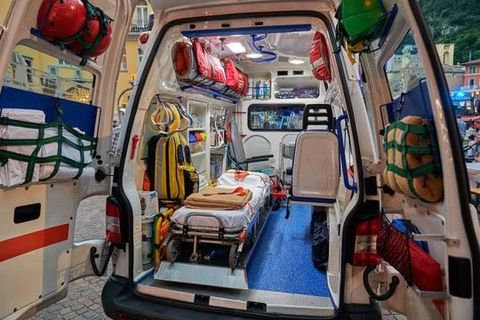
Ambulance Equipment Guide: Emergency Medical Systems, Technology, and Planning
Updated: September 09, 2026
Read More