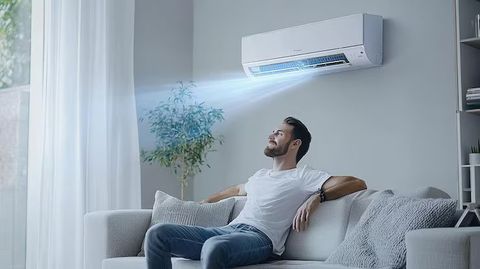
Air Conditioning Complete Guide to Modern Cooling Systems and Indoor Comfort
Maintaining a comfortable indoor environment is essential for homes, offices, healthcare facilities, educational institutions, and industrial buildings. Air Conditioning systems are designed to regulate indoor temperature, control humidity, improve air circulation, and support better indoor air quality.
Over the years, advancements in cooling technology have introduced energy-efficient compressors, smart thermostats, environmentally responsible refrigerants, and connected controls that make modern air conditioning systems more efficient and convenient than ever before.
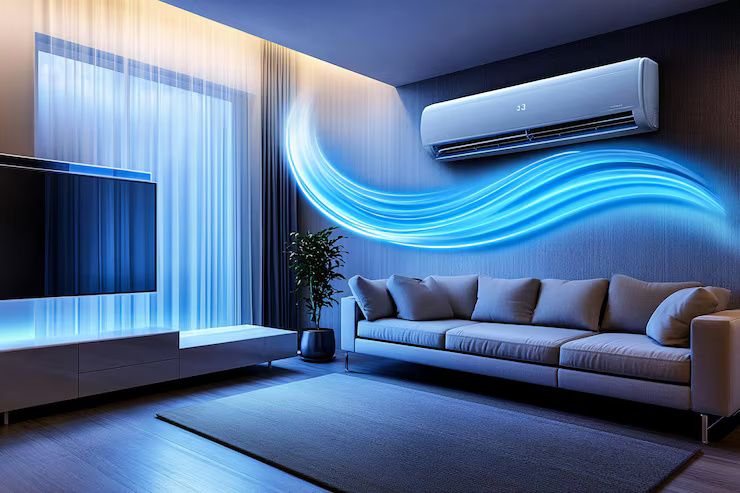
Whether installed in a residential home or a large commercial facility, an air conditioning system plays a significant role in enhancing comfort while supporting efficient energy management. Understanding how these systems work and the available technologies can help consumers and businesses make informed decisions when selecting or maintaining cooling equipment.
Note: Air conditioning system types, cooling capacities, energy efficiency ratings, refrigerants, installation requirements, and maintenance recommendations vary by manufacturer, building size, and local climate. This article is intended for general educational purposes only.
What Is Air Conditioning?
Air Conditioning is the process of controlling indoor temperature, humidity, airflow, and air quality through mechanical cooling systems. Modern air conditioners remove heat from indoor spaces and transfer it outdoors, creating a more comfortable indoor environment.
Air conditioning systems are commonly used in:
Residential homes
Office buildings
Hospitals
Schools and universities
Hotels
Retail stores
Manufacturing facilities
Data centers
Each application may require a different type of cooling system.
How Air Conditioning Works
Modern air conditioning systems operate using a refrigeration cycle.
Heat Absorption
Warm indoor air passes over an evaporator coil, where refrigerant absorbs heat from the air.
Compression
The compressor increases the pressure and temperature of the refrigerant.
Heat Release
The heated refrigerant travels to the outdoor condenser coil, where heat is released into the outside air.
Cooling Cycle
The cooled refrigerant returns indoors to repeat the process, maintaining the desired indoor temperature.
This continuous cycle provides consistent cooling while regulating humidity.
Types of Air Conditioning Systems
Different environments require different cooling solutions.
Split Air Conditioners
One of the most common residential systems, consisting of an indoor unit and an outdoor condenser.
Central Air Conditioning
Designed to cool an entire building through a network of air ducts.
Ductless Mini-Split Systems
Suitable for homes or buildings where installing ductwork is not practical.
Window Air Conditioners
Compact units designed to cool individual rooms.
Portable Air Conditioners
Movable cooling units that can be relocated as needed within a building.
Variable Refrigerant Flow (VRF) Systems
Advanced commercial systems that provide efficient temperature control across multiple zones.
Benefits of Modern Air Conditioning
Today's cooling systems offer several advantages.
Potential benefits include:
Improved indoor comfort
Better humidity control
Enhanced indoor air quality
Greater energy efficiency
Consistent temperature regulation
Reduced indoor heat during warm weather
Smart climate control features
Improved occupant productivity and comfort
Performance depends on proper installation, maintenance, and system sizing.
Key Features to Consider
When selecting an air conditioning system, several factors are important.
Consider:
Cooling capacity
Energy efficiency rating
Inverter technology
Noise level
Smart thermostat compatibility
Air filtration system
Maintenance requirements
Warranty coverage
Choosing equipment that matches the building's cooling needs supports efficient operation.
Air Conditioning Overview
| Feature | Primary Benefit |
|---|---|
| Compressor | Circulates refrigerant through the cooling cycle |
| Evaporator Coil | Absorbs indoor heat |
| Condenser Coil | Releases heat outdoors |
| Air Filter | Helps improve indoor air quality |
| Smart Thermostat | Enables automated temperature control |
| Inverter Technology | Improves energy efficiency |
Maintenance Best Practices
Regular maintenance helps maintain cooling performance and equipment lifespan.
Helpful recommendations include:
Replace or clean air filters regularly.
Keep outdoor condenser units free from debris.
Inspect refrigerant levels when recommended by qualified technicians.
Clean evaporator and condenser coils.
Check thermostat settings periodically.
Ensure air vents remain unobstructed.
Schedule professional maintenance according to manufacturer recommendations.
Monitor system performance for unusual sounds or reduced cooling.
Preventive maintenance supports reliable operation and energy efficiency.
Current Industry Trends
Cooling technology continues to evolve rapidly.
Recent developments include:
Artificial intelligence-assisted climate control
Smart home integration
Internet of Things (IoT) HVAC monitoring
Energy-efficient inverter compressors
Low-global-warming-potential refrigerants
Predictive maintenance systems
Mobile application control
Cloud-based building management platforms
These innovations help improve efficiency, convenience, and sustainability.
Looking Ahead
The future of Air Conditioning is expected to include greater automation, AI-powered energy optimization, environmentally friendly refrigerants, and deeper integration with smart buildings. As energy conservation and environmental responsibility become increasingly important, modern cooling systems will continue to evolve toward higher efficiency and improved indoor comfort.
Why Understanding Air Conditioning Matters
Understanding Air Conditioning helps homeowners, businesses, and facility managers choose systems that provide reliable cooling, efficient energy use, and improved indoor air quality. Selecting appropriate equipment and maintaining it properly contributes to long-term comfort and operational performance.
Conclusion
Air Conditioning has become an essential part of modern living, providing comfortable indoor environments across residential, commercial, healthcare, and industrial settings. Through advanced refrigeration technology, intelligent controls, improved air filtration, and energy-efficient components, today's air conditioning systems deliver reliable cooling while supporting sustainability goals. As smart technologies continue to advance, air conditioning will remain a cornerstone of comfortable, healthy, and energy-efficient buildings.

Related Post...
Discover How Industrial Blending Improves Production Consistency and Efficiency
Updated: October 23, 2026
Read More
Fabric Dyeing Machine Complete Guide to Modern Textile Processing Technology
Updated: October 20, 2026
Read More
Fabric Dyeing Machine Complete Advice to Modern Textile Processing Technology
Updated: October 12, 2026
Read More