A Complete Guide to Power Substation Equipment: Insights and Technical Details
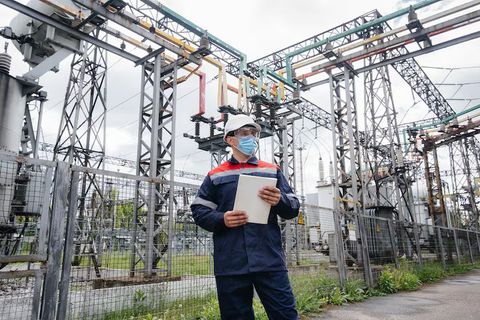
Power substation equipment plays a central role in how electricity travels from generation sources to homes, businesses, and public infrastructure. A power substation is a facility where electrical voltage is transformed, controlled, and distributed. Without these systems, it would be difficult to move electricity efficiently over long distances.
The development of substations began alongside the expansion of electrical grids in the late nineteenth and early twentieth centuries. As cities grew and industries expanded, the need for reliable voltage conversion and distribution systems became more important. Today, modern power substation equipment includes a wide range of devices designed to manage power flow safely and efficiently.
At a basic level, substations receive electricity at one voltage level and adjust it to another level using specialized equipment. This helps ensure that electricity can travel long distances with minimal loss and then be safely delivered for everyday use.
Importance
Power substation equipment is essential for maintaining a stable and reliable electrical grid. It affects nearly every aspect of daily life, from household lighting to transportation systems and communication networks. Without properly functioning substations, power interruptions could become more frequent and widespread.
One of the main challenges addressed by substation systems is energy loss during transmission. High-voltage transmission reduces loss, but electricity must be stepped down before reaching consumers. Substations handle this transition efficiently.
Another key role is safety. Electrical systems operate at very high voltages, which can be dangerous if not properly managed. Substation equipment helps regulate voltage levels, isolate faults, and prevent damage to infrastructure and connected devices.
Substations also support the integration of renewable energy sources. As solar and wind energy systems become more common, substations help manage variable power inputs and maintain grid stability.
Recent Updates
Recent developments in power substation equipment reflect the broader shift toward digitalization and smarter energy systems. Many substations are now incorporating digital monitoring tools that allow operators to track performance in real time.
Automation is becoming more common, with intelligent electronic devices replacing some traditional manual systems. These devices can detect faults, adjust settings, and communicate with central control systems without direct human intervention.
Another noticeable trend is the growth of compact and modular substations. These are designed for urban environments where space is limited. Gas-insulated substations, for example, use enclosed systems to reduce the physical footprint.
Sustainability has also influenced design changes. New materials and insulation technologies are being developed to reduce environmental impact. There is also a focus on improving energy efficiency and reducing emissions associated with electrical infrastructure.
Laws or Policies
Power substation equipment is governed by various regulations and standards to ensure safety, reliability, and environmental protection. In India, organizations such as the Central Electricity Authority (CEA) and the Bureau of Indian Standards (BIS) provide guidelines for substation design and operation.
These regulations cover areas such as equipment testing, installation procedures, and maintenance practices. They also define acceptable safety limits for electrical systems to protect workers and the public.
Environmental policies may also apply, especially for large substations. These can include requirements related to land use, noise levels, and the handling of insulating materials.
International standards, such as those developed by the International Electrotechnical Commission (IEC), are often used as references. These help ensure compatibility and consistency across different regions and systems.
Tools and Resources
Understanding and managing power substation equipment often involves the use of specialized tools and digital platforms. These resources help engineers, planners, and students analyze and design electrical systems more effectively.
Common tools include simulation software for load flow analysis, fault analysis, and system stability studies. These tools allow users to model how electricity behaves under different conditions.
There are also online calculators that help estimate parameters such as voltage drop, transformer capacity, and short-circuit levels. Educational platforms provide tutorials and technical documentation for those learning about substations.
Key types of resources include:
- Simulation tools: used to model electrical networks and predict system behavior
- Monitoring platforms: track real-time data from substation equipment
- Technical standards databases: provide access to guidelines and specifications
- Training materials: include manuals, courses, and instructional videos
Key Types of Power Substation Equipment
Power substation equipment includes several components, each with a specific role in controlling and distributing electricity.
Transformers
Transformers are one of the most important elements in a substation. They adjust voltage levels to make electricity suitable for transmission or distribution. High-voltage transformers reduce energy loss over long distances, while distribution transformers prepare electricity for local use.
Circuit Breakers
Circuit breakers are safety devices that interrupt electrical flow during faults such as short circuits or overloads. They help protect both equipment and people by isolating problem areas quickly.
Disconnect Switches
Disconnect switches are used to isolate parts of a substation for maintenance or inspection. Unlike circuit breakers, they are typically operated when the system is not under load.
Busbars
Busbars are conductive bars that distribute electricity within the substation. They connect different components and allow power to flow between circuits.
Protective Relays
Protective relays monitor electrical conditions and trigger circuit breakers when abnormal situations are detected. These devices are essential for preventing damage and maintaining system stability.
Instrument Transformers
Instrument transformers, including current transformers and voltage transformers, measure electrical parameters. They provide data for monitoring and protection systems.
Typical Substation Equipment Overview
| Equipment Type | Primary Function | Common Location |
|---|---|---|
| Transformer | Adjusts voltage levels | Transmission & distribution |
| Circuit Breaker | Interrupts fault currents | Throughout substation |
| Disconnect Switch | Isolates equipment for maintenance | Near key components |
| Busbar | Distributes electrical power | Central connection areas |
| Protective Relay | Detects faults and triggers protection | Control panels |
| Instrument Transformer | Measures voltage and current | Monitoring systems |
FAQs
What is power substation equipment and how does it work?
Power substation equipment includes devices that manage the flow of electricity within a substation. These devices adjust voltage levels, monitor system conditions, and protect the network from faults. Together, they ensure electricity is delivered safely and efficiently.
Why are transformers important in power substations?
Transformers are essential because they allow electricity to be transmitted at high voltages and then converted to lower voltages for safe use. This reduces energy loss and supports efficient distribution.
What are the main types of power substation equipment?
The main types include transformers, circuit breakers, disconnect switches, busbars, protective relays, and instrument transformers. Each component performs a specific role in controlling and protecting the electrical system.
How does power substation equipment improve safety?
Safety is improved through devices such as circuit breakers and protective relays, which detect and isolate faults. This prevents damage to equipment and reduces risks associated with high-voltage systems.
Are modern power substations different from older ones?
Yes, modern substations often use digital monitoring systems, automation, and compact designs. These improvements help increase efficiency, reduce space requirements, and support advanced grid management.
Conclusion
Power substation equipment is a foundational part of modern electrical systems, enabling efficient transmission and safe distribution of electricity. Each component, from transformers to protective relays, plays a specific role in maintaining grid stability. Recent developments highlight a shift toward smarter, more compact, and environmentally conscious systems. Understanding these systems helps explain how electricity reliably reaches everyday environments.

Related Post...
Explore Autoclaves: A Complete Guide to Their Functions and Safety Basics
Updated: July 04, 2026
Read More
Diamond Turning: A Guide to Equipment, Applications and Key Features
Updated: September 11, 2026
Read More