The concept of flow measurement has developed alongside advancements in engineering and fluid systems. Early methods relied on simple observation, while modern flow measurement devices use advanced sensing technologies to provide accurate readings. Today, flowmeters are essential tools in managing water supply, fuel systems, chemical processes, and many other applications.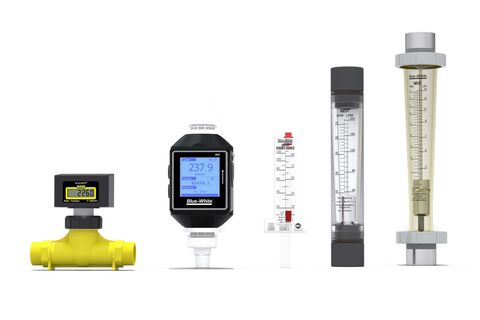
Understanding flowmeters and how flowmeters work helps explain their role in maintaining consistency, safety, and efficiency in systems that rely on controlled fluid movement.
Importance
Flowmeters are important because they provide accurate data about how fluids move within a system. This information is essential for maintaining balance, preventing waste, and ensuring proper operation.
Flow measurement devices are used by a wide range of users, including households, industries, and infrastructure systems. For example, water systems rely on liquid flowmeters to monitor supply, while industrial processes depend on precise measurements to maintain quality.
The importance of flowmeter applications can be seen in several areas. First, efficiency improvement helps reduce unnecessary usage of resources. Second, safety monitoring ensures that systems operate within acceptable limits. Third, process control allows consistent output in manufacturing and processing environments.
Without proper flow measurement, systems may experience inefficiencies, imbalances, or operational issues that affect performance.
Types of Flowmeters
There are several types of flowmeters, each designed to measure flow using different principles. Understanding these types of flowmeters helps in selecting the appropriate device for specific applications.
Mechanical Flowmeters
Mechanical flowmeters use moving parts to measure flow. These include turbine and positive displacement meters.
- Common in water and fuel systems
- Suitable for steady flow conditions
- Relatively simple in design
Electromagnetic Flowmeters
These flowmeters measure flow using electromagnetic principles. They are often used for conductive liquids.
- No moving parts
- Suitable for liquid flowmeters in water and wastewater systems
- Provide consistent readings
Ultrasonic Flowmeters
Ultrasonic flowmeters use sound waves to measure flow rate.
- Suitable for both liquid and gas flowmeters
- Often used in large pipelines
- Can measure flow without direct contact
Thermal Flowmeters
Thermal flowmeters measure flow based on heat transfer.
- Common in gas flowmeters
- Useful for low-flow conditions
- Provide accurate readings for gases
Digital Flowmeters
Digital flowmeters integrate sensors with electronic systems to display real-time data.
- Easy to monitor and record data
- Often used in industrial flowmeters
- Support automation and system integration
How Flowmeters Work
Understanding how flowmeters work involves recognizing the basic principles used to measure fluid movement.
Measurement Principles
Different flow measurement devices use different techniques:
- Velocity-based measurement calculates flow based on fluid speed
- Displacement-based measurement tracks the volume of fluid passing through
- Mass flow measurement determines the mass of fluid moving through the system
Each method is suited for specific types of flowmeter applications.
Key Components
Most flowmeters include:
- Sensor or measuring element
- Signal processing unit
- Display or output system
These components work together to detect flow, process the data, and present the results in a usable format.
Flowmeter Applications
Flowmeter applications are found in many areas where fluid movement needs to be monitored and controlled.
Industrial Use
Industrial flowmeters are used in manufacturing, chemical processing, and energy systems.
- Monitor production processes
- Ensure consistency in output
- Support system safety
Water Management
Liquid flowmeters are commonly used in water supply and treatment systems.
- Measure water distribution
- Detect leaks or irregularities
- Support efficient usage
Gas Systems
Gas flowmeters are used in systems that handle air, fuel, or other gases.
- Monitor gas consumption
- Maintain system balance
- Ensure proper operation
Household Applications
Flowmeters are also used in everyday systems such as water meters and heating systems.
- Track usage levels
- Support efficient resource management
Comparison of Common Flowmeter Types
| Type | Measurement Method | Suitable For | Key Feature |
|---|---|---|---|
| Mechanical | Moving parts | Liquids | Simple structure |
| Electromagnetic | Magnetic field | Conductive liquids | No moving parts |
| Ultrasonic | Sound waves | Liquids and gases | Non-contact measurement |
| Thermal | Heat transfer | Gases | High sensitivity |
| Digital | Electronic sensors | Multiple applications | Real-time monitoring |
Recent Updates
Flowmeters have seen advancements in digital integration and smart monitoring. Many modern digital flowmeters now include connectivity features that allow real-time data tracking and remote monitoring.
Automation is also influencing flowmeter applications. Systems are increasingly designed to adjust flow based on real-time data, improving efficiency and reducing manual intervention.
Another trend is the focus on compact and energy-efficient designs. Newer flow measurement devices are being developed to operate with lower power consumption while maintaining accuracy.
Laws or Policies
Flowmeters are subject to regulations that ensure accurate measurement and safe operation, especially in industrial and public utility systems.
Measurement Standards
Flow measurement devices must comply with calibration and accuracy standards defined by regulatory bodies. This ensures reliable readings across applications.
Environmental Regulations
Flowmeter applications in water and gas systems may be regulated to ensure responsible usage and monitoring of resources.
Industrial Compliance
Industrial flowmeters must meet safety and operational guidelines, particularly in sectors involving chemicals or energy systems.
These regulations help maintain consistency and reliability in flow measurement across different industries.
Tools and Resources
Several tools and resources support the use and understanding of flowmeters.
Flow Calculation Tools
Digital calculators help estimate flow rate, pressure, and volume based on system parameters.
Monitoring Systems
Smart monitoring platforms allow real-time tracking of flow data and system performance.
Technical Documentation
Manuals and guides explain installation, operation, and maintenance of flow measurement devices.
Training Materials
Educational resources provide information about types of flowmeters and their applications.
FAQs
What are flowmeters used for?
Flowmeters are used to measure the rate of liquid or gas movement in a system, helping monitor and control flow.
What are the main types of flowmeters?
The main types of flowmeters include mechanical, electromagnetic, ultrasonic, thermal, and digital flowmeters.
How flowmeters work in simple terms?
Flowmeters work by detecting fluid movement using different methods such as speed, volume, or mass, and converting it into measurable data.
What are common flowmeter applications?
Flowmeter applications include industrial processes, water management systems, gas monitoring, and household usage.
How to choose the right flowmeter?
A flowmeter selection guide typically considers factors such as fluid type, flow rate, system conditions, and required accuracy.
Conclusion
Flowmeters are essential tools for measuring and managing fluid movement in various systems. Different types of flowmeters use different principles to provide accurate data for liquids and gases. Understanding how flowmeters work and their applications helps in selecting suitable devices for specific needs. As technology advances, flow measurement devices continue to improve in efficiency, accuracy, and usability.