Will Planning Guide: Estate Documents, Family Decisions, Legal Requirements, and Planning Insights
A will is a legal document that can provide instructions concerning the distribution of certain property after a person's death.
Will planning can also address important family and administrative matters, including the selection of an executor, guardianship provisions for minor children where permitted, charitable intentions, and instructions for handling specific assets.
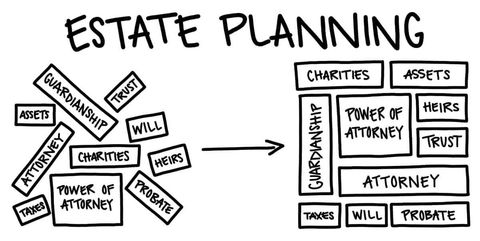
A will is generally only one part of a broader estate plan. Depending on the individual's circumstances, trusts, beneficiary designations, powers of attorney, healthcare documents, and other arrangements may also be relevant.
What Is a Will?
A will, sometimes called a last will and testament, is a legal document that generally takes effect after death.
Depending on applicable state law and the contents of the document, a will may address:
Property distribution
Beneficiary designations
Executor selection
Guardianship nominations for minor children
Specific gifts
Charitable bequests
Instructions concerning certain personal property
Distribution of remaining estate assets
The exact legal effect of a will depends on the jurisdiction and the document's language.
Why Will Planning Matters
Creating a clear will can help organize decisions that may otherwise need to be addressed through applicable default inheritance rules.
Will planning can be particularly relevant when a person has:
Children
A spouse or domestic partner
Significant property
Business interests
Investment accounts
Real estate
Charitable intentions
Multiple beneficiaries
Blended-family circumstances
Special family considerations
A will can also provide a framework for communicating important estate-planning decisions to family members and the person responsible for estate administration.
Testator, Executor, and Beneficiaries
Several important roles appear in will planning.
Testator
The testator is the person who creates the will.
Executor
The executor is the person appointed or otherwise authorized to administer the estate according to the will and applicable law.
Depending on the jurisdiction, an executor may need to:
Locate estate documents
Identify assets
Notify relevant parties
Address debts and expenses
File required documents
Manage estate property
Coordinate tax matters
Distribute assets
Maintain records
Beneficiaries
Beneficiaries are the individuals or organizations designated to receive property or other benefits under the will.
Choosing an Executor
Choosing an executor is an important practical decision.
Potential considerations include:
Reliability
Organizational ability
Financial responsibility
Geographic location
Willingness to serve
Relationship with beneficiaries
Ability to work with professional advisors
Potential conflicts of interest
An executor may need to manage substantial administrative responsibilities, so the person selected should understand the role before agreeing to serve.
Some estates may use a professional fiduciary or other qualified representative where permitted.
Beneficiary Planning
A will can identify beneficiaries and establish how certain assets should be distributed.
Planning may involve:
Spouses
Children
Grandchildren
Other relatives
Friends
Charitable organizations
Trusts
Other designated recipients
Beneficiary planning can become more complicated when families include prior marriages, stepchildren, minor children, or beneficiaries with different financial circumstances.
Clear documentation can help reduce uncertainty about the intended distribution of estate assets.
Specific Gifts and Residual Assets
A will can distinguish between specific gifts and the remaining estate.
A specific bequest identifies a particular asset or amount intended for a particular beneficiary.
The residuary estate generally refers to property remaining after applicable debts, expenses, and specific distributions have been addressed.
A will should clearly describe how the remaining estate is intended to be distributed.
Guardianship for Minor Children
Parents can generally use estate documents to nominate individuals they would prefer to serve as guardians for minor children, subject to applicable law and court procedures.
Planning considerations may include:
Proposed guardian
Alternate guardian
Relationship with the children
Geographic location
Family circumstances
Financial arrangements
Childcare preferences
Educational considerations
A guardianship nomination does not necessarily guarantee a particular court outcome. Applicable law and the child's circumstances remain relevant.
Wills and Probate
A will generally does not automatically avoid probate.
In many jurisdictions, a will is submitted to the appropriate probate court when required, allowing the estate to be administered under court procedures.
Probate can involve:
Validating the will
Appointing an executor
Identifying estate property
Addressing creditor claims
Paying applicable expenses
Resolving disputes
Distributing remaining assets
Some assets may transfer outside probate through mechanisms such as:
Joint ownership
Beneficiary designations
Transfer-on-death arrangements
Payable-on-death arrangements
Properly funded trusts
The applicable rules vary by state and asset type.
Will vs. Living Trust
A will and a living trust can serve different functions.
| Consideration | Will | Living Trust |
|---|---|---|
| Created during lifetime | Yes | Yes |
| Takes effect after death | Generally | Can operate during lifetime |
| Names beneficiaries | Yes | Yes |
| Can nominate guardians | Generally | Generally not the primary mechanism |
| Can hold assets during lifetime | No | Yes |
| Probate implications | Often relevant | May reduce probate for properly funded assets |
| Incapacity planning | Limited | Can provide a management framework for trust assets |
Some estate plans use both documents.
A pour-over will can also be coordinated with a revocable living trust to address certain assets that remain outside the trust.
Wills and Beneficiary Designations
Some assets transfer according to beneficiary designations rather than the terms of a will.
Examples may include:
Retirement accounts
Life insurance
Certain financial accounts
Transfer-on-death accounts
This means a will should not automatically be assumed to control every asset.
Beneficiary designations should be reviewed alongside the will to reduce inconsistencies between the documents.
Digital Assets and Online Accounts
Modern estate planning may also need to address digital property.
Potential digital assets include:
Online financial accounts
Digital photographs
Cloud storage
Websites
Domain names
Digital business records
Online subscriptions
Cryptocurrency or other digital assets
Access and transfer rules can vary by platform and jurisdiction.
Estate planning may therefore include appropriate instructions concerning digital accounts while protecting passwords and other sensitive credentials.
Business Interests and Wills
Business owners may need to coordinate their wills with business documents.
Relevant documents can include:
Operating agreements
Shareholder agreements
Partnership agreements
Buy-sell agreements
Business succession plans
Ownership records
A will cannot necessarily override contractual restrictions or transfer provisions contained in business agreements.
Business owners should review these documents together when planning ownership transitions.
Estate Taxes and Wills
A will does not automatically eliminate estate-tax obligations.
Estate-tax treatment can depend on:
Estate value
Asset ownership
Transfers during life
Trust structures
Beneficiary relationships
Federal tax rules
State estate or inheritance taxes
Applicable deductions and exclusions
Individuals with significant estates may need coordinated legal and tax planning rather than relying on a will alone.
Updating a Will
A will should be reviewed when significant circumstances change.
Common reasons for review can include:
Marriage
Divorce
Birth or adoption
Death of a beneficiary
Death or incapacity of an executor
Major property changes
Business ownership changes
Relocation to another state
Changes in tax law
Significant changes in family relationships
The appropriate process for changing a will depends on applicable state law. Informal handwritten changes or modifications that do not satisfy legal requirements may create complications.
Common Will-Planning Mistakes
Potential problems include:
Failing to sign the will correctly
Using outdated documents
Forgetting to update beneficiaries
Naming an unavailable executor
Failing to address significant assets
Ignoring business-transfer restrictions
Not coordinating the will with trusts
Overlooking digital assets
Failing to review the plan after major life events
Assuming a will controls assets that pass by beneficiary designation
Professional review can help identify inconsistencies between different estate documents.
Will Planning Checklist
Before creating or reviewing a will, consider:
Identify major assets
Identify intended beneficiaries
Select a potential executor
Select an alternate executor
Consider guardianship nominations where applicable
Review real-estate ownership
Review business interests
Review retirement-account beneficiaries
Review life-insurance beneficiaries
Consider digital assets
Review existing trusts
Consider charitable intentions
Review state-specific execution requirements
Coordinate related estate documents
Revisit the will after major life changes
Tools and Resources
Useful estate-planning resources can include:
Current will and estate documents
Property deeds
Financial-account statements
Retirement-account records
Life-insurance records
Business ownership documents
Beneficiary-designation forms
Trust agreements
Digital-asset inventories
State probate court resources
State government estate-planning information
Qualified estate-planning attorneys
Tax professionals
Financial and fiduciary professionals
Frequently Asked Questions
1. What is the purpose of a will?
A will provides legally relevant instructions concerning certain property and estate matters after death, subject to applicable state law.
2. Does a will avoid probate?
Generally, a will does not automatically avoid probate. In many jurisdictions, the will is submitted during the probate process when required.
3. Does a will control every asset?
No. Certain assets may transfer through beneficiary designations, joint ownership, trusts, or other mechanisms outside the will.
4. Who should be named as an executor?
An executor should generally be someone who is trustworthy, organized, capable of handling administrative responsibilities, and willing to serve. The appropriate choice depends on the individual's circumstances and state law.
5. When should a will be updated?
A will should generally be reviewed after significant family, financial, property, business, or legal changes and when relevant laws change.
Conclusion
Will planning provides a structured way to document important estate decisions concerning beneficiaries, property, executor responsibilities, family considerations, and other matters.
A complete estate plan may involve more than a will. Trusts, beneficiary designations, business agreements, powers of attorney, healthcare documents, and asset records may all need to work together.
Because will requirements and inheritance rules vary by jurisdiction, significant estate-planning decisions should be based on current state law and guidance from appropriately qualified legal and tax professionals.

Related Post...

Custody Planning Guide: Parenting Arrangements, Legal Processes, Court Information, and Useful Insights
Updated: September 28, 2026
Read More
Legal Separation Guide: Financial Planning, Property Matters, Court Procedures, and Legal Insights
Updated: September 30, 2026
Read More