VPlayed OTT Platform Provider: Complete Guide to Launching Your Streaming Business
The digital entertainment industry has experienced significant growth as audiences increasingly consume content through online platforms. Movies, television programs, educational content, live events, sports broadcasts, and independent productions are now commonly delivered through streaming technology.
As a result, many organizations and content creators are exploring ways to launch their own streaming platforms.
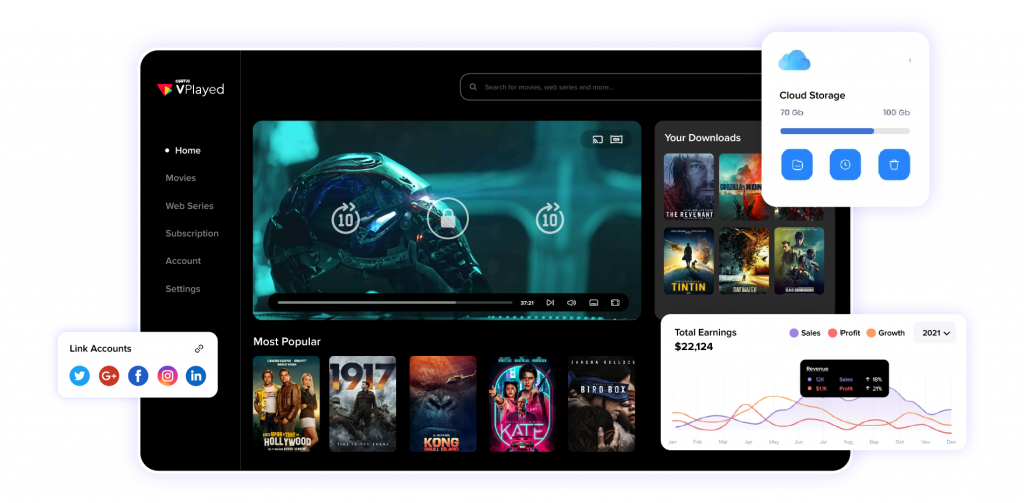
One name that often appears in discussions about video streaming technology is VPlayed OTT Platform. It is associated with over-the-top (OTT) content delivery, allowing businesses and organizations to distribute video content directly to audiences through internet-connected devices.
This guide explains the basics of OTT platforms, how streaming businesses operate, and how the VPlayed OTT Platform fits into the growing digital media ecosystem.
Understanding OTT Platforms
OTT stands for Over-The-Top, a term used to describe content delivered through the internet rather than traditional cable or satellite television networks.
OTT platforms allow viewers to access content through:
Smartphones
Tablets
Smart TVs
Laptops
Desktop computers
Streaming devices
Instead of relying on traditional broadcasting methods, content is delivered directly through internet connections.
Examples of OTT content categories include:
Movies
Television series
Educational programs
Live events
Sports content
Music performances
Corporate training videos
The rapid growth of internet connectivity has helped expand OTT adoption worldwide.
Why OTT Platforms Have Become Important
Consumer viewing habits have changed significantly over the last decade.
Many viewers now prefer:
On-demand access
Flexible viewing schedules
Mobile accessibility
Personalized content experiences
OTT platforms address these preferences by providing content whenever and wherever audiences choose to watch.
For content creators and media organizations, OTT platforms create opportunities to distribute content directly to viewers without relying exclusively on traditional broadcasting channels.
What Is the VPlayed OTT Platform?
The VPlayed OTT Platform is associated with video streaming infrastructure that supports content distribution across multiple devices and viewing environments.
The platform is designed to help organizations manage video content, deliver streaming experiences, and support audience engagement through digital channels.
OTT platforms like VPlayed typically include tools that assist with:
Content management
Video delivery
User management
Mobile accessibility
Analytics
Security controls
These capabilities help organizations organize and distribute video content efficiently.
Key Components of an OTT Streaming Business
Launching a streaming platform involves several important elements.
Content Library
Content is often the foundation of any OTT platform.
Examples include:
Entertainment programming
Educational videos
Corporate training materials
Sports broadcasts
Event recordings
A well-organized content library helps viewers find relevant material easily.
Video Management
Video management systems help administrators upload, categorize, and organize content.
Proper organization improves user experience and platform navigation.
Content Delivery Infrastructure
Streaming platforms require technology capable of delivering video smoothly across different devices and internet conditions.
Reliable content delivery supports consistent viewing experiences.
User Access Management
Many OTT platforms include account management systems that help organize viewer access and permissions.
Analytics and Reporting
Performance data can provide insights into audience behavior and content engagement.
Analytics may include information related to:
Viewing trends
Watch duration
Audience activity
Device usage
These insights help organizations understand viewer preferences.
Benefits of Launching an OTT Platform
Many organizations explore OTT technology because it provides several potential advantages.
Direct Audience Reach
OTT platforms allow organizations to distribute content directly to viewers through digital channels.
Multi-Device Accessibility
Viewers can often access content from various devices, improving convenience and flexibility.
Global Availability
Internet-based delivery allows content to reach audiences across different regions.
Flexible Content Distribution
Organizations can distribute:
On-demand videos
Live streams
Educational materials
Event broadcasts
Data Insights
Analytics tools help organizations better understand audience engagement and viewing patterns.
These benefits contribute to the growing popularity of OTT platforms across multiple industries.
Features Commonly Found in OTT Platforms
Modern OTT platforms often include a range of technical capabilities.
Video Streaming Technology
Streaming infrastructure supports content delivery to viewers.
Content Categorization
Organized content libraries help users navigate available content.
Mobile Applications
Many OTT platforms support viewing through dedicated mobile applications.
Smart TV Compatibility
Compatibility with smart televisions expands viewing options.
Search Functionality
Search tools help users quickly locate specific content.
Security Features
Content protection technologies help manage access and reduce unauthorized distribution.
These features contribute to a more user-friendly viewing experience.
Industries Using OTT Platforms
OTT technology is used across many industries beyond entertainment.
Media and Entertainment
Streaming platforms distribute movies, television programs, and digital content.
Education
Educational institutions use video platforms for online learning and training.
Corporate Training
Organizations use video libraries to support employee development and internal communication.
Sports Broadcasting
Sports organizations distribute live events and recorded content to fans.
Religious and Community Organizations
Many groups use OTT platforms to share events, educational content, and community programs.
This versatility has expanded the role of OTT technology in modern communication.
Challenges in Launching a Streaming Platform
Launching an OTT platform involves several considerations.
Content Management
Large content libraries require organization and maintenance.
Audience Engagement
Attracting and retaining viewers requires consistent content planning.
Streaming Performance
Video quality and playback reliability are important factors for viewer satisfaction.
Security Requirements
Content protection measures help manage access and intellectual property concerns.
Technical Maintenance
Streaming platforms require ongoing updates and performance monitoring.
Addressing these challenges supports smoother platform operations.
Technology Trends Shaping OTT Platforms
Streaming technology continues to evolve.
Several trends are influencing the future of OTT platforms.
Artificial Intelligence
AI tools can help organize content and improve user experiences.
Personalized Recommendations
Modern platforms increasingly provide content suggestions based on viewing activity.
Improved Video Quality
Advancements support higher-resolution streaming experiences.
Interactive Content
Some platforms are exploring interactive features that increase audience engagement.
Cloud-Based Infrastructure
Cloud technology supports scalable content storage and distribution.
These developments continue to influence how streaming platforms operate.
Planning an OTT Platform Launch
Organizations considering a streaming platform often evaluate several factors.
Define Content Goals
Understanding the purpose of the platform helps guide development decisions.
Identify Target Audiences
Knowing audience preferences can influence content strategy and platform design.
Select Appropriate Features
Feature selection depends on content type, audience size, and business objectives.
Focus on User Experience
Simple navigation and reliable playback contribute to viewer satisfaction.
Monitor Performance
Analytics help track audience engagement and platform effectiveness.
Careful planning can support long-term platform growth and operational stability.
The Future of Streaming Businesses
The streaming industry continues to expand as internet connectivity improves worldwide.
Future developments may include:
More advanced personalization
Improved mobile viewing experiences
Expanded interactive features
Enhanced content discovery tools
Greater integration with connected devices
As audiences continue consuming digital content across multiple platforms, OTT technology is expected to remain an important part of the media landscape.
Conclusion
The VPlayed OTT Platform represents one example of how organizations can participate in the growing world of digital streaming. By supporting video distribution, content management, audience engagement, and multi-device accessibility, OTT platforms help connect content creators with viewers through internet-based delivery.
Whether used for entertainment, education, corporate communication, or live events, OTT technology continues to shape how people access and consume content. As streaming technology evolves, platforms like VPlayed contribute to the ongoing transformation of digital media and online viewing experiences.

Related Post...
Discover How Video Marketing Helps Brands Connect with Modern Audiences
Updated: September 19, 2026
Read More
Skydo International Transaction Tool Guide for Global Business Payments
Updated: October 03, 2026
Read More
Explore How Connected TV Ads Improve Audience Reach on Streaming Platforms
Updated: September 24, 2026
Read More