Vermicelli Making Machines: A Guide to Production Methods, Extrusion Technology, Drying Systems and Quality Control
Vermicelli making machines are used to produce thin, noodle-like strands from wheat, rice, and other suitable grain-based ingredients.
These machines combine dough preparation, mechanical shaping, cutting, drying, and packaging to create products with consistent dimensions and cooking characteristics. The equipment varies according to the recipe, production volume, strand shape, and whether the vermicelli is intended to be sold fresh or dried. Understanding the machinery helps explain how traditional food preparation has developed into organised industrial production.
Understanding Vermicelli Production
What Are Vermicelli Making Machines?
Vermicelli making machines are food-processing systems that transform prepared dough into thin strands. Depending on the design, a machine may use a screw extruder, a mechanical press, or another shaping mechanism to push dough through small openings in a die. The strands are then cut, handled, and dried when required.
A small production setup may use separate machines for mixing, shaping, and drying. Larger facilities can connect these stages through conveyors and automated controls, allowing the product to move through a planned sequence with less manual handling.
Ingredients and Traditional Methods
Vermicelli has a long history in different food cultures, with recipes varying by region. Wheat semolina, refined wheat flour, and rice flour are among the ingredients used, although the exact formulation depends on the local product and intended cooking method.
Traditional production often relied on hand-operated presses and simple drying arrangements. Mechanised equipment introduced more controlled shaping, repeatable strand dimensions, and more organised handling between production stages.
Main Types of Vermicelli Making Machines
The equipment used depends on the ingredient mixture and the method of shaping.
Screw extrusion machines: A rotating screw moves dough towards a die, where it emerges as thin strands.
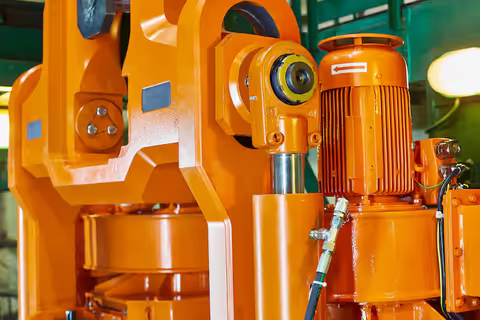
Mechanical or hydraulic press machines: Pressure forces prepared dough through openings in a shaping plate.
Dough mixers: These combine flour and water to create a consistent mixture for shaping.
Cutting systems: Blades or other cutting mechanisms divide strands into the required lengths.
Drying systems: Controlled airflow and temperature remove moisture from freshly shaped vermicelli.
Integrated production lines: Connected machines coordinate several stages, from mixing to final packaging.
Not every machine can process every type of flour or dough. Ingredient properties, die dimensions, moisture levels, and equipment specifications must work together.
How the Production Process Works
Dough Preparation and Mixing
Production begins with measuring the ingredients and mixing them with water. The required moisture level depends on the flour, formulation, and shaping method. A mixture that is too dry may crumble or produce broken strands, while excessive moisture may cause sticking or deformation.
Mixing equipment helps distribute water throughout the flour. Some formulations also require a resting period before shaping so that moisture can become more evenly distributed through the dough.
Extrusion and Strand Formation
Extrusion technology is central to many vermicelli production systems. Prepared dough enters a chamber and is pushed through a die containing small openings. The size and shape of these openings influence the strand diameter and cross-sectional form.
The pressure required depends on dough consistency, machine design, and die configuration. Operators may need to adjust feed rate or other settings when changing ingredients or strand dimensions.
Cutting and Product Handling
After extrusion, continuous strands are cut into predetermined lengths. Cutting systems may be manually adjusted or linked to the machine's operating speed. Consistent cutting helps create uniform portions and makes drying, weighing, and packaging easier to manage.
Fresh vermicelli can be delicate, so transfer equipment needs to minimise stretching, tangling, and breakage. Depending on the product, strands may be arranged on trays, formed into bundles, or placed on conveyors before drying.
Drying Systems and Moisture Reduction
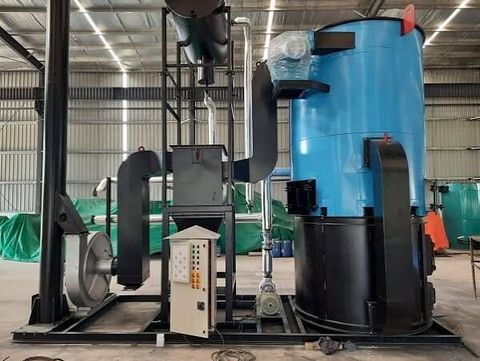
Drying removes moisture from freshly shaped vermicelli to support the required texture and storage characteristics. Common systems include cabinet dryers, tray dryers, tunnel dryers, and continuous conveyor dryers.
Drying conditions must be controlled carefully. If the surface dries too rapidly while moisture remains inside, the strands may crack or become brittle. Air temperature, humidity, circulation, product loading, and drying duration all influence the result.
The table below outlines the roles of major production stages.
| Production stage | Main equipment | Main purpose |
|---|---|---|
| Ingredient preparation | Scales, sieves, storage bins | Measure and prepare raw materials |
| Dough mixing | Flour mixer, water dosing unit | Distribute moisture through the mixture |
| Strand formation | Extruder or press | Shape dough through a die |
| Cutting | Blade or cutting assembly | Create defined strand lengths |
| Drying | Tray, cabinet, or tunnel dryer | Reduce product moisture |
| Cooling | Cooling racks or conveyors | Bring product towards packing conditions |
| Packaging | Weigher, filling and sealing machine | Protect and portion the finished product |
Why Machine Design and Quality Control Matter
Consistent Shape and Cooking Behaviour
Vermicelli should have dimensions and texture appropriate to its intended use. Uneven strands may dry at different rates or cook inconsistently. Flour characteristics, dough hydration, die condition, and machine settings can all contribute to these differences.
Quality checks may include strand diameter, length, appearance, breakage, cooking time, and texture after preparation. The relevant criteria depend on the product specification and local food requirements.
Moisture and Storage Stability
Moisture control is important for dried vermicelli because excessive residual moisture or moisture absorption during storage can affect product quality. Drying should therefore be followed by suitable checks rather than judged by appearance alone.
Moisture analysers, weighing methods, and other appropriate testing instruments can help operators monitor the finished product. The acceptable moisture range depends on the formulation, applicable requirements, and intended storage conditions.
Maintenance and Sanitation
Flour residues and dough can collect around mixing blades, extrusion dies, cutting equipment, and conveyor surfaces. Regular cleaning helps reduce contamination risks and prevents old residues from affecting later batches.
Maintenance tasks may include inspecting die openings, checking cutting blades, examining belts, and following the manufacturer's procedures for moving components. Equipment should be isolated according to appropriate safety procedures before cleaning or maintenance work.
Current Developments in Vermicelli Manufacturing
Automation and Digital Controls
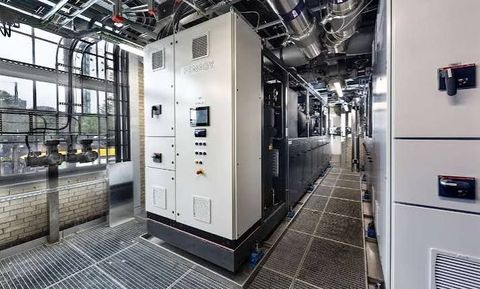
Food-processing equipment continues to incorporate programmable logic controllers, variable-speed drives, and digital monitoring systems. In vermicelli production, these technologies may coordinate dough feeding, extrusion, cutting, conveyor movement, and drying conditions.
The degree of automation differs between machines. Some systems automate only strand formation, while others connect several stages and display operating information through a central control panel.
More Controlled Drying
Modern drying systems increasingly focus on managing airflow, temperature distribution, and moisture removal across the product. Multiple drying zones can allow conditions to change gradually as vermicelli moves through the dryer.
Monitoring instruments can help operators identify uneven conditions, although product testing remains important. Actual drying performance depends on the dryer design, load size, incoming moisture, and surrounding humidity.
Flexible Product Formats
Some machines support interchangeable dies or adjustable cutting systems for different strand sizes and lengths. This can allow a production line to handle several vermicelli formats when the ingredients and equipment are compatible.
Changing the product may also require different dough preparation and drying settings. A change in strand diameter, for example, can affect how quickly moisture moves out of the product.
Resource and Waste Management
Manufacturers are also examining energy use, raw-material losses, and cleaning procedures. Accurate ingredient measurement and controlled feeding may reduce waste caused by inconsistent dough preparation or repeated adjustments.
Dryers can account for a substantial part of the energy used in a production line, depending on the equipment arrangement. Energy monitoring and suitable insulation can help facilities understand how operating conditions affect consumption.
Food Safety Rules and Manufacturing Responsibilities
Indian Food Regulations
In India, vermicelli manufacturing falls under applicable provisions of the Food Safety and Standards Act, 2006, and related regulations administered by the Food Safety and Standards Authority of India (FSSAI). Food businesses must determine the appropriate registration or licensing category and follow relevant requirements for hygiene, production, storage, and labelling.
Packaged products may need declarations covering ingredients, allergens, nutritional information, net quantity, batch identification, date markings, and manufacturer details. Exact requirements depend on the product and the rules in force.
Allergen and Hygiene Controls
Wheat-based vermicelli contains gluten, which is relevant to people with coeliac disease or certain dietary restrictions. Facilities handling multiple ingredients should consider separation, cleaning, and controls against unintended allergen cross-contact.
Food-contact surfaces should be suitable for their intended use and capable of being cleaned properly. Written sanitation procedures can cover mixers, dies, cutting units, conveyors, drying trays, and packaging equipment.
Workplace and Environmental Considerations
Vermicelli production may involve rotating machinery, electrical equipment, heated dryers, flour dust, and manual handling. Guards, emergency stops, suitable ventilation, and operating procedures help address workplace hazards.
Facilities should also consider cleaning wastewater, flour residues, packaging waste, and energy consumption. Applicable workplace and environmental requirements depend on the facility's location and scale.
Tools and Resources for Production Planning
Instruments for Process Monitoring
Common instruments include weighing scales, moisture analysers, temperature probes, timers, sieves, and dimensional gauges. Packaging areas may use checkweighers and seal inspection equipment to verify selected product characteristics.
The choice of instruments should match the production process. Measurements are more useful when operators follow consistent methods and maintain records for comparison.
Production and Maintenance Records
A production worksheet can record flour batches, ingredient quantities, mixing duration, die dimensions, extrusion settings, dryer conditions, moisture results, and packaging checks. Maintenance logs can document cleaning, inspections, worn components, and equipment interruptions.
For technical and regulatory information, relevant resources include FSSAI food safety guidance, Bureau of Indian Standards publications, Ministry of Food Processing Industries material, and the equipment manufacturer's operating manual. These resources address different needs, from regulatory requirements to machine-specific procedures.
Frequently Asked Questions
How do vermicelli making machines work?
They shape prepared dough through a die or press, cut the strands to the required length, and transfer them for drying when needed. The finished product is then checked and packaged.
What ingredients are used in vermicelli production?
Common ingredients include wheat flour, semolina, rice flour, and water. The formulation depends on the product type and the processing method.
Why is extrusion technology important in vermicelli making machines?
Extrusion forms dough into thin strands through openings in a die. Dough moisture, pressure, die dimensions, and feed consistency influence the shape and uniformity of the strands.
Which drying systems are used for vermicelli?
Common options include tray dryers, cabinet dryers, tunnel dryers, and continuous conveyor dryers. The selection depends on production volume, product format, available space, and required process control.
How is vermicelli quality checked?
Checks may include strand dimensions, breakage, appearance, final moisture, cooking behaviour, and packaging condition. The specific checks depend on the product specification and applicable food safety requirements.
Final Thoughts on Vermicelli Manufacturing
Vermicelli making machines combine ingredient preparation, dough shaping, cutting, drying, and packaging into a coordinated manufacturing process. Extrusion settings and flour characteristics influence strand formation, while drying conditions and moisture control affect product stability and texture. Automation and digital monitoring are increasingly used to coordinate production stages, but sanitation, maintenance, and quality checks remain essential. In India, manufacturers must also account for applicable food safety, allergen, labelling, and workplace requirements.

Related Post...
MALDI-TOF Mass Spectrometry: Insights Into Ionization, Mass Analysis and Molecular Identification
Updated: October 05, 2026
Read More