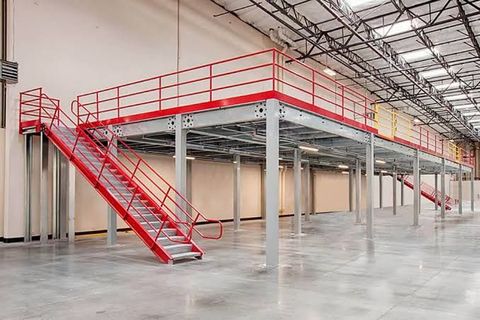
At its core, the concept involves businesses using physical spaces—such as offices, warehouses, retail outlets, or mixed-use units—on a rental basis rather than owning them. This approach allows organizations to adjust quickly to market changes without long-term commitments tied to ownership.
The idea of rental properties for enterprises emerged from the need to reduce fixed obligations while maintaining operational flexibility. As cities grow and industries evolve, businesses increasingly seek spaces that align with their scale, location preferences, and functional requirements.
Importance
The growing reliance on rental properties is closely linked to how modern enterprises operate. Flexibility has become a central requirement, especially for startups, small businesses, and companies entering new markets.
One key reason this topic matters is its ability to address common challenges. For example, enterprises often face uncertainty in demand, workforce size, or geographic reach. Rental properties allow them to adjust space usage without major structural commitments.
Another important aspect is accessibility. Businesses in different sectors—such as retail, logistics, and technology—can access spaces in prime or emerging locations that may otherwise be difficult to manage through ownership.
Key ways rental properties support enterprises include:
- Flexibility in scaling operations, where companies can expand or reduce space as needed
- Location adaptability, enabling presence in multiple regions without permanent infrastructure
- Resource management, helping allocate funds toward core activities rather than long-term assets
These benefits are especially relevant in urban areas where land availability is limited and business environments change rapidly.
Recent Updates
From 2024 to 2026, the landscape of rental properties for enterprises has continued to evolve. Several trends highlight how businesses are adapting to new conditions.
One noticeable trend is the rise of hybrid workspaces. Many organizations now combine remote work with physical office spaces, leading to increased demand for flexible office rentals and shared environments. This has influenced the design and availability of commercial rental properties.
Another development is the growth of logistics and warehousing spaces. With the expansion of online commerce, enterprises require strategically located storage and distribution centers. Rental properties in industrial zones have seen increased utilization for this purpose.
Sustainability has also become an important factor. Businesses are showing interest in properties that support energy efficiency, waste management, and environmentally conscious operations. Property owners are responding by incorporating sustainable features into rental spaces.
Digital platforms have further simplified the process of finding and managing rental properties. Enterprises can now compare locations, review property details, and handle documentation through online systems, making the process more transparent and accessible.
Laws or Policies
Rental properties for enterprises are shaped by various laws and regulations, which vary by country and region. These rules are designed to ensure fairness, safety, and clarity in agreements between property owners and tenants.
In many countries, commercial lease agreements form the legal foundation of rental property use. These agreements outline terms such as duration, responsibilities, maintenance, and usage rights. Clear documentation helps reduce misunderstandings and provides a structured framework for both parties.
Zoning regulations are another important factor. Local authorities classify land and buildings based on permitted uses, such as commercial, industrial, or residential. Enterprises must ensure that their intended activities align with these classifications.
Key regulatory aspects include:
- Lease agreements, which define the rights and responsibilities of both parties
- Zoning laws, determining how a property can be used
- Safety and compliance standards, ensuring buildings meet structural and operational requirements
- Taxation rules, which may apply to rental income and business usage
In India, for example, commercial property rentals are influenced by state-level regulations, municipal guidelines, and broader legal frameworks such as the Transfer of Property Act. Enterprises must understand these rules to operate within legal boundaries.
Tools and Resources
Managing rental properties effectively often involves using various tools and resources that simplify planning, evaluation, and administration.
Digital property platforms provide searchable databases of available spaces. These platforms typically include filters for location, size, and type of property, helping enterprises narrow down suitable options.
Financial planning tools can assist businesses in evaluating long-term commitments. These tools help compare different rental scenarios and understand how they align with operational goals.
Commonly used resources include:
- Property listing platforms, which provide detailed information about available rental spaces
- Lease agreement templates, offering standardized formats for documentation
- Space planning tools, helping visualize layouts and optimize usage
- Market analysis reports, providing insights into trends and availability
Below is a simple comparison of different types of rental properties used by enterprises:
| Property Type | Typical Use Case | Flexibility Level | Location Preference |
|---|---|---|---|
| Office Space | Administrative operations | Medium | Urban or business districts |
| Retail Units | Customer-facing activities | Medium | High footfall areas |
| Warehouses | Storage and logistics | High | Industrial zones |
| Co-working Spaces | Shared work environments | High | City centers |
| Mixed-use Properties | Combined commercial functions | Medium | Developing urban areas |
This table highlights how different property types serve distinct business needs, allowing enterprises to choose based on their operational priorities.
FAQs
What are rental properties for enterprises?
Rental properties for enterprises refer to commercial spaces used by businesses on a rental basis. These may include offices, retail outlets, warehouses, and co-working spaces that support various operational needs.
How do rental properties help business expansion?
Rental properties allow enterprises to enter new markets or expand operations without long-term ownership commitments. This makes it easier to adjust to changing business conditions and explore new locations.
Are rental properties suitable for small businesses?
Yes, rental properties are commonly used by small businesses because they provide flexibility in terms of space and duration. This approach helps manage resources while maintaining operational efficiency.
What should enterprises consider before choosing rental properties?
Enterprises typically evaluate factors such as location, space requirements, lease terms, and compliance with local regulations. Understanding these aspects helps ensure that the property aligns with business objectives.
How are rental properties regulated in commercial sectors?
Rental properties are governed by lease agreements, zoning laws, and safety standards. These regulations vary by region and define how properties can be used and maintained within legal frameworks.
Conclusion
Rental properties have become an integral part of modern enterprise strategies, offering flexibility and adaptability in a changing business environment. They help organizations manage space requirements while responding to market dynamics and operational needs. With evolving trends such as hybrid workspaces and digital platforms, the role of rental properties continues to expand. Understanding legal frameworks, available tools, and property types enables enterprises to make informed decisions. Overall, rental properties provide a structured way to align physical spaces with business goals.