The concept of biomass briquette production emerged as a response to increasing amounts of agricultural residue and the need for alternative energy sources. Materials such as sawdust, rice husk, and crop waste can be compressed into solid fuel through a structured biomass briquette process.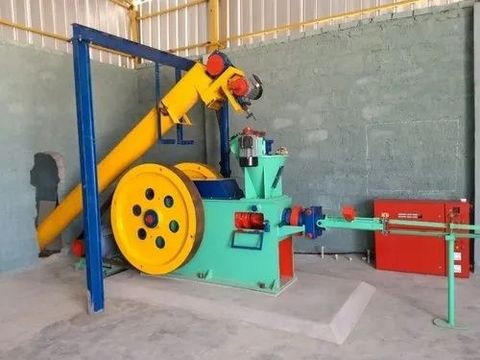
Understanding how biomass briquette machines work helps explain their role in converting loose biomass into dense, easy-to-handle fuel. These machines apply pressure and sometimes heat to bind raw materials without relying on complex chemical treatments.
Importance
Biomass briquette machines are important because they address two key challenges: waste management and energy demand. In many regions, agricultural and forestry residues accumulate without effective disposal methods. Biomass waste recycling provides a way to manage this material while creating useful energy resources.
The use of biomass fuel briquettes offers an alternative to traditional fuels. These briquettes are often easier to store and transport compared to raw biomass. This makes briquette machine uses relevant for both small-scale and industrial applications.
The importance of biomass briquette production can be understood through several factors:
- Waste reduction helps manage agricultural residue and minimize environmental impact
- Energy generation supports alternative fuel options based on renewable biomass energy
- Resource efficiency allows reuse of materials that would otherwise be discarded
- Rural applications provide additional value to agricultural by-products
These aspects highlight how briquette making machines contribute to practical and environmental solutions.
Types of Briquette Machines
Different types of briquette machines are designed based on pressure mechanisms and production methods.
Piston Press Machines
Piston-based briquette making machines use a reciprocating piston to compress biomass into solid blocks. This method produces dense briquettes suitable for various applications.
Screw Press Machines
Screw press machines use a rotating screw to compress and push biomass through a die. The process often generates heat due to friction, helping bind the material.
Hydraulic Briquette Machines
Hydraulic systems apply steady pressure to compress biomass. These machines are often used where controlled compression is required.
Roller Press Machines
Roller press machines use two rotating rollers to shape biomass into briquettes. They are commonly used for uniform production.
Biomass Briquette Machine Working
Understanding biomass briquette machine working helps explain how raw materials are transformed into usable fuel.
Raw Material Preparation
The process begins with collecting biomass such as crop residue or wood waste. The material is then dried and reduced in size to ensure consistent compression.
Compression Process
The prepared biomass is fed into the machine, where pressure is applied. This pressure compacts the material into a dense form.
Briquette Formation
The compressed biomass takes shape as briquettes through molds or dies. The shape can vary depending on the machine design.
Cooling and Storage
After formation, briquettes are cooled and stored. This step ensures that they maintain their shape and stability.
Comparison of Briquette Machine Types
| Machine Type | Compression Method | Output Shape | Typical Use Case |
|---|---|---|---|
| Piston Press | Mechanical piston | Solid cylindrical | General biomass processing |
| Screw Press | Rotating screw | Hollow cylindrical | Continuous production |
| Hydraulic | Hydraulic pressure | Uniform blocks | Controlled applications |
| Roller Press | Dual rollers | Pillow-shaped | Bulk production |
Briquette Machine Uses
Briquette machine uses extend across different sectors due to their flexibility in handling biomass materials.
Domestic Applications
In some settings, biomass fuel briquettes are used for cooking and heating. They provide a compact form of fuel that is easier to handle than loose biomass.
Industrial Applications
Industries use briquettes in boilers and heating systems. Biomass briquette machines support consistent fuel production for such applications.
Agricultural Applications
Farmers can use biomass briquette production to manage crop waste. This reduces the need for open burning and supports biomass waste recycling.
Environmental Applications
Briquette machines contribute to reducing waste and promoting renewable biomass energy. They help convert organic residue into usable fuel instead of leaving it unused.
Recent Updates
Recent trends in biomass briquette machines focus on improving efficiency and automation. Modern machines are designed to handle different types of biomass with minimal adjustments.
There is also increasing interest in integrating briquette making machines with renewable energy systems. For example, combining biomass processing with solar-powered operations is being explored in some areas.
Digital monitoring systems are becoming more common, allowing operators to track performance and optimize biomass briquette production. These developments reflect a shift toward more efficient and adaptable technologies.
Laws or Policies
Biomass briquette production is influenced by environmental and energy-related policies, especially in countries like India.
Environmental Regulations
Policies often discourage open burning of agricultural waste. Biomass waste recycling through briquette machines is considered an alternative approach.
Renewable Energy Programs
Government initiatives promoting renewable biomass energy support the use of biomass briquette machines as part of sustainable energy strategies.
Industrial Compliance
Briquette production units may need to follow guidelines related to emissions, safety, and material handling.
These policies aim to balance energy needs with environmental protection.
Tools and Resources
Several tools and resources help in understanding and managing biomass briquette machines.
Design and Calculation Tools
- Tools for estimating biomass input and briquette output
- Energy efficiency calculators for production planning
Monitoring Systems
- Sensors for tracking temperature and pressure
- Digital interfaces for performance monitoring
Training Materials
- Manuals explaining biomass briquette machine working
- Guides on handling different types of biomass
Research Resources
- Publications on renewable biomass energy
- Technical documents on briquette machine uses
These resources support better understanding and efficient operation.
FAQs
What are biomass briquette machines used for?
Biomass briquette machines are used to convert agricultural and organic waste into compact fuel briquettes for energy use.
How does biomass briquette machine working process function?
The biomass briquette machine working process involves preparing raw material, compressing it under pressure, forming briquettes, and cooling them for storage.
What are the main types of briquette machines?
The main types of briquette machines include piston press, screw press, hydraulic, and roller press machines.
What materials are used in biomass briquette production?
Biomass briquette production uses materials such as sawdust, rice husk, crop residue, and other organic waste.
Why are biomass fuel briquettes important?
Biomass fuel briquettes are important because they support renewable biomass energy and help in biomass waste recycling.
Conclusion
Biomass briquette machines provide a structured method for converting organic waste into usable fuel. They play a role in renewable biomass energy and help manage agricultural residue through biomass waste recycling. Understanding the types of briquette machines and the biomass briquette process offers insight into their practical applications. As technology evolves, these machines continue to adapt to changing energy and environmental needs.