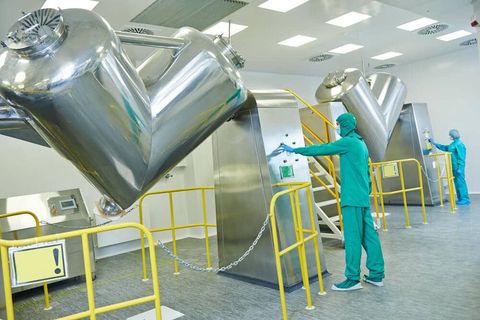
Heavy-duty shredders were created to handle materials that standard machines cannot process, such as metal scraps, plastic components, wood pieces, electronic waste, textiles, and sensitive documents. Their main purpose is to improve material handling efficiency, reduce waste volume, and support recycling and disposal operations.
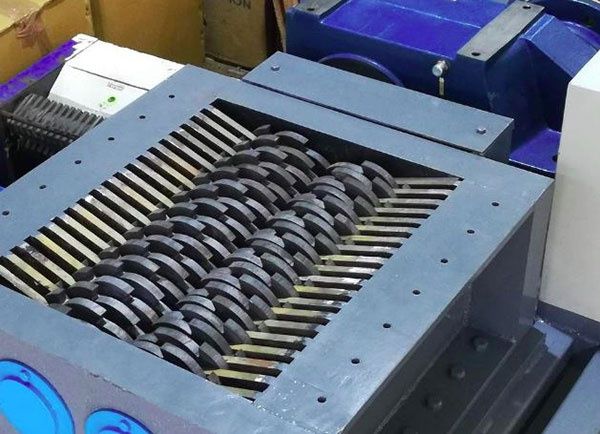
With industries moving toward sustainability and more efficient waste management, these machines have become a standard requirement across factories, warehouses, commercial facilities, and recycling plants.
Importance – Why Heavy-Duty Shredders Matter Today
Heavy-duty shredding machines play a crucial role in industrial and commercial environments. Their importance has increased due to the rise of manufacturing output, stricter waste regulations, and the need for secure disposal.
Key reasons they matter:
-
Waste Reduction: Shredders help reduce the size and volume of waste, making storage and transportation easier and more cost-efficient.
-
Recycling Support: Many materials such as plastics, cardboard, rubber, and metal must be shredded before entering the recycling process.
-
Data Security: Sensitive documents, hard drives, and electronic storage devices require shredding to prevent information leakage.
-
Operational Efficiency: Shredding materials before disposal or reuse improves workflow and reduces manual handling.
-
Environmental Compliance: Companies must comply with waste management laws, and shredders help them meet these requirements.
Industries most affected include manufacturing, logistics, e-waste processing, automotive, construction, packaging, and large commercial offices.
Recent Updates – Industry Trends and Technology Changes (2024–2025)
The heavy-duty shredding machine market has seen several technological, regulatory, and operational updates in the last year. Notable developments include:
| Trend/Update | Details |
|---|---|
| Growth in E-Waste Processing (2024) | Global e-waste volume grew rapidly, increasing the demand for shredders designed for PCBs, wires, and electronics. |
| Energy-Efficient Models (2024–2025) | Manufacturers are focusing on low-power, high-output machines using improved motor technology. |
| Automated Sorting Systems | Shredders are now paired with AI-based sensors that help segregate shredded material for recycling. |
| Noise-Reduction Technology | Factories emphasized quieter motors and insulated shred chambers. |
| High-Safety Designs Introduced | New safety features like emergency cut-off, overload protection, and automatic jam sensors became common. |
These changes reflect the industry’s movement toward sustainability, efficiency, and safer workplace operations.
Laws or Policies – Regulations Affecting Heavy-Duty Shredding Machines
The legal environment around shredding machines focuses primarily on waste management, data protection, recycling standards, and workplace safety.
Key Regulations That Impact Usage:
-
Solid Waste Management Rules (India): Industries must process and dispose of waste according to government-mandated methods. Shredding often forms the first step in compliant disposal.
-
E-Waste Management Rules: Businesses handling electronic waste must ensure proper shredding and recycling through certified channels.
-
Data Protection and Privacy Laws: For offices disposing of confidential documents or digital storage devices, secure shredding helps meet data privacy standards.
-
Environmental Pollution Control: Use of shredders must follow noise, dust, and emissions guidelines depending on the state and local regulations.
-
Occupational Health and Safety Guidelines: Workers must be protected from mechanical risks, so machines need guards, warning systems, and proper training.
Industries should always verify local rules because regulations may vary by region or waste category.
Tools and Resources – Helpful Platforms for Selection and Planning
Several online tools and resources can help buyers compare, calculate, and evaluate shredding machines before purchase:
| Tool/Resource | Purpose | Link/Type |
|---|---|---|
| Power Consumption Calculator | Helps estimate energy use and operating cost | Online engineering calculators |
| Shredding Capacity Estimator | Predicts required shredder size (kg/hour) | Industrial tools websites |
| Waste Type Identification Matrix | Matches waste materials to shredding machine types | Waste management portals |
| Government Waste Management Guidelines | Understanding compliance requirements | Local municipal sites |
| Industrial Equipment Marketplaces | Compare models, features, and technical data | Platforms like IndiaMART, TradeIndia |
These resources help in planning, evaluating machine capacity, and ensuring regulatory compliance.
FAQs – Frequently Asked Questions About Heavy-Duty Shredding Machines
1. What types of materials can heavy-duty shredders handle?
Most industrial shredders can process materials such as plastics, paper, metals, wood, rubber, textiles, e-waste, and food waste. Capabilities depend on the shredder design and blade strength.
2. How do I determine the right shredder size for my business?
Consider the type of material, daily volume, required output size, and available space. Many companies use capacity calculators or consult technical specialists.
3. Are heavy-duty shredders expensive to maintain?
Maintenance mainly involves blade sharpening or replacement, lubrication, and periodic inspection. Costs depend on usage frequency and material hardness.
4. What safety features should a good industrial shredder have?
Look for emergency stop buttons, overload protection, auto-reverse functions, blade guards, and noise-reduction features.
5. Can shredders be used for recycling operations?
Yes. Many recycling plants rely on shredders as the first step to break down materials like plastic, rubber, and metal for further separation and reprocessing.
Final Thoughts
Industrial and commercial heavy-duty shredding machines play a vital role in modern waste management, recycling, and industrial processing systems. Selecting the right shredder requires an understanding of your material type, volume, energy usage, safety requirements, and compliance obligations.
A careful evaluation helps ensure long-term performance, operational efficiency, and environmental responsibility. With evolving sustainability goals and stricter waste regulations, shredding machines will continue to be essential for industrial and commercial operations worldwide.