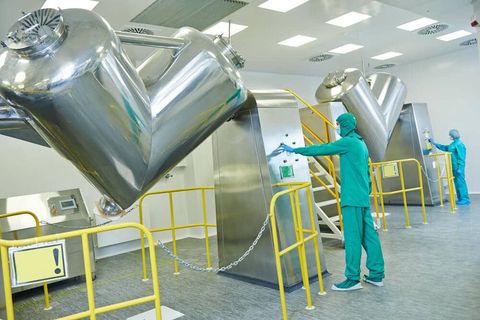
These machines exist because coal-based industries require consistent output for combustion efficiency, transportation, and storage. By reducing particle size, the machines help increase fuel efficiency, improve plant performance, and ensure safe handling. Crushing is one of the earliest steps in coal preparation, creating a foundation for further processes such as screening, washing, blending, and drying.
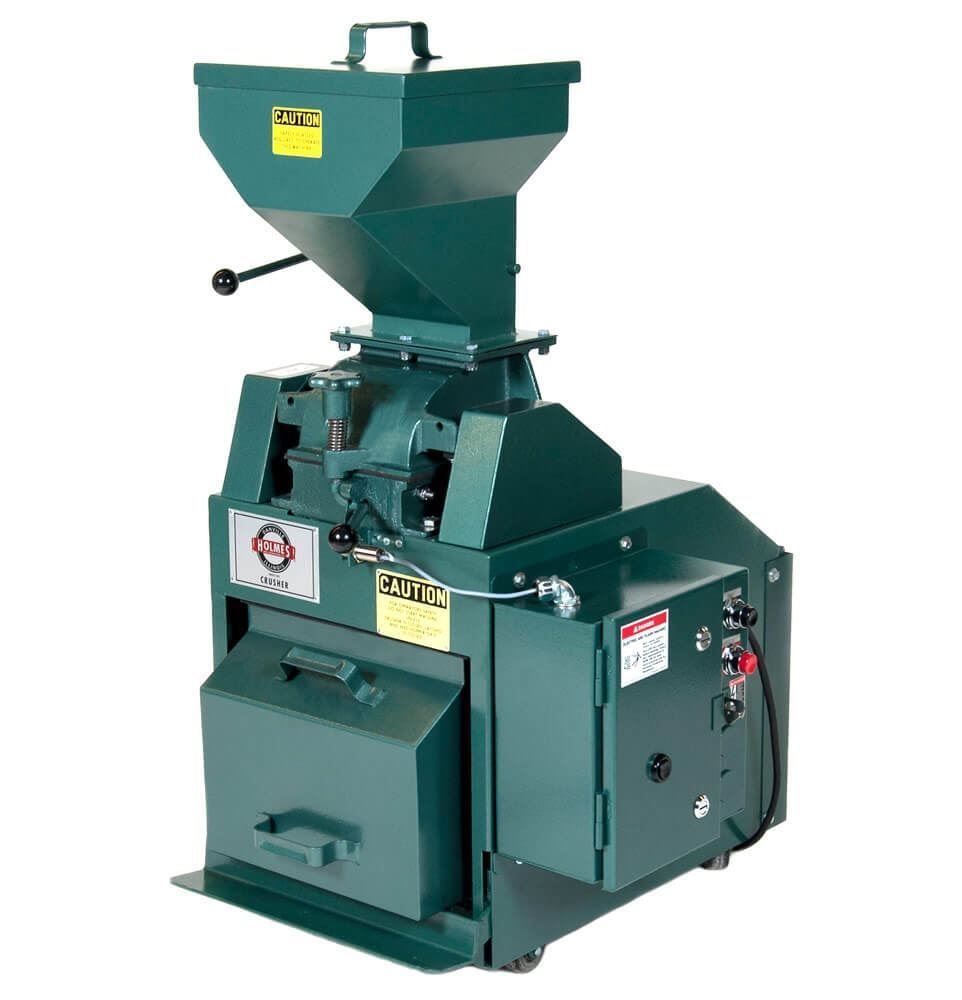
Coal crushers come in several designs, including jaw crushers, hammer mills, roll crushers, impact crushers, and cone crushers. Each type serves a different purpose based on hardness, moisture level, and desired output size. Understanding these differences helps industries select the most suitable option.
Importance – Why Coal Crushing Machines Matter Today
Coal is still a major energy source in many countries, making efficient processing essential. Coal crushing machines play a critical role in several industry areas:
Who is Affected
-
Power generation companies
-
Cement and steel manufacturers
-
Mining corporations
-
Fuel processing plants
-
Logistics and storage operators
Problems This Equipment Solves
-
Improves Combustion Efficiency: Smaller, uniform coal sizes burn more evenly, increasing energy output.
-
Reduces Waste and Material Loss: Crushing ensures better handling and prevents oversized clumps from causing blockages.
-
Enhances Transportation Efficiency: Processed coal is easier to load, unload, and store.
-
Supports Environmental Compliance: Effective crushing reduces unburnt particles, helping facilities reduce emissions.
-
Increases Operational Safety: Oversized coal lumps can damage machinery or cause accidents during transport.
Why It Matters Today
Many countries continue to depend on coal for electricity. Even those transitioning toward cleaner energy still require optimized coal systems during the shift. Efficient crushing machines help lower production cost, maintain consistent supply, and support plant operations.
Recent Updates – Trends and Developments in Coal Crushing (2024–2025)
Coal processing technology has seen steady evolution, particularly with digital monitoring and energy-efficient designs. Significant updates include:
1. Automated Monitoring Systems (2024)
Manufacturers are integrating digital sensors to track machine load, vibration, temperature, and output size. These updates help reduce downtime and improve reliability.
2. Focus on Energy Efficiency (2024–2025)
Modern coal crushers are being redesigned to require less energy per ton of crushed coal. This supports global efforts to reduce operational energy waste.
3. Improved Wear-Resistant Materials (Mid-2024)
Advancements in manufacturing have led to stronger alloys and ceramics for crushing components. These improvements extend the life of hammers, rollers, and plates.
4. Dust Control Enhancements (Late 2024)
Updated systems are incorporating better dust suppression features to meet stricter air quality rules. This includes misting attachments and sealed conveyors.
5. Modular Crushing Systems (2025 Trend)
Modular crushers allow facilities to quickly scale capacity based on demand. They are easier to install and relocate, especially for mobile mining operations.
The combination of these trends supports industries seeking safer, cleaner, and more efficient coal processing solutions.
Laws or Policies – Regulations Affecting Coal Crushing
Coal crushing is influenced by environmental, safety, and energy policies in many countries. These rules help ensure that coal handling does not impact public health or ecosystems.
Typical Policy Areas Impacting Coal Crushing Operations
1. Air Quality Regulations
Government agencies often require industries to control particulate matter during coal crushing. Common standards include:
-
Dust suppression systems
-
Enclosed machines
-
Regular air pollution monitoring
2. Worker Safety Regulations
Mining and industrial plants follow safety guidelines such as:
-
Mandatory training
-
Protective equipment
-
Regular inspections of crushing equipment
Many countries follow OSHA-style regulations for industrial machinery.
3. Environmental Compliance
Industries may need to follow:
-
Emission limits
-
Waste handling requirements
-
Noise control standards
These policies influence the type of crusher selected and the level of automation required.
4. Energy Efficiency Standards
Power plants and industrial manufacturers often follow rules encouraging lower energy consumption. Machines with higher efficiency can support compliance efforts.
Tools and Resources – Helpful Solutions Related to Coal Crushing
Several tools, software platforms, and services support industries in selecting and maintaining coal crushing machines.
Useful Tools and Resources
-
Maintenance Scheduling Apps: Tools like Fiix or UpKeep help monitor crusher maintenance cycles.
-
Vibration Monitoring Software: Systems such as SKF Pulse detect early signs of equipment wear.
-
Coal Size Analyzers: Online particle size measuring tools ensure consistent output.
-
Material Hardness Calculators: Online calculators help determine appropriate crusher type based on coal hardness.
-
Dust Control System Providers: Companies offering misting nozzles, enclosure systems, and filtration units.
-
Energy Consumption Analyzers: These tools measure energy usage to optimize machine performance.
-
Training Guides and Industrial Safety Courses: Many industrial organizations provide safety standards for coal crushing environments.
Sample Comparison Table – Common Crusher Types
| Crusher Type | Best For | Advantages | Limitations |
|---|---|---|---|
| Jaw Crusher | Hard coal and large chunks | Simple design, powerful crushing | Not ideal for very fine output |
| Hammer Mill | Soft to medium coal | Produces fine output, fast crushing | Higher wear on hammers |
| Roll Crusher | Medium-hard coal | Uniform size output, low dust | Not suitable for very hard materials |
| Cone Crusher | Hard or abrasive coal | High throughput, durable | More complex maintenance |
| Impact Crusher | Medium to hard coal | Good for shaping and sizing | Can create high dust without control |
This table helps highlight how different machines support different coal processing requirements.
FAQs – Common Questions About Coal Crushing Machines
1. What factors determine the type of coal crusher needed?
Coal hardness, moisture content, required output size, production volume, and operating environment are key factors. Facilities choose crushers based on material properties and performance goals.
2. How often should a coal crusher be maintained?
Most machines require preventive maintenance every few weeks, depending on usage. Components like hammers, liners, and rolls may need more frequent inspection in high-volume plants.
3. Can coal crushers reduce dust emissions?
Yes. Many modern crushers include sealed chambers, dust suppression sprays, and cleaner discharge systems to reduce airborne particles and support air quality compliance.
4. What size coal can most crushers handle?
Crusher capacity varies widely. Some jaw crushers handle lumps over 1 meter, while hammer mills typically process smaller, medium-sized coal pieces.
5. Are energy-efficient coal crushers available?
Yes. Newer models use improved motors, stronger materials, and optimized designs to reduce energy consumption per ton of crushed material.
Final Thoughts
Choosing the right coal crushing machine is essential for maintaining efficient, safe, and environmentally responsible operations. With the expansion of digital monitoring, better wear-resistant components, and modular designs, industries now have access to more reliable and efficient systems. Understanding coal characteristics, operational needs, and regulatory requirements helps companies select suitable equipment and maintain consistent output quality. As technology continues to evolve, coal processing will likely become cleaner, more efficient, and easier to manage for both small facilities and large industrial operations.