The need for tube bending machines developed as industries required precise and repeatable methods for shaping metal without damaging its structure. Instead of cutting and joining multiple pieces, bending allows a single tube to be formed into complex shapes. This approach improves efficiency and reduces material usage.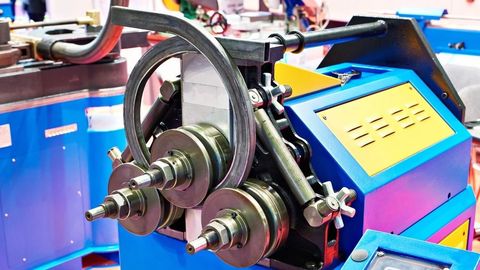
Today, the tube bending process is used in a variety of applications, from simple household items to complex industrial systems. Understanding how these machines work helps explain their role in modern production environments.
Importance
Tube bending machines are important because they enable accurate shaping of metal tubes used in many everyday and industrial applications. These machines help create components that are strong, consistent, and suitable for different structural needs.
The importance of tube bending machines can be understood across several areas. In construction, bent tubes are used in frameworks and support systems. In transportation, metal tube bending is used for exhaust systems, fuel lines, and structural parts. In manufacturing, industrial bending machines support large-scale production processes.
These machines also help solve practical challenges. By using a controlled tube bending process, manufacturers can reduce waste, maintain uniformity, and improve product durability. This makes them an essential part of modern fabrication systems.
Types of Tube Bending Machines
There are different types of tube bending machines, each designed for specific applications and levels of complexity.
Manual Tube Bender
A manual tube bender is operated by hand and is commonly used for simple bending tasks.
- Suitable for small-scale work
- Requires physical effort
- Used in basic repair and fabrication tasks
Hydraulic Tube Bending Machines
These machines use hydraulic pressure to bend tubes.
- Provide greater force than manual systems
- Suitable for thicker materials
- Common in workshops and medium-scale operations
CNC Tube Bending Machines
CNC tube bending machines use computer control to automate the bending process.
- High precision and repeatability
- Used in industrial bending machines
- Suitable for complex shapes and large production volumes
Electric Tube Bending Machines
Electric machines use motor-driven systems for bending.
- Offer controlled and consistent movement
- Suitable for both small and medium applications
Tube Bending Process
The tube bending process involves shaping a tube without compromising its strength or structure.
Basic Working Principle
Understanding how tube bending machines work involves a few key steps:
- The tube is placed into the machine
- A bending die applies force to shape the tube
- The tube is bent to the required angle
- The final shape is checked for accuracy
This process ensures that the tube maintains its structural integrity while achieving the desired form.
Common Tube Bending Techniques
Different tube bending techniques are used depending on the material and application:
- Rotary draw bending is used for precise and smooth bends
- Compression bending is used for simpler shapes
- Roll bending is used for large-radius curves
- Mandrel bending supports the tube internally to prevent deformation
Each method is part of the broader metal tube bending approach used in different industries.
Comparison of Tube Bending Machine Types
| Machine Type | Operation Method | Application Level | Precision Level |
|---|---|---|---|
| Manual Tube Bender | Hand-operated | Small-scale | Low to medium |
| Hydraulic Machine | Fluid pressure | Medium-scale | Medium |
| CNC Tube Bending Machine | Computer-controlled | Industrial use | High |
| Electric Machine | Motor-driven | Mixed applications | Medium to high |
Recent Updates
Recent developments in tube bending machines focus on automation, precision, and efficiency. CNC tube bending machines are becoming more advanced with improved programming capabilities and real-time monitoring systems.
There is also a growing use of digital design integration. Machines can now work directly with design software, allowing accurate replication of complex shapes. This reduces manual adjustments and improves consistency.
Another trend is the focus on energy efficiency and reduced material waste. Modern industrial bending machines are designed to optimize resource usage while maintaining performance.
Laws or Policies
Tube bending machines are subject to safety and operational regulations, especially in industrial environments.
Safety Standards
- Machines must meet equipment safety guidelines
- Operators are required to follow safe handling practices
- Protective measures are necessary during operation
Workplace Regulations
- Industrial setups must comply with occupational safety rules
- Proper training is required for machine operation
- Regular inspections help ensure safe usage
Environmental Considerations
- Waste management practices must be followed
- Noise and energy usage may be regulated
These policies help ensure that tube bending machines are used responsibly and safely.
Tools and Resources
Several tools and resources support the effective use of tube bending machines.
Design Software
Software tools help create accurate bending designs and simulate the tube forming process before production.
Measurement Tools
Devices such as angle gauges and calipers help ensure precision during the tube bending process.
Maintenance Checklists
Routine inspection templates help maintain machine performance and prevent operational issues.
Training Materials
Educational resources explain tube bending techniques and safe handling practices.
These tools help improve efficiency and understanding of industrial bending machines.
FAQs
What are tube bending machines used for?
Tube bending machines are used to shape metal tubes into specific angles and forms for construction, automotive, and manufacturing applications.
What are the types of tube bending machines?
The main types of tube bending machines include manual tube benders, hydraulic machines, CNC tube bending machines, and electric systems.
How does the tube bending process work?
The tube bending process involves applying force to a tube using a machine and shaping it to a required angle while maintaining its strength.
What is the difference between pipe bending machine and tube bending machine?
A pipe bending machine is generally used for thicker materials and fluid transport systems, while tube bending machines are often used for precision applications and thinner materials.
Why are CNC tube bending machines used in industries?
CNC tube bending machines are used because they provide high precision, repeatability, and efficiency in large-scale production.
Conclusion
Tube bending machines are essential tools in modern manufacturing and fabrication. They enable accurate shaping of metal tubes for a wide range of applications. Different types of tube bending machines serve different needs, from simple manual tasks to advanced industrial processes. Understanding the tube bending process and techniques helps explain their importance in creating reliable and efficient components.