Trekking & Hiking Tours Insights: Planning, Types, and Benefits
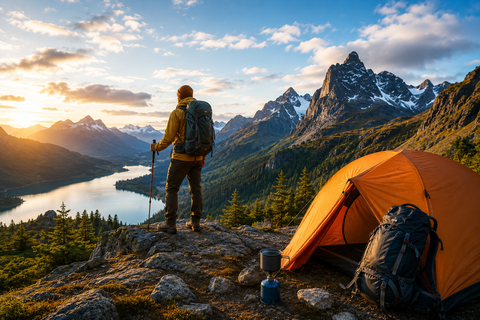
Trekking and hiking tours have become increasingly popular among travelers seeking outdoor experiences, physical activity, and deeper connections with nature.
These guided or self-guided journeys take participants through mountains, forests, deserts, coastal trails, and other natural landscapes while offering opportunities to explore scenic environments and local cultures.
As interest in sustainable tourism and outdoor recreation continues to grow, trekking and hiking tours play an important role in adventure travel. They provide structured ways to access remote locations, improve physical fitness, develop outdoor skills, and experience destinations beyond traditional sightseeing routes.
Understanding how trekking and hiking tours work, their various types, planning considerations, and safety practices can help travelers choose experiences that align with their abilities and goals.
Quick Overview
| Aspect | Overview |
|---|---|
| Activity Type | Outdoor walking and exploration |
| Duration | Few hours to several weeks |
| Terrain | Mountains, forests, deserts, valleys, coastal routes |
| Difficulty Levels | Beginner to advanced |
| Common Participants | Solo travelers, families, groups, enthusiasts |
| Main Goals | Recreation, adventure, fitness, exploration |
| Key Benefits | Physical activity, nature exposure, cultural experiences |
| Planning Factors | Fitness, weather, equipment, route difficulty |
| Tour Formats | Guided, self-guided, group, private |
| Popular Regions | Mountain ranges, national parks, wilderness areas |
Industry Overview
The trekking and hiking tourism sector is a significant part of the global adventure travel industry. National parks, conservation areas, mountain destinations, and nature reserves attract millions of visitors annually.
Several factors contribute to the industry's growth:
- Increased interest in outdoor recreation
- Greater awareness of wellness activities
- Expansion of eco-tourism initiatives
- Improved trail infrastructure
- Digital navigation and trip-planning tools
- Demand for experiential travel
Today, trekking and hiking tours support local economies, conservation programs, hospitality businesses, and outdoor education initiatives worldwide.
How Trekking & Hiking Tours Work
Most trekking and hiking tours follow a structured planning and execution process.
Step 1: Destination Selection
Travelers choose a destination based on:
- Landscape preferences
- Difficulty level
- Climate conditions
- Available trails
- Travel duration
Step 2: Route Planning
Tour operators or travelers evaluate:
- Distance
- Elevation gain
- Terrain conditions
- Water availability
- Safety considerations
Step 3: Equipment Preparation
Participants prepare:
- Footwear
- Clothing layers
- Navigation tools
- Hydration systems
- Emergency supplies
Step 4: Tour Execution
The journey begins with scheduled trail segments, rest stops, navigation checkpoints, and overnight accommodations when applicable.
Step 5: Completion and Recovery
Participants complete the route, assess performance, review experiences, and recover through hydration and rest.
Main Types of Trekking & Hiking Tours
Day Hiking Tours
Definition
Short outdoor excursions completed within a single day.
Features
- Limited equipment requirements
- No overnight stay
- Accessible routes
Applications
- Family outings
- Beginner experiences
- Nature exploration
Advantages
- Easy planning
- Lower physical demands
- Flexible schedules
Limitations
- Limited geographic coverage
- Shorter immersion experience
Multi-Day Trekking Tours
Definition
Extended journeys spanning several days.
Features
- Overnight accommodations
- Longer routes
- Greater endurance requirements
Applications
- Mountain expeditions
- Remote wilderness exploration
Advantages
- Deeper destination experience
- Access to remote locations
Limitations
- Higher preparation requirements
- Increased physical demands
Guided Trekking Tours
Definition
Tours led by experienced guides.
Features
- Route expertise
- Local knowledge
- Organized logistics
Applications
- International travel
- Complex routes
Advantages
- Enhanced safety
- Educational experiences
Limitations
- Less schedule flexibility
Self-Guided Hiking Tours
Definition
Independent journeys using maps, GPS tools, or marked trails.
Features
- Personal pace
- Flexible itinerary
Applications
- Experienced hikers
- Independent travelers
Advantages
- Greater freedom
- Personalized experience
Limitations
- Navigation responsibility
- Increased planning needs
Expedition Trekking
Definition
Challenging, long-distance adventures in demanding environments.
Features
- High elevations
- Remote terrain
- Advanced preparation
Applications
- Mountain regions
- Wilderness expeditions
Advantages
- Unique experiences
- Personal achievement
Limitations
- Significant training requirements
Core Components of Trekking & Hiking Tours
Trail Systems
Established routes connecting natural attractions and destinations.
Navigation Tools
- GPS devices
- Digital maps
- Trail markers
- Compass systems
Safety Equipment
- First-aid kits
- Emergency communication devices
- Protective gear
Accommodation Infrastructure
- Campsites
- Mountain lodges
- Guesthouses
- Refuges
Transportation Support
- Trail transfers
- Equipment transport
- Emergency access services
Comparison Table: Hiking vs Trekking
| Feature | Hiking | Trekking |
|---|---|---|
| Duration | Hours to one day | Several days or longer |
| Difficulty | Generally moderate | Often challenging |
| Equipment | Basic gear | Specialized equipment |
| Accommodation | Usually not required | Often required |
| Terrain | Marked trails | Remote or rugged routes |
| Fitness Requirement | Moderate | Higher endurance needed |
| Planning Complexity | Relatively simple | More detailed planning |
| Navigation Needs | Limited | Often extensive |
Real-World Applications
Tourism and Hospitality
Hotels, lodges, and tourism operators develop hiking experiences to attract outdoor travelers.
Education
Schools and outdoor learning programs use hiking activities to teach environmental awareness and leadership skills.
Conservation Programs
Protected areas use trekking routes to promote responsible tourism while supporting conservation efforts.
Community Development
Local communities benefit from visitor spending associated with trekking destinations.
Wellness and Recreation
Individuals use hiking and trekking as part of active lifestyle and wellness routines.
Real-World Examples
Mountain Trail Exploration
Travelers participate in guided mountain treks that combine outdoor recreation with cultural experiences.
National Park Hiking Programs
Park authorities organize educational hikes focused on wildlife, geology, and environmental conservation.
Long-Distance Trail Networks
Multi-day routes allow hikers to explore extensive natural regions while utilizing established infrastructure.
Corporate Outdoor Activities
Organizations use guided hikes for team-building and leadership development programs.
Key Features of Trekking & Hiking Tours
Route Diversity
Trails can range from easy nature walks to demanding mountain expeditions.
Nature Immersion
Participants spend extended time in natural environments.
Physical Engagement
Walking-based activities support active participation.
Cultural Exposure
Many routes pass through villages, heritage sites, and traditional communities.
Flexible Participation Levels
Tours are available for various ages and fitness levels.
Benefits
Operational Benefits
- Structured travel experiences
- Organized route management
- Improved trip coordination
Performance Benefits
- Enhanced endurance
- Better mobility
- Increased outdoor skills
Efficiency Benefits
- Access to remote destinations
- Guided navigation support
User Benefits
- Recreation opportunities
- Nature appreciation
- Personal achievement
Long-Term Advantages
- Health-conscious lifestyles
- Environmental awareness
- Continued outdoor engagement
Challenges and Limitations
Weather Variability
Changing weather conditions can affect safety and accessibility.
Physical Demands
Some routes require significant endurance and preparation.
Terrain Risks
Steep slopes, uneven surfaces, and remote environments may present challenges.
Navigation Difficulties
Poor route planning can lead to delays or safety concerns.
Environmental Impact
Heavy visitor traffic may affect ecosystems if not managed responsibly.
Selection Factors
Before choosing a trekking or hiking tour, evaluate:
- Difficulty level
- Route length
- Elevation gain
- Seasonal conditions
- Guide availability
- Accommodation options
- Transportation logistics
- Emergency support
- Personal fitness level
- Equipment requirements
- Environmental conditions
- Group size
Standards, Safety Practices, and Best Practices
Risk Assessment
Evaluate trail conditions before departure.
Leave No Trace Principles
- Minimize environmental impact
- Respect wildlife
- Dispose of waste responsibly
Emergency Preparedness
- Carry emergency supplies
- Share itinerary information
- Understand local emergency procedures
Weather Monitoring
Review forecasts before and during the journey.
Proper Equipment Usage
Use suitable footwear, clothing, and safety gear.
Maintenance, Management, and Optimization
Trail Maintenance
Organizations maintain routes through:
- Signage updates
- Surface repairs
- Vegetation management
Personal Preparation
Travelers should:
- Maintain fitness levels
- Inspect equipment
- Practice navigation skills
Performance Optimization
- Hydrate regularly
- Pace activities appropriately
- Monitor environmental conditions
Emerging Technologies and Innovations
GPS Navigation Applications
Mobile navigation tools improve route planning and tracking.
Digital Trail Mapping
Interactive maps provide route information and safety alerts.
Wearable Technology
Fitness trackers help monitor activity levels and performance.
Environmental Monitoring Systems
Sensors assist with weather forecasting and trail condition reporting.
Data Analytics
Tour operators use data to improve visitor experiences and route management.
Future Trends
Sustainable Adventure Tourism
Growing emphasis on environmentally responsible travel practices.
Smart Trail Infrastructure
Integration of digital information systems and navigation support.
Enhanced Safety Technologies
Improved communication tools and emergency response capabilities.
Personalized Travel Experiences
Customized routes based on fitness levels and traveler interests.
Conservation-Oriented Tourism
Greater collaboration between tourism organizations and environmental programs.
Expert Insights
Trekking and hiking tours continue to serve as important components of outdoor recreation and adventure travel. Their value extends beyond physical activity, contributing to environmental awareness, cultural exchange, and sustainable tourism development.
Advances in navigation technology, safety systems, and trail management are making outdoor experiences more accessible while supporting conservation goals. As travelers increasingly seek meaningful experiences in natural environments, trekking and hiking tours are expected to remain a significant part of the global tourism landscape.
Frequently Asked Questions
1. What is the difference between trekking and hiking?
Hiking is usually a shorter walking activity completed within a day, while trekking often involves multi-day journeys through more challenging terrain.
2. Are trekking tours suitable for beginners?
Yes. Many destinations offer beginner-friendly routes with manageable distances and elevations.
3. What equipment is essential for hiking?
Proper footwear, weather-appropriate clothing, water supplies, navigation tools, and a first-aid kit are commonly recommended.
4. How should I prepare for a trekking tour?
Improve fitness, research the route, review weather conditions, and prepare necessary equipment.
5. Are guided tours safer?
Guided tours often provide route expertise, local knowledge, and structured safety procedures.
6. How important is physical fitness?
Fitness requirements vary by route difficulty, elevation, and duration.
7. What weather conditions affect trekking?
Rain, snow, extreme temperatures, strong winds, and visibility changes can impact safety.
8. Can families participate in hiking tours?
Many trails are specifically designed for families and beginner participants.
9. What is altitude acclimatization?
It is the process of adapting to higher elevations to reduce the risk of altitude-related issues.
10. How do GPS tools help hikers?
They assist with navigation, route tracking, and location awareness.
11. Why are trekking permits sometimes required?
Permits help manage visitor numbers and support conservation efforts.
12. What is sustainable trekking?
Sustainable trekking emphasizes minimizing environmental impact while supporting local communities.
13. How can hikers reduce environmental impact?
Following Leave No Trace principles and respecting local regulations are effective practices.
14. What are common trekking risks?
Weather changes, navigation errors, dehydration, and terrain-related injuries are common concerns.
15. Are trekking tours available year-round?
Availability depends on climate, trail conditions, and seasonal accessibility.
Key Takeaways
- Trekking and hiking tours are major segments of adventure tourism.
- Hiking typically involves shorter routes, while trekking often spans multiple days.
- Route planning is essential for safety and enjoyment.
- Guided and self-guided options serve different experience levels.
- Proper equipment significantly improves safety and comfort.
- Sustainable tourism practices help protect natural environments.
- Physical preparation should match route difficulty.
- Technology is improving navigation and trail management.
- Weather awareness remains a critical safety factor.
- Outdoor experiences support wellness and recreation goals.
- Conservation initiatives increasingly influence trekking tourism.
- Future growth is linked to sustainability and digital innovation.
Conclusion
Trekking and hiking tours provide valuable opportunities to explore natural environments, improve physical fitness, and experience outdoor adventure. From short day hikes to challenging multi-day expeditions, these activities accommodate a wide range of interests and skill levels. By understanding route planning, equipment needs, safety practices, and environmental responsibilities, travelers can make informed decisions and enjoy rewarding outdoor experiences. As sustainable tourism and technological innovation continue to shape the industry, trekking and hiking tours are likely to remain an important part of global travel and recreation.

Related Post...
Luxury Hotel Bookings: The Complete Guide to Premium Stays, Services, and Experiences
Updated: October 22, 2026
Read More
Villa Rental Destinations: The Complete Guide to Luxury, Family, and Eco-Friendly Escapes
Updated: October 26, 2026
Read More