The term "plumbing" comes from the Latin word plumbum, meaning lead as pipes in ancient Rome were made from lead. Today, modern plumbing uses materials like copper, PVC, and PEX and includes complex networks of valves, fixtures, pipes, and tanks.
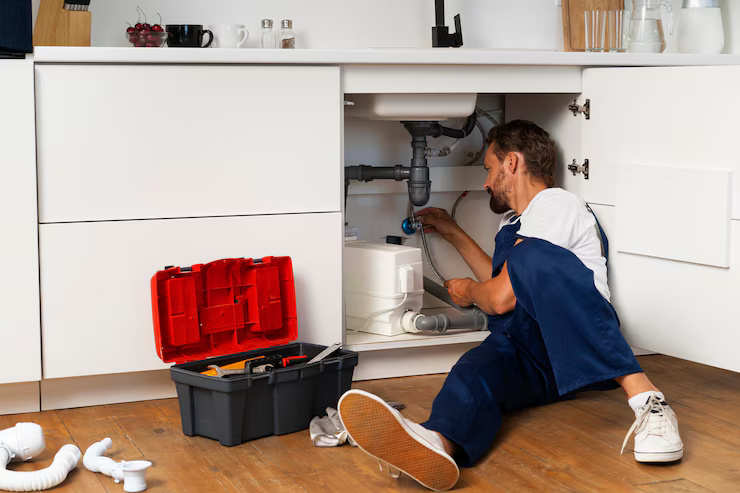
Plumbing services exist to ensure that clean water reaches where it’s needed and waste water is safely removed essential components of public health, hygiene, and daily living.
Why Plumbing Matters in Today’s World
Critical for Health and Safety
Access to clean water and proper sanitation is vital for preventing disease and maintaining hygiene. Professional plumbing systems help prevent water contamination, leaks, and backflow, all of which could pose serious health risks.
Affects Everyone
Whether you're a homeowner, tenant, business owner, or facilities manager, plumbing services play a role in your daily routine. Cooking, cleaning, bathing, heating, and waste removal all depend on efficient plumbing.
Cost and Efficiency
Poor plumbing can lead to water wastage, high utility bills, and property damage. Regular maintenance and early problem detection can save money and avoid costly repairs.
Supports Sustainability
Modern plumbing techniques support water conservation through low-flow toilets, efficient water heaters, greywater recycling systems, and leak detection technology.
Growing Demand
As urban populations increase and infrastructure ages, the need for professional plumbing services is also growing creating opportunities for jobs, apprenticeships, and eco-friendly innovations.
Recent Updates and Trends in Plumbing
The plumbing industry continues to evolve in response to environmental, technological, and societal shifts. Here are some notable changes and trends over the past year:
Smart Plumbing Systems
Smart Leak Detectors: Devices like Flo by Moen or Phyn Plus allow users to monitor water usage and detect leaks in real-time through mobile apps.
Remote Shut-Off Valves: Homeowners can now control water supply remotely, reducing damage from unexpected pipe bursts.
Eco-Friendly Upgrades
Low-Flow Fixtures: Widespread adoption of low-flow faucets and showerheads to reduce water usage.
Greywater Systems: More homes and buildings are installing greywater recycling systems to reuse water from sinks and showers for landscape irrigation or flushing toilets.
Regulation Compliance
Lead-Free Pipe Mandates: In the U.S., as of 2024, there’s increased enforcement of the Lead and Copper Rule Revision (LCRR) requiring inventory and replacement of lead service lines.
Building Code Updates: Many countries, including Australia and the UK, have updated plumbing standards to ensure compliance with water-saving and safety regulations.
Labor and Skills Shortage
Due to retirements and fewer young workers entering the trades, there's a growing demand for certified plumbers leading to expanded vocational programs and certification pathways.
Plumbing Laws and Regulations: What You Should Know
Plumbing services are subject to government rules and local building codes. These regulations ensure safety, environmental protection, and water quality compliance.
Key Areas of Regulation
| Area | Examples |
|---|---|
| Licensing and Certification | Most regions require plumbers to be licensed and trained in local codes. |
| Water Quality Standards | Ensures systems do not allow contamination of potable water. |
| Backflow Prevention | Devices are mandated to prevent dirty water from entering clean systems. |
| Fixture Efficiency Requirements | Laws may specify maximum flow rates for toilets, faucets, etc. |
| Permits for Major Work | Plumbing installations or remodeling usually require inspection and approval. |
Country-Specific Example: United States
EPA’s Safe Drinking Water Act: Regulates contaminants in public water systems.
Uniform Plumbing Code (UPC): Widely adopted for building compliance in various states.\
Local Ordinances: Cities like San Francisco and New York have strict greywater system rules.
Country-Specific Example: India
Bureau of Indian Standards (BIS): Defines plumbing codes and safety standards.
Swachh Bharat Mission: Promotes sanitation and proper plumbing in rural and urban areas.
Tools, Apps, and Resources to Know
Whether you're a homeowner seeking basic understanding or a beginner in the trade, the right tools and resources can help you navigate plumbing issues efficiently.
Digital Tools and Mobile Apps
HomeAdvisor: Helps find licensed plumbing professionals in your area.
Fixr: Offers detailed cost estimates and explanations for plumbing jobs.
Pipe Trades Pro Calculator: Calculates pipe layouts, flow rates, and angles.
Houzz: Find design ideas and contractor reviews for plumbing remodeling.
Online Learning and Guides
The Family Handyman (familyhandyman.com): DIY plumbing tutorials.
PlumbingSupply.com: Offers extensive guides on parts and maintenance.
YouTube Channels: Channels like Roger Wakefield (licensed plumber) offer beginner-friendly insights.
Maintenance and Diagnosis Tools
| Tool | Use |
|---|---|
| Pipe Wrench | Tightening or loosening pipe connections |
| Plumber’s Snake (Auger) | Clearing deep clogs from drains |
| Water Pressure Gauge | Checks home water pressure levels |
| Leak Detector | Electronic tools to find hidden leaks in walls or floors |
| Thermal Camera | Detects moisture and hot water leaks behind surfaces |
Frequently Asked Questions (FAQs)
Q1: How do I know if I need a plumber or if I can fix it myself?
A: Simple issues like a dripping tap or minor clogs can often be handled with basic tools. However, for persistent problems, visible leaks, low water pressure, or anything involving gas lines or sewage, it’s safer and more cost-effective to hire a licensed plumber.
Q2: What causes low water pressure in a house?
A: Common causes include clogged pipes, closed valves, leaking pipes, or buildup of sediment in water heaters. It’s important to identify the source before making repairs. A plumber can use pressure tests and diagnostics to pinpoint the issue.
Q3: How often should I check my plumbing system?
A: It’s recommended to do a basic inspection every 6–12 months. Look for signs of rust, mold, unusual odors, or slow drains. Water heaters should be flushed annually to prevent sediment buildup.
Q4: Are chemical drain cleaners safe to use?
A: Chemical cleaners can provide quick relief for minor clogs but may damage older pipes over time. They can also be harmful to the environment. A better approach is using a plunger, auger, or enzyme-based cleaner.
Q5: What should I do during a plumbing emergency?
A: First, shut off the main water supply to prevent flooding. Then call a licensed emergency plumber. Keep a basic plumbing emergency kit handy including a pipe wrench, towels, bucket, and duct tape to manage immediate issues.
Final Thoughts
Plumbing may seem hidden behind walls and under floors, but it’s one of the most vital systems in any building. From clean drinking water to warm showers and functioning toilets, plumbing supports health, convenience, and safety.
As the world adapts to smarter homes and sustainable living, plumbing is also evolving becoming more efficient, digital, and environmentally conscious. Whether you're tackling a DIY repair, preparing for home ownership, or considering plumbing as a profession, understanding the basics is a great place to start.