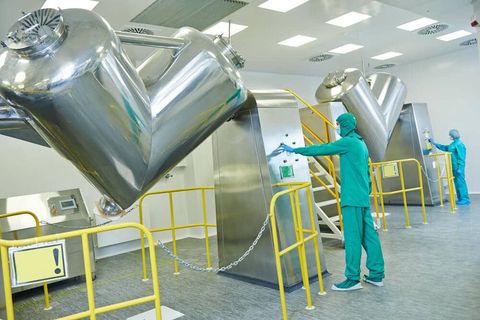
Glove boxes are used in industries such as pharmaceuticals, electronics, nuclear research, and chemical manufacturing, where temperature control is critical. Glove box cooling ensures that internal conditions remain stable, preventing damage to materials or processes from excess heat.
Temperature regulation inside glove boxes is particularly important when dealing with heat-sensitive substances, volatile chemicals, or biological samples that require consistent, cool environments.
Why Glove Box Cooling Matters
Protecting Sensitive Materials
Many operations in science and industry rely on strict temperature control:
Chemical reactions often require a narrow temperature window to proceed safely or efficiently.
Biological samples, such as cell cultures or enzymes, degrade rapidly if exposed to heat.
Semiconductor materials and electronics can be affected by thermal drift or expansion.
Radioactive materials may release heat during decay and require active cooling.
Without adequate cooling, these processes could fail, degrade product quality, or pose safety risks.
Who Benefits?
Glove box cooling systems are essential for:
Laboratories conducting controlled chemical experiments.
Pharmaceutical manufacturers handling active ingredients.
Nuclear facilities managing radioactive isotopes.
Battery developers working with lithium and other reactive metals.
Aerospace and semiconductor industries, which require ultra-precise environmental controls.
By preventing thermal buildup, cooling systems protect both personnel and product integrity.
Recent Developments and Trends (2024–2025)
1. Integration with Digital Monitoring
Recent glove box models include IoT-enabled cooling systems that allow users to monitor and adjust temperature remotely. This has become especially popular in high-security environments like nuclear labs and pharmaceutical R&D.
2. Compact Thermoelectric Coolers
The use of Peltier (thermoelectric) devices has grown. These compact systems provide silent, vibration-free cooling and are ideal for smaller glove boxes. Companies like Labconco and MBraun have released newer models featuring modular cooling units.
3. Green Cooling Technologies
With sustainability gaining importance, newer glove box cooling solutions are focusing on low-energy consumption and eco-friendly refrigerants, such as R-1234yf, to reduce environmental impact.
4. Enhanced Airflow and Recirculation Systems
To improve temperature uniformity inside glove boxes, several manufacturers have redesigned internal circulation fans and airflow channels, helping maintain more consistent internal climates.
5. Temperature Control Ranges Expanded
Modern systems now offer broader operating ranges, including sub-zero cooling for cryo-sensitive operations and stability zones for pharmaceutical testing.
Regulations, Standards, and Safety Policies
Compliance Requirements
Several safety and environmental standards affect glove box cooling systems, especially in industrial and lab environments. These include:
| Region | Regulation / Standard | Focus Area |
|---|---|---|
| United States | OSHA 29 CFR 1910 | Worker safety during chemical handling |
| Global | ISO 10648-2 | Airtightness classification for glove boxes |
| EU | REACH Regulation | Use of safe chemicals and materials |
| Global | RoHS, WEEE | Safe and sustainable electronics |
Refrigerant Use Policies
F-Gas Regulation (EU): Limits use of high-GWP refrigerants in cooling systems.
EPA SNAP Program (US): Lists approved alternatives for ozone-depleting substances.
Many facilities must now track and report refrigerant types and volumes used.
Facility-Level Safety
Organizations may also require internal policies on glove box use, such as:
Emergency shutoff systems for cooling failure.
Periodic calibration and temperature logging to ensure system accuracy.
Regular maintenance to comply with audit and inspection requirements.
Helpful Tools and Resources
Several resources are available to support glove box cooling selection, maintenance, and monitoring:
Useful Tools & Services
| Resource Type | Name / Provider | Use Case |
|---|---|---|
| Temperature Logging | HOBO Data Loggers (Onset Corp) | Records glove box temperatures |
| Cooling Unit Selector | MBraun Online Configurator | Helps choose cooling for MBraun glove boxes |
| Energy Calculator | U.S. Department of Energy (DOE) Tools | Estimate cooling system power needs |
| Monitoring Software | LabVIEW, DeltaV, SCADA platforms | Integrate glove box cooling into plant monitoring |
| Maintenance Checklists | NIST Lab Equipment Guidelines | Standardize preventive care routines |
Helpful Websites
osha.gove
pa.gov
energy.gov
nist.gov
mbraun.de
Frequently Asked Questions (FAQs)
Q1: What’s the ideal temperature for a glove box?
A: It depends on the application. For general chemical handling, glove boxes are typically maintained between 15°C to 25°C. For biological or cryo-sensitive materials, they may be cooled to below 5°C.
Q2: How do glove boxes stay cool?
A: Glove boxes can be cooled using:
Refrigeration-based systems with external chillers.
Thermoelectric (Peltier) coolers for compact units.
Chilled water loops from a central facility system.
Some systems include internal fans for air circulation to distribute cool air uniformly.
Q3: Do glove boxes always require cooling?
A: Not always. Cooling is only needed when:
The contents are heat-sensitive.
Heat is generated by internal equipment or reactions.
Ambient temperature control isn’t sufficient.
Q4: Can glove box cooling systems fail? What happens then?
A: Yes, like any mechanical system, they can fail. Consequences include:
Material degradation or spoilage.
Safety risks (especially with volatile or reactive substances).
Disruption of controlled experiments or production runs.
To prevent this, alarm systems and emergency shutoffs are often built-in.
Q5: How often should glove box cooling systems be maintained?
A: Maintenance should follow manufacturer recommendations but generally includes:
Monthly inspections of cooling performance and refrigerant levels.
Quarterly cleaning of coils and airflow components.
Annual system calibration and leak checks.
Summary Table: Glove Box Cooling Overview
| Feature | Description |
|---|---|
| Purpose | Maintain stable internal temperature |
| Main Methods | Refrigeration, thermoelectric, chilled water |
| Common Applications | Pharma, chemical labs, battery R&D, semiconductors |
| Recent Trends | IoT integration, eco-refrigerants, modular units |
| Compliance Considerations | OSHA, ISO 10648-2, EPA, EU F-Gas regulations |
| Key Tools Available | Logging apps, system calculators, remote monitors |
Final Thoughts
Glove box cooling may seem like a niche topic, but it plays a vital role in maintaining the integrity of sensitive processes across scientific and industrial settings. From chemical reactions to cutting-edge research, stable internal temperatures can mean the difference between success and failure.
In today’s data-driven and safety-focused environment, choosing the right cooling method, maintaining it diligently, and complying with environmental regulations are no longer optional—they're essential.