The main purpose of gas detectors is to alert users when toxic, flammable, or oxygen-depleted atmospheres occur, ensuring that timely actions can be taken to prevent accidents or health risks.
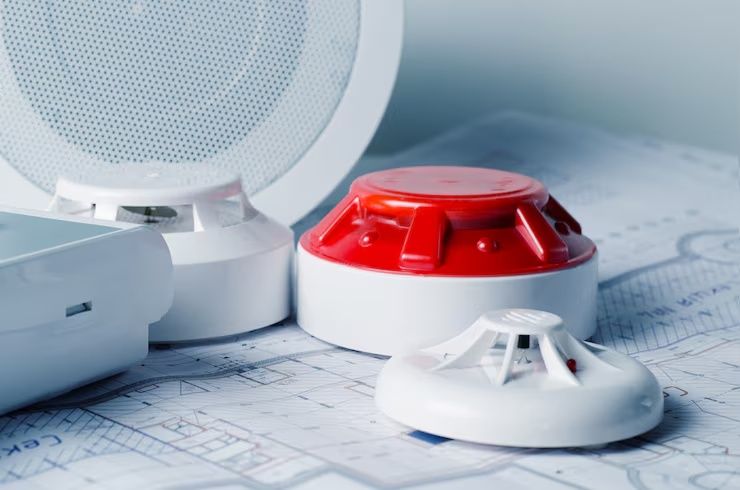
Gas detectors can be fixed (installed in one place) or portable (handheld devices). Their development came from the need to protect workers and communities from unseen dangers, as many harmful gases are odorless and invisible.
Importance
Gas detectors play a vital role in ensuring occupational and environmental safety. Their importance lies in:
-
Worker safety: Protecting employees from toxic gas exposure.
-
Accident prevention: Reducing risks of explosions, leaks, or fires caused by combustible gases.
-
Regulatory compliance: Meeting workplace safety standards required by government agencies.
-
Early warning systems: Providing real-time alerts to avoid long-term exposure to harmful substances.
-
Public health protection: In residential or public spaces, gas detectors can prevent poisoning incidents.
For industries, the cost of ignoring gas detection can be much higher than investing in reliable safety equipment.
Recent Updates
Gas detection technology has seen major updates in recent years:
-
Smart gas detectors (2023–2024): Integration with IoT and cloud platforms now allows remote monitoring and data analysis.
-
Wearable devices: Compact detectors that workers can wear for personal safety in hazardous zones.
-
Enhanced sensor accuracy: Improved electrochemical and infrared sensors have reduced false alarms.
-
AI and predictive analytics (2024): Some systems now predict potential leaks based on patterns in sensor data.
-
Green energy sector adoption: As hydrogen and renewable energy usage increases, detectors are being adapted for new gas monitoring needs.
-
Wireless connectivity: Bluetooth- and Wi-Fi-enabled detectors provide instant notifications to mobile apps.
Laws or Policies
Gas detection systems are regulated across industries to ensure safe working conditions. Some key policies include:
-
OSHA (Occupational Safety and Health Administration – U.S.): Requires employers to monitor toxic gases and provide protective equipment.
-
EPA (Environmental Protection Agency – U.S.): Enforces standards for air quality and emissions.
-
ATEX Directive (European Union): Sets requirements for equipment used in explosive atmospheres, including gas detectors.
-
ISO Standards (ISO 9001, ISO 45001): Establish guidelines for safety and quality in manufacturing gas detection equipment.
-
Indian Oil Industry Safety Directorate (OISD): Mandates gas monitoring in refineries and petrochemical plants.
-
Mining safety laws: Require gas monitoring systems in underground mines to prevent methane explosions.
Compliance with these policies is not only a legal obligation but also a critical factor in protecting lives.
Tools and Resources
Several tools and resources can support businesses and individuals in choosing or managing gas detectors:
-
Gas detection apps: Mobile apps provided by manufacturers to track sensor data in real-time.
-
Calibration kits: Tools for regularly testing and adjusting detectors for accuracy.
-
Industry databases: Websites like OSHA, NIOSH, and HSE offer guidelines on gas safety standards.
-
Online comparison platforms: Sites that review different brands and models of detectors.
-
Training modules: Online courses and tutorials for employees on gas safety protocols.
-
Cloud dashboards: Remote monitoring tools that integrate multiple detectors into one system.
FAQs
Q1: What types of gases can detectors sense?
Gas detectors can sense flammable gases (like methane, propane), toxic gases (like carbon monoxide, hydrogen sulfide), and oxygen levels (to detect depletion or enrichment).
Q2: How often should gas detectors be calibrated?
Calibration is typically recommended every 6–12 months, depending on usage and manufacturer guidelines.
Q3: What is the difference between fixed and portable gas detectors?
Fixed detectors are installed in permanent locations, often in industrial plants, while portable detectors are handheld and used by workers moving through hazardous environments.
Q4: Are gas detectors mandatory in homes?
Carbon monoxide detectors are required in many regions for residential safety, but requirements vary depending on local laws.
Q5: Can gas detectors work in extreme environments?
Yes, many industrial-grade detectors are built to withstand high humidity, dust, and temperature extremes, ensuring reliability in tough conditions.
Example Table: Comparison of Gas Detector Types
| Type of Detector | Typical Use Case | Detects Gases | Best For |
|---|---|---|---|
| Fixed Gas Detector | Industrial facilities | Multiple gases | Continuous monitoring |
| Portable Detector | Field workers, mining | CO, H2S, methane | Personal safety |
| Wearable Detector | Oil & gas, chemicals | Specific toxic gases | Individual worker protection |
| Smart Detector | Smart factories | Customizable range | Remote monitoring & analytics |
Final Thoughts
Gas detectors are critical safety devices that protect workers, businesses, and communities from invisible risks. With advancements in sensor technology, AI, and IoT, they are becoming more reliable and easier to integrate into safety systems.
For businesses, compliance with safety regulations and regular calibration ensures effective use. For individuals, especially in residential settings, gas detectors offer peace of mind and protection against harmful exposure.
The future of gas detection lies in smarter, more connected solutions that not only detect hazards but also predict and prevent them before they escalate.